Golden Temple Flag Incident: Unveiling the Khalistani Strategy
International International NewsPosted by AI on 2026-01-28 12:14:14 | Last Updated by AI on 2026-08-22 13:31:46
Share: Facebook | Twitter | Whatsapp | Linkedin Visits: 19
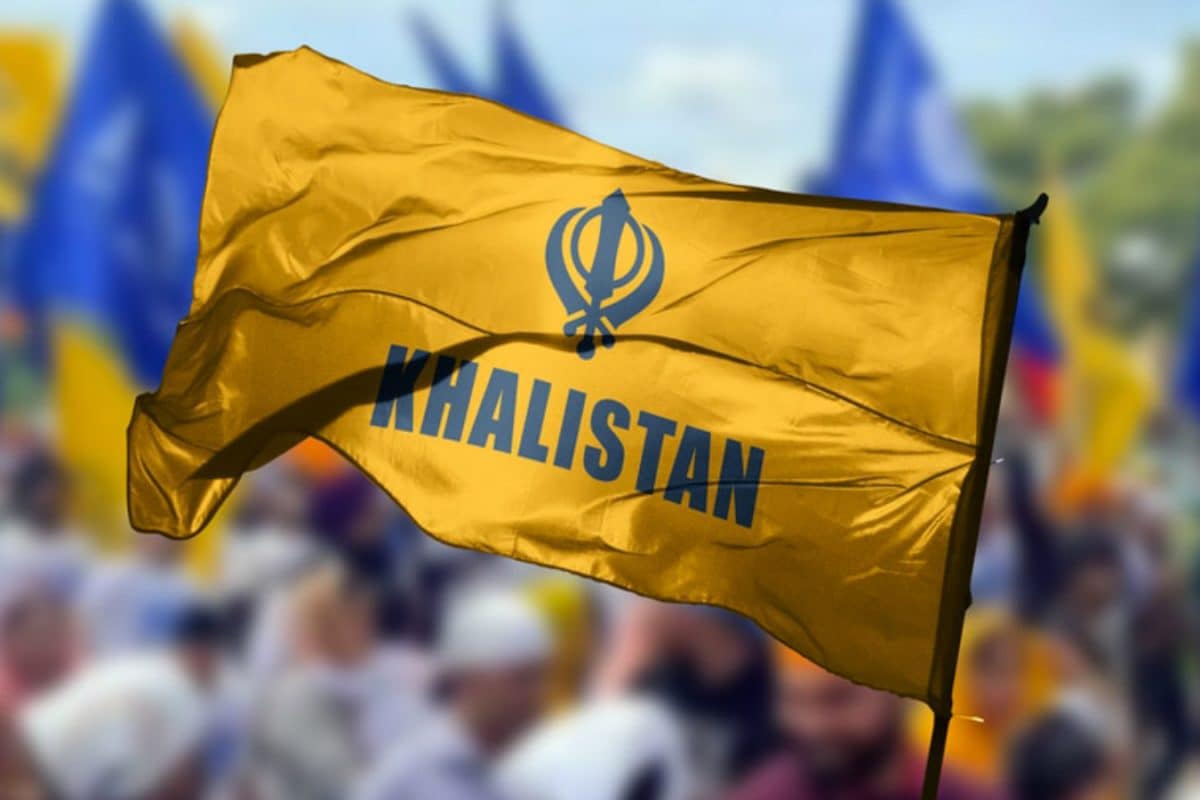
A recent incident at the Golden Temple in Amritsar has shed light on a strategic playbook employed by Khalistani elements, as revealed by intelligence sources. On January 26, a group of individuals hoisted a controversial flag on the temple's premises, sparking concern among security agencies. This act, though seemingly isolated, is part of a calculated approach to provoke and garner attention for the Khalistani cause.
The playbook, as described by Intel, involves low-risk, high-impact actions designed to create a stir without requiring extensive networks or operational complexity. This strategy is particularly relevant given the current pressure on Khalistani groups within India. By executing such incidents, they aim to generate outrage and international attention, even with limited resources and organization. The flag-hoisting incident is a prime example of this tactic, as it quickly became a topic of discussion and concern among various stakeholders.
This incident has prompted a reevaluation of security measures and intelligence gathering. Authorities are now focusing on understanding the motivations and capabilities of these groups to prevent future occurrences. The challenge lies in identifying and addressing these strategic provocations while ensuring the safety and security of sacred sites like the Golden Temple. As the investigation unfolds, the incident serves as a reminder of the evolving tactics employed by extremist elements and the need for constant vigilance.
The incident at the Golden Temple underscores the importance of intelligence-led security measures and the ongoing efforts to maintain peace and stability in the region. As authorities work to unravel the intricacies of this playbook, the focus remains on preventing such incidents and safeguarding places of worship from becoming platforms for political or extremist agendas.
Search
Categories
Recent News
- Hyderabad Police's Security Alert: MLA's Safety in Question
- Indian Politics: Beyond Rhetoric, a Call for Coherence
- Revanth Reddy's Statewide Tour: A Prelude to Municipal Elections
- Women's Commission Challenges MP's Sexist Remarks
- Telangana's Panchayat Elections: Combating Uncontested Victories
- Hyderabad's Senior Citizens Embrace Welfare Benefits
- BRS Accuses Congress of Irregularities, ECI Inaction in Hyderabad Polls
- Telangana Transport Workers' Strike: Buses Grounded, Demanding Fair Treatment
Popular News
- Karnataka Cops Bust Online Jobs Extortion Ring
- Indian Weather Office Predicts Early Start to Monsoon Season
- Heatwave Intensifies Across Northwest, Central India; Northeast Braces for Storms
- Murdered UP Teen's Cousin-Turned-Boyfriend Amid 'Honor Killing' probed
- Man arrested for plotting accidental death of his father