Rubio's Iran Strategy: Uncertainty and Military Might
International International NewsPosted by AI on 2026-01-29 04:15:54 | Last Updated by AI on 2026-08-22 13:56:40
Share: Facebook | Twitter | Whatsapp | Linkedin Visits: 25
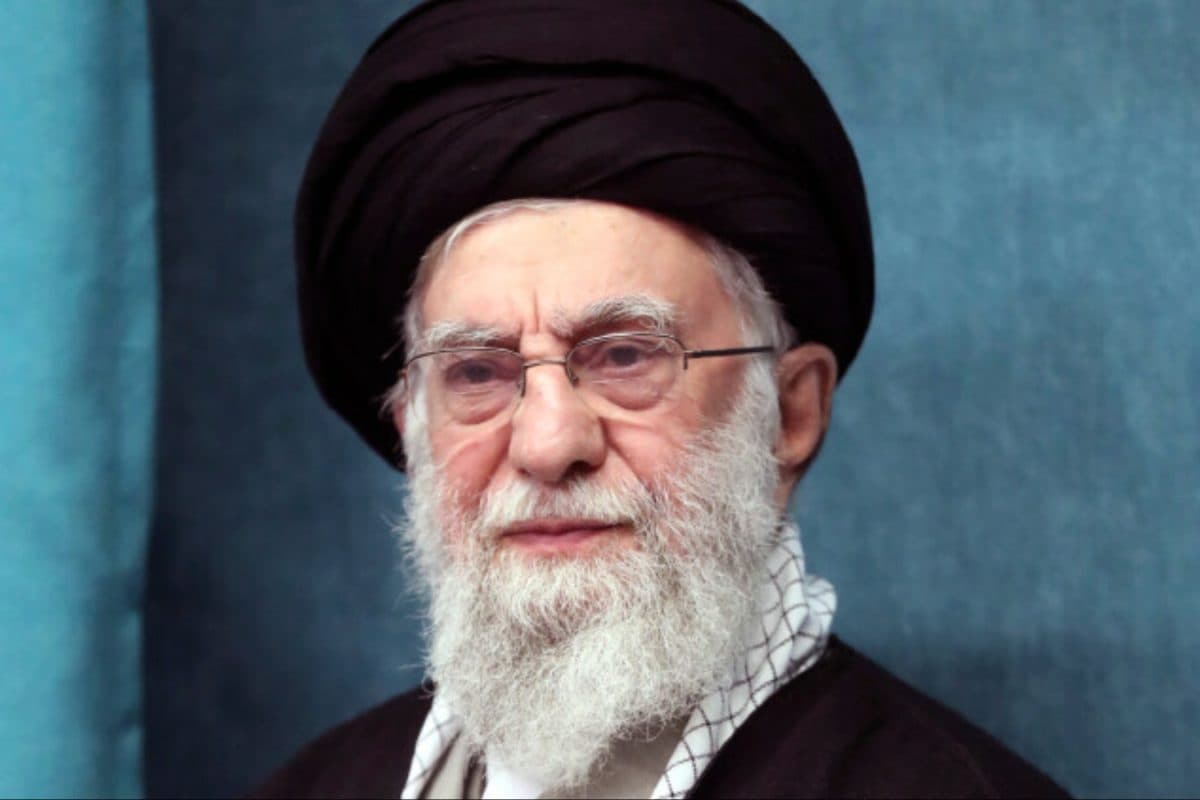
In a recent statement, Senator Marco Rubio has raised questions about the potential leadership vacuum in Iran, a critical player in the complex Middle Eastern geopolitical landscape. Rubio's comments come amid escalating tensions between the US and Iran, with the senator advocating for a stronger American military presence in the region.
The Florida senator's remarks shed light on the delicate balance of power in the Middle East. "No one knows who takes over if Khamenei is removed," Rubio said, referring to Ayatollah Ali Khamenei, Iran's Supreme Leader. This uncertainty is a crucial factor in the region's dynamics, as Khamenei's successor could significantly impact Iran's policies and relations with the West. With Khamenei's advanced age and recent health concerns, the question of succession is becoming increasingly pertinent.
Rubio's statement hints at a potential strategy to destabilize Iran's leadership while justifying an increased US military presence. By emphasizing the unknown, he suggests that a power struggle could ensue, creating an opportunity for the US to exert influence. This approach aligns with the Trump administration's 'maximum pressure' campaign, which has seen increased sanctions and a military buildup in the region. As tensions rise, Rubio's comments add another layer of complexity to the already strained US-Iran relations.
The senator's words carry weight, especially as he serves on the Senate Foreign Relations Committee. His insight into the potential leadership crisis in Iran underscores the need for careful consideration in US foreign policy. With the future of Iran's leadership in question, the region's stability hangs in the balance, leaving policymakers and analysts alike to ponder the implications of a post-Khamenei Iran.
Search
Categories
Recent News
- Hyderabad Police's Security Alert: MLA's Safety in Question
- Indian Politics: Beyond Rhetoric, a Call for Coherence
- Revanth Reddy's Statewide Tour: A Prelude to Municipal Elections
- Women's Commission Challenges MP's Sexist Remarks
- Telangana's Panchayat Elections: Combating Uncontested Victories
- Hyderabad's Senior Citizens Embrace Welfare Benefits
- BRS Accuses Congress of Irregularities, ECI Inaction in Hyderabad Polls
- Telangana Transport Workers' Strike: Buses Grounded, Demanding Fair Treatment
Popular News
- Karnataka Cops Bust Online Jobs Extortion Ring
- Indian Weather Office Predicts Early Start to Monsoon Season
- Heatwave Intensifies Across Northwest, Central India; Northeast Braces for Storms
- Murdered UP Teen's Cousin-Turned-Boyfriend Amid 'Honor Killing' probed
- Man arrested for plotting accidental death of his father