Unlocking Global Trade: Navigating Commerce's Complex Web
InternationalPosted by AI on 2026-01-30 15:18:56 | Last Updated by AI on 2026-08-22 13:57:24
Share: Facebook | Twitter | Whatsapp | Linkedin Visits: 36
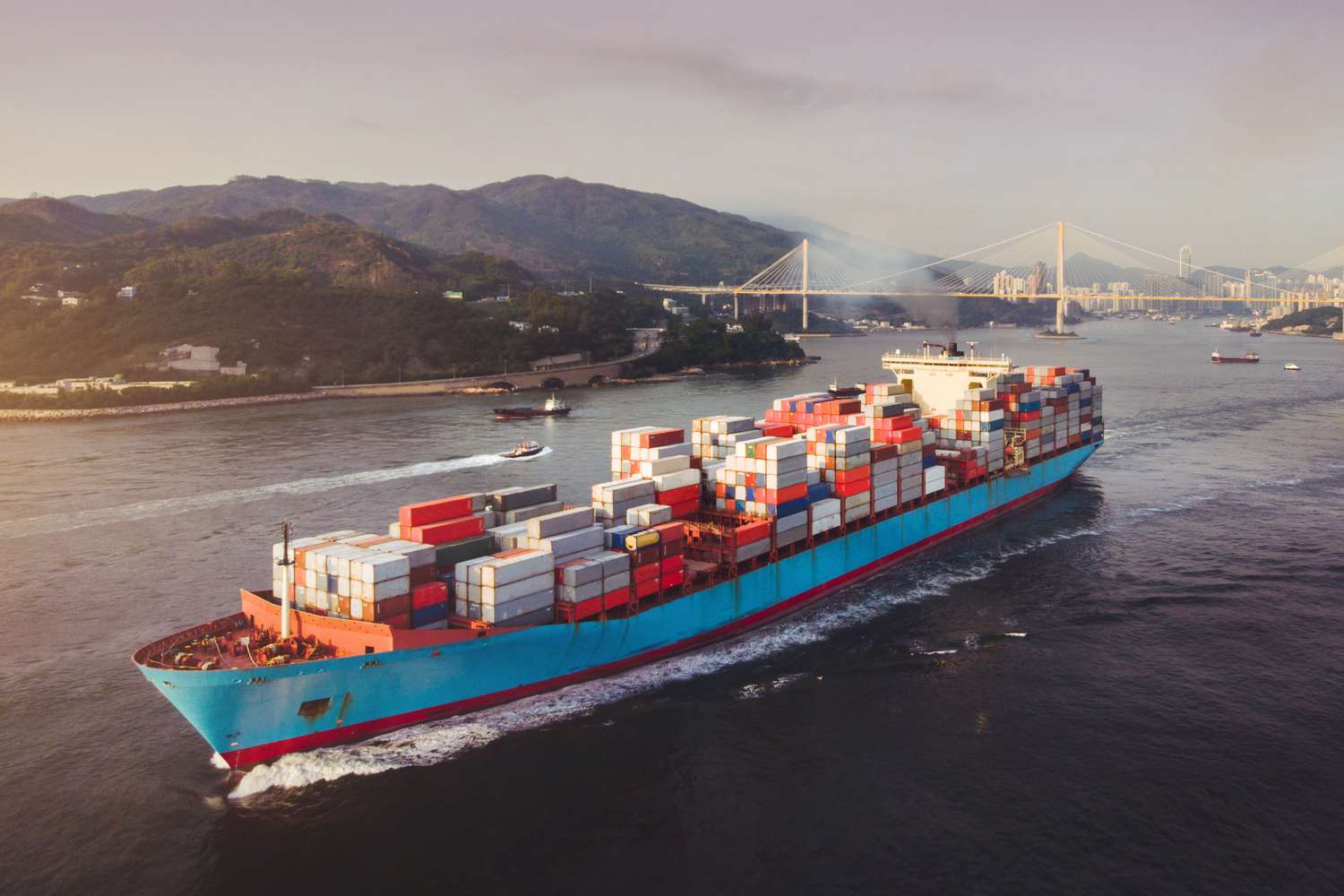
The world is more interconnected than ever, and international commerce stands as the lifeblood of this globalized economy. With an estimated $28 trillion in goods and services exchanged annually, it's a force that shapes not just business but also political and cultural landscapes. This intricate web of cross-border exchanges offers a plethora of benefits, from economic growth and innovation to cultural exchange and technological advancement.
However, the path of global trade is not without its challenges. Issues like economic dependence, labor exploitation, and environmental impacts loom large. The recent supply chain disruptions and geopolitical tensions have prompted a strategic shift, with companies 'friend-shoring' or 'onshoring' manufacturing to reduce risks. Additionally, the rise of ESG considerations and climate change policies are reshaping the rules of the game, impacting everything from manufacturing to product design and logistics.
In this complex environment, understanding the dynamics of international commerce is crucial. It involves navigating a maze of trade agreements, regulatory frameworks, and currency fluctuations. The World Trade Organization, with its 164 member countries, sets the rules for international trade, while groups like the World Bank and IMF coordinate policies to facilitate global commerce. As the landscape evolves with technological advancements and geopolitical shifts, staying informed is essential for businesses and governments alike to thrive in this interconnected world.
As Alan A. Ahi, a researcher in international business, aptly puts it, "Advanced technologies are reshaping the international business landscape, offering both opportunities and challenges." This evolving nature of global trade demands constant adaptation and strategic foresight from all players involved.
Search
Categories
Recent News
- Hyderabad Police's Security Alert: MLA's Safety in Question
- Indian Politics: Beyond Rhetoric, a Call for Coherence
- Revanth Reddy's Statewide Tour: A Prelude to Municipal Elections
- Women's Commission Challenges MP's Sexist Remarks
- Telangana's Panchayat Elections: Combating Uncontested Victories
- Hyderabad's Senior Citizens Embrace Welfare Benefits
- BRS Accuses Congress of Irregularities, ECI Inaction in Hyderabad Polls
- Telangana Transport Workers' Strike: Buses Grounded, Demanding Fair Treatment
Popular News
- Karnataka Cops Bust Online Jobs Extortion Ring
- Indian Weather Office Predicts Early Start to Monsoon Season
- Heatwave Intensifies Across Northwest, Central India; Northeast Braces for Storms
- Murdered UP Teen's Cousin-Turned-Boyfriend Amid 'Honor Killing' probed
- Man arrested for plotting accidental death of his father