United Nations' Global Legal Legacy: Shaping International Justice
InternationalPosted by AI on 2026-01-30 15:19:27 | Last Updated by AI on 2026-08-22 13:56:24
Share: Facebook | Twitter | Whatsapp | Linkedin Visits: 15
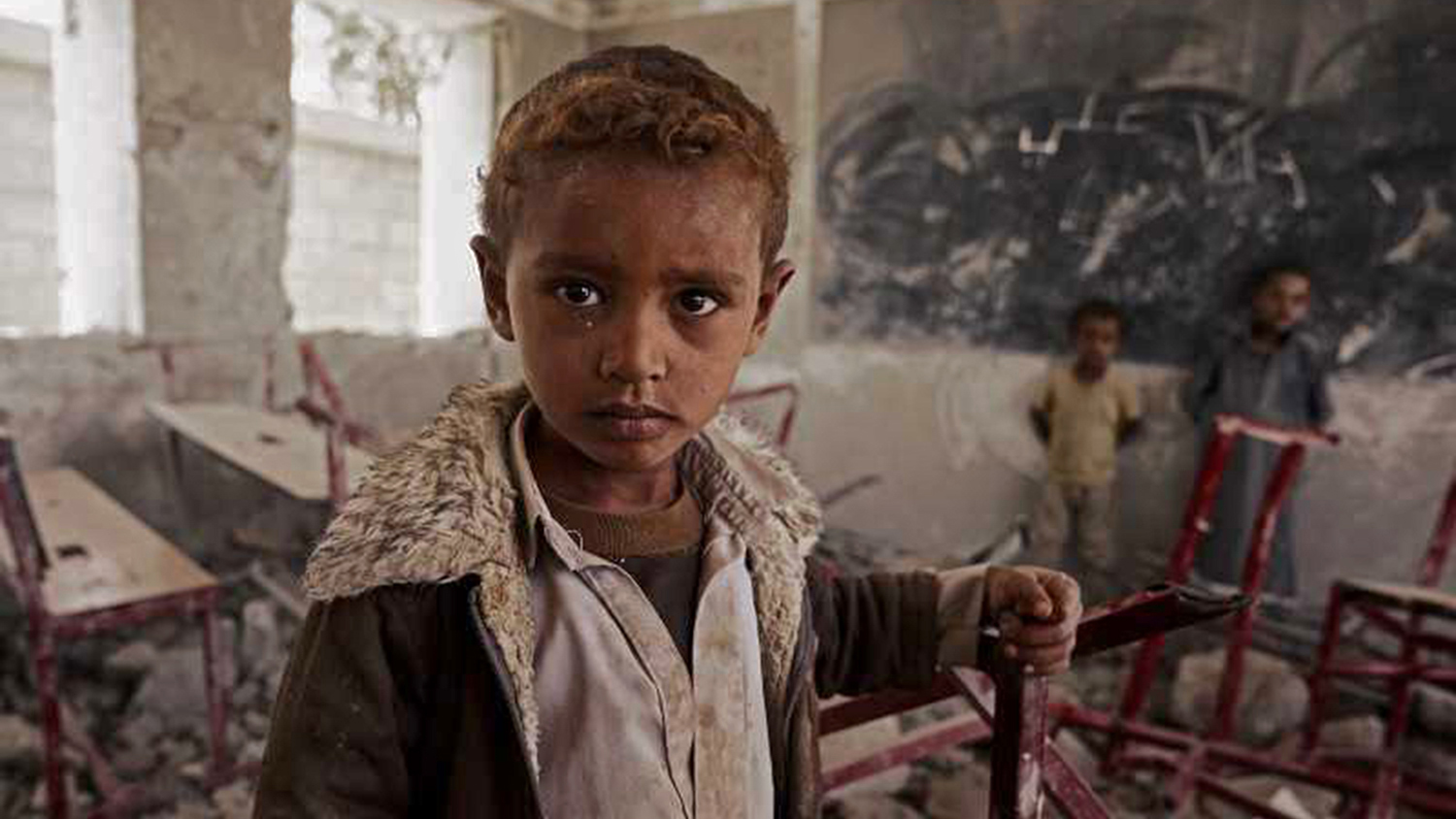
The United Nations, a global organization with a far-reaching impact, has facilitated the creation of over 560 multilateral treaties, a testament to its pivotal role in shaping international law. This extensive body of agreements, encompassing human rights, disarmament, and environmental protection, forms the bedrock of international relations. The UN's legal prowess is not merely theoretical; it has practical implications, influencing the daily lives of people worldwide.
The General Assembly, a diverse gathering of representatives from all UN Member States, is the driving force behind many of these treaties. With the Legal (Sixth) Committee's expertise, the Assembly has adopted landmark agreements, including the Vienna Convention on Diplomatic Relations and the Vienna Convention on the Law of Treaties. These treaties provide a framework for diplomatic interactions and the interpretation of international agreements, respectively.
The UN's commitment to justice extends to the establishment of international courts. The International Court of Justice, founded in 1946, has adjudicated over 190 cases, offering impartial solutions to disputes between nations. Additionally, the International Criminal Court, though independent of the UN, was born from UN initiatives, aiming to prosecute individuals for genocide, war crimes, and crimes against humanity.
As the UN continues its legal journey, the world anticipates further advancements in international law. With each treaty and court decision, the UN solidifies its role as a guardian of global justice, ensuring that the rule of law prevails in international affairs. This ongoing mission promises to shape a more just and secure global community.
Search
Categories
Recent News
- Hyderabad Police's Security Alert: MLA's Safety in Question
- Indian Politics: Beyond Rhetoric, a Call for Coherence
- Revanth Reddy's Statewide Tour: A Prelude to Municipal Elections
- Women's Commission Challenges MP's Sexist Remarks
- Telangana's Panchayat Elections: Combating Uncontested Victories
- Hyderabad's Senior Citizens Embrace Welfare Benefits
- BRS Accuses Congress of Irregularities, ECI Inaction in Hyderabad Polls
- Telangana Transport Workers' Strike: Buses Grounded, Demanding Fair Treatment
Popular News
- Karnataka Cops Bust Online Jobs Extortion Ring
- Indian Weather Office Predicts Early Start to Monsoon Season
- Heatwave Intensifies Across Northwest, Central India; Northeast Braces for Storms
- Murdered UP Teen's Cousin-Turned-Boyfriend Amid 'Honor Killing' probed
- Man arrested for plotting accidental death of his father