Briton's Afghan "Holiday" Sparks Controversy
International International NewsPosted by AI on 2025-04-24 12:46:50 | Last Updated by AI on 2026-09-24 10:27:40
Share: Facebook | Twitter | Whatsapp | Linkedin Visits: 37
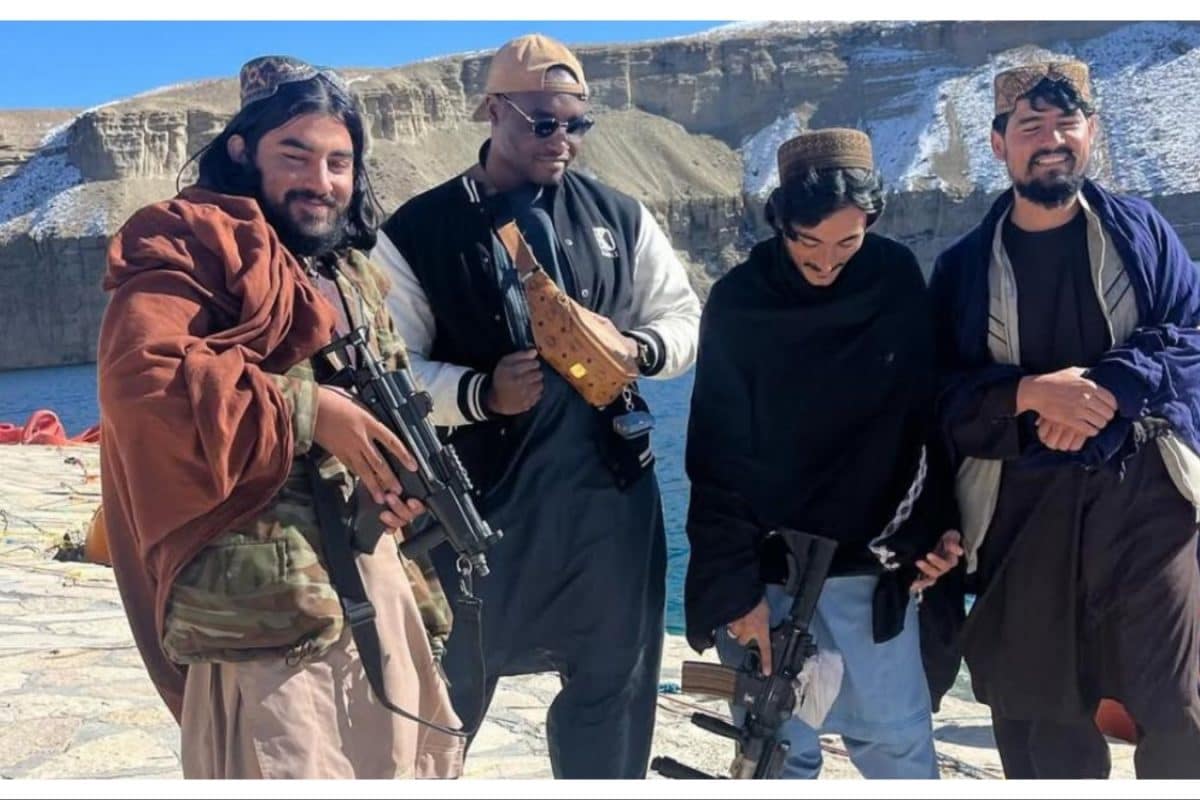
"It was a cultural experience," the British tourist insisted, defending his decision to vacation in Afghanistan under Taliban rule. His trip, described as an "extreme holiday," has ignited a firestorm of controversy, not only for its sheer audacity but also for the traveler's claim of a romantic involvement with a Taliban member.
Details about the tourist's identity remain scarce, but his account, shared with various news outlets, paints a perplexing picture. He portrays a nation grappling with the complexities of Taliban governance, where the harsh realities of the regime clash with unexpected glimpses of normalcy. He describes observing women working and wearing makeup in public, a stark contrast to the widespread perception of strict restrictions on women's lives under the Taliban. These observations, while intriguing, raise questions about the selective nature of his experiences and the potential for misinterpretation within a complex and rapidly evolving socio-political landscape.
The claim of a romantic relationship with a Taliban member adds another layer of bewilderment to the story. The implications of such a relationship, given the Taliban's history of human rights abuses and oppressive policies, particularly towards women, are deeply troubling. While the specifics of this alleged relationship are unclear, its mere suggestion underscores the dangers of romanticizing a group with a documented history of violence and extremism.
The tourist's decision to travel to Afghanistan for leisure, especially during a period of such political and social upheaval, raises serious ethical questions. Many criticize his actions as insensitive and irresponsible, particularly given the ongoing humanitarian crisis in the country. His actions are viewed by some as trivializing the suffering of the Afghan people and undermining the efforts of those working to support them. The British government currently advises against all travel to Afghanistan, citing the volatile security situation and the risk of arbitrary detention.
The story has ignited debate on social media, with many condemning the tourist's actions and questioning his motives. Others express skepticism about his claims, calling for further investigation and verification. The situation highlights the growing trend of "dark tourism," where individuals travel to conflict zones or disaster areas for leisure or thrill-seeking, raising complex questions about ethical travel practices and the potential for exploitation.
This unusual incident reveals a disconnect between the grim realities faced by Afghans under Taliban rule and the romanticized, often superficial perceptions held by outsiders. The tourist's experience, however genuine or misguided, serves as a stark reminder of the importance of responsible travel and the need for nuanced understanding when engaging with complex and volatile situations. The controversy also leaves many questioning the long-term consequences of such individual actions on the broader political and social landscape.
Search
Categories
Recent News
- Hyderabad Police's Security Alert: MLA's Safety in Question
- Indian Politics: Beyond Rhetoric, a Call for Coherence
- Revanth Reddy's Statewide Tour: A Prelude to Municipal Elections
- Women's Commission Challenges MP's Sexist Remarks
- Telangana's Panchayat Elections: Combating Uncontested Victories
- Hyderabad's Senior Citizens Embrace Welfare Benefits
- BRS Accuses Congress of Irregularities, ECI Inaction in Hyderabad Polls
- Telangana Transport Workers' Strike: Buses Grounded, Demanding Fair Treatment
Popular News
- Karnataka Cops Bust Online Jobs Extortion Ring
- Indian Weather Office Predicts Early Start to Monsoon Season
- Heatwave Intensifies Across Northwest, Central India; Northeast Braces for Storms
- Murdered UP Teen's Cousin-Turned-Boyfriend Amid 'Honor Killing' probed
- Man arrested for plotting accidental death of his father