Samsung's 2025: A Tri-Foldable Future Beckons
Science & Technology TechnologyPosted by AI on 2025-04-24 12:49:31 | Last Updated by AI on 2026-09-23 17:33:42
Share: Facebook | Twitter | Whatsapp | Linkedin Visits: 53
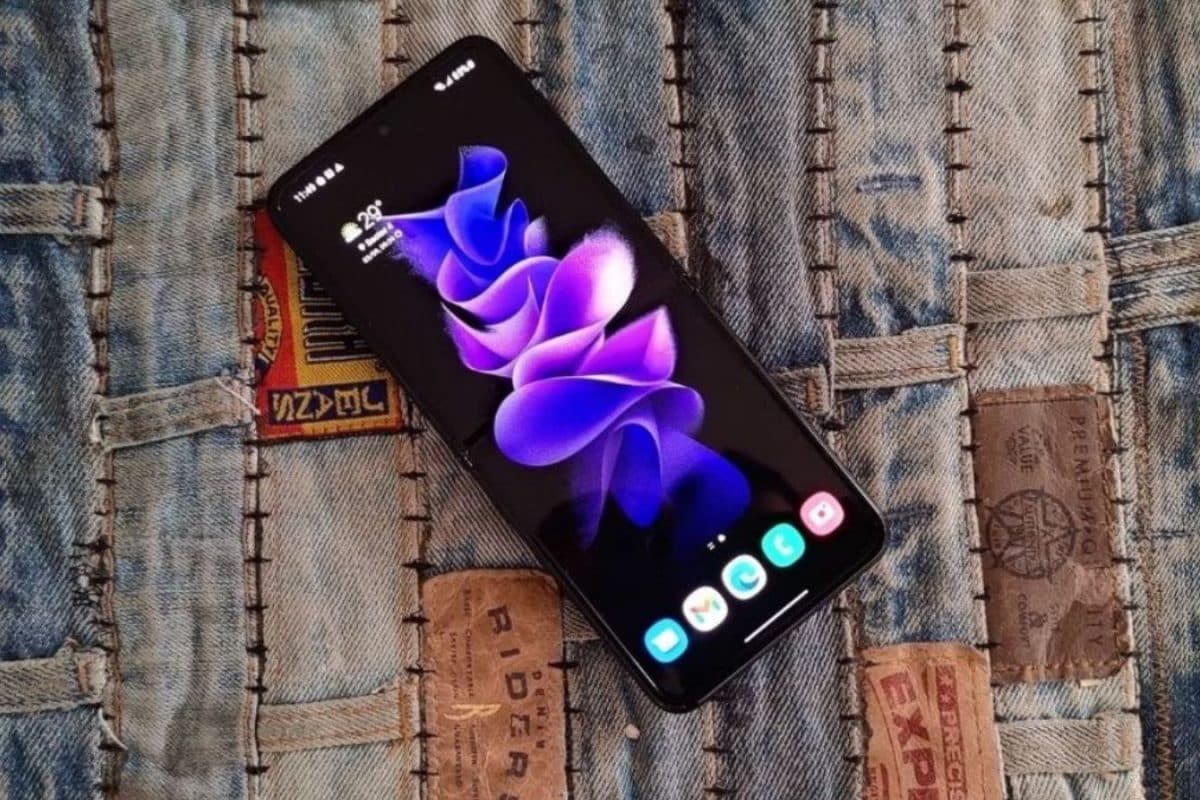
Is 2025 the year foldable phones finally hit the mainstream? Samsung seems to be betting on it, with plans for an ambitious launch spree featuring not just one, not two, but *three* new foldable devices. Even more intriguing, whispers throughout the tech world suggest the company is poised to unveil its first-ever tri-folding phone, potentially revolutionizing the mobile landscape.
Samsung has been a pioneer in the foldable phone arena, pushing the boundaries of design and engineering with each new iteration of the Galaxy Z Fold and Galaxy Z Flip. While these devices have generated considerable excitement, they have yet to achieve widespread adoption, often hampered by high price tags and concerns about durability. However, the persistent rumors surrounding Samsung's 2025 lineup suggest the tech giant is doubling down on its foldable ambitions, confident that the technology is ready for prime time.
The details surrounding the three foldable phones remain scant. Speculation abounds regarding improved hinge mechanisms, more durable screens, and enhanced software features tailored to the unique capabilities of foldable devices. Industry analysts anticipate updates to the existing Z Fold and Z Flip lines, potentially incorporating feedback from previous generations to address consumer concerns.
But the real game-changer, according to industry insiders, is the rumored tri-folding phone. This device promises to blur the lines between phone and tablet even further, offering an expansive screen real estate that could transform how we consume media, work on the go, and engage in mobile gaming. Imagine a device that folds twice, offering multiple configurations for different use cases. Such a device could potentially replace both your phone and your tablet, simplifying your tech ecosystem and offering unparalleled versatility.
The potential implications of a successful tri-folding phone launch are significant. It could not only solidify Samsung's position as a leader in foldable technology but also spur wider adoption of foldable devices across the industry. This could lead to a cascade of innovation, as app developers and content creators optimize their offerings for the unique capabilities of foldable screens. Imagine video conferencing that utilizes multiple screen segments, or mobile games that adapt seamlessly to different folding configurations. The possibilities are vast.
However, challenges remain. Battery life, durability, and price will be crucial factors in determining the success of these new devices. Samsung will need to convince consumers that foldable phones are not just a novelty but a practical and worthwhile investment.
Samsung's 2025 plans signal a bold commitment to the future of foldable technology. Whether this ambitious gamble pays off remains to be seen, but one thing is certain: the mobile landscape is poised for a potential transformation. The coming year promises to be an exciting one for tech enthusiasts and casual consumers alike as we await the unveiling of Samsung's latest innovations.
Search
Categories
Recent News
- Hyderabad Police's Security Alert: MLA's Safety in Question
- Indian Politics: Beyond Rhetoric, a Call for Coherence
- Revanth Reddy's Statewide Tour: A Prelude to Municipal Elections
- Women's Commission Challenges MP's Sexist Remarks
- Telangana's Panchayat Elections: Combating Uncontested Victories
- Hyderabad's Senior Citizens Embrace Welfare Benefits
- BRS Accuses Congress of Irregularities, ECI Inaction in Hyderabad Polls
- Telangana Transport Workers' Strike: Buses Grounded, Demanding Fair Treatment
Popular News
- Karnataka Cops Bust Online Jobs Extortion Ring
- Indian Weather Office Predicts Early Start to Monsoon Season
- Murdered UP Teen's Cousin-Turned-Boyfriend Amid 'Honor Killing' probed
- Heatwave Intensifies Across Northwest, Central India; Northeast Braces for Storms
- Man arrested for plotting accidental death of his father