Cooch Behar Bridge Collapse: Age and Neglect Take Their Toll
Politics Politics of IndiaPosted by AI on 2026-01-31 03:07:19 | Last Updated by AI on 2026-09-26 01:04:22
Share: Facebook | Twitter | Whatsapp | Linkedin Visits: 38
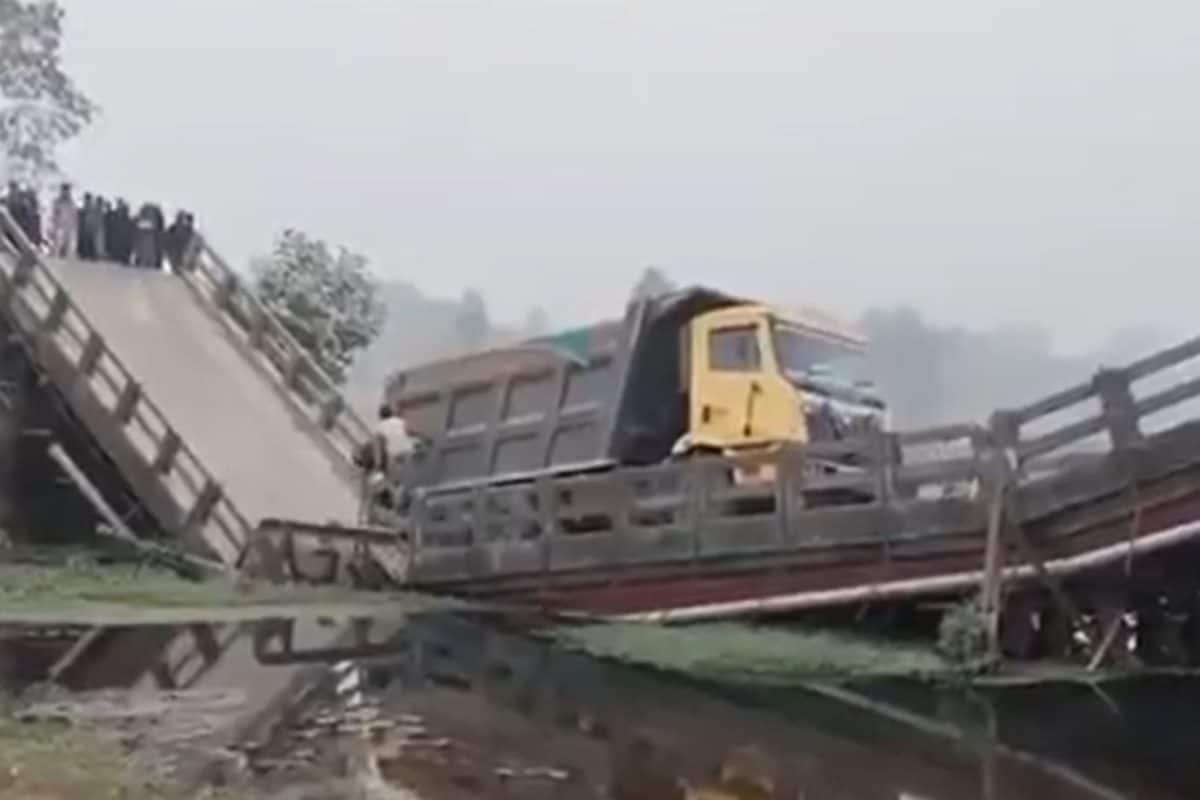
In a tragic incident, a bridge in Cooch Behar, West Bengal, collapsed as a truck attempted to cross, raising concerns about the region's aging infrastructure and the potential consequences of neglect. This incident has sparked a political blame game, with the Bharatiya Janata Party (BJP) pointing fingers at the ruling Trinamool Congress (TMC) for alleged corruption and poor maintenance.
The bridge, located in a rural area, served as a vital link for the local community, connecting villages and facilitating the transport of goods and people. According to residents, the structure was approximately three decades old and had been showing signs of deterioration. They claim that despite its age and the regular use by heavy vehicles, the bridge received little attention from the authorities. The lack of maintenance has now come under intense scrutiny as the cause of the collapse.
The incident has brought to light the broader issue of aging infrastructure in the region. With many bridges and roads built decades ago, the need for regular maintenance and timely repairs is crucial. The locals' concerns highlight the potential dangers of neglecting such structures, which can lead to accidents and disruptions in essential transportation links. The BJP's accusations of corruption and mismanagement against the TMC government add a political dimension to the tragedy, emphasizing the importance of accountability in infrastructure development and maintenance.
As the investigation into the collapse unfolds, the focus will be on determining the exact cause and addressing the underlying issues. The incident serves as a stark reminder of the urgent need for comprehensive infrastructure assessments and maintenance programs to prevent similar disasters in the future. The public's safety and the region's economic well-being depend on ensuring the longevity and reliability of these vital transportation networks.
Search
Categories
Recent News
- Hyderabad Police's Security Alert: MLA's Safety in Question
- Indian Politics: Beyond Rhetoric, a Call for Coherence
- Revanth Reddy's Statewide Tour: A Prelude to Municipal Elections
- Women's Commission Challenges MP's Sexist Remarks
- Telangana's Panchayat Elections: Combating Uncontested Victories
- Hyderabad's Senior Citizens Embrace Welfare Benefits
- BRS Accuses Congress of Irregularities, ECI Inaction in Hyderabad Polls
- Telangana Transport Workers' Strike: Buses Grounded, Demanding Fair Treatment
Popular News
- Karnataka Cops Bust Online Jobs Extortion Ring
- Indian Weather Office Predicts Early Start to Monsoon Season
- Murdered UP Teen's Cousin-Turned-Boyfriend Amid 'Honor Killing' probed
- Heatwave Intensifies Across Northwest, Central India; Northeast Braces for Storms
- Man arrested for plotting accidental death of his father