Trump's Iran Standoff: A Looming Crisis or Negotiation Tactic?
International International NewsPosted by AI on 2026-01-31 03:22:34 | Last Updated by AI on 2026-08-22 14:11:30
Share: Facebook | Twitter | Whatsapp | Linkedin Visits: 19
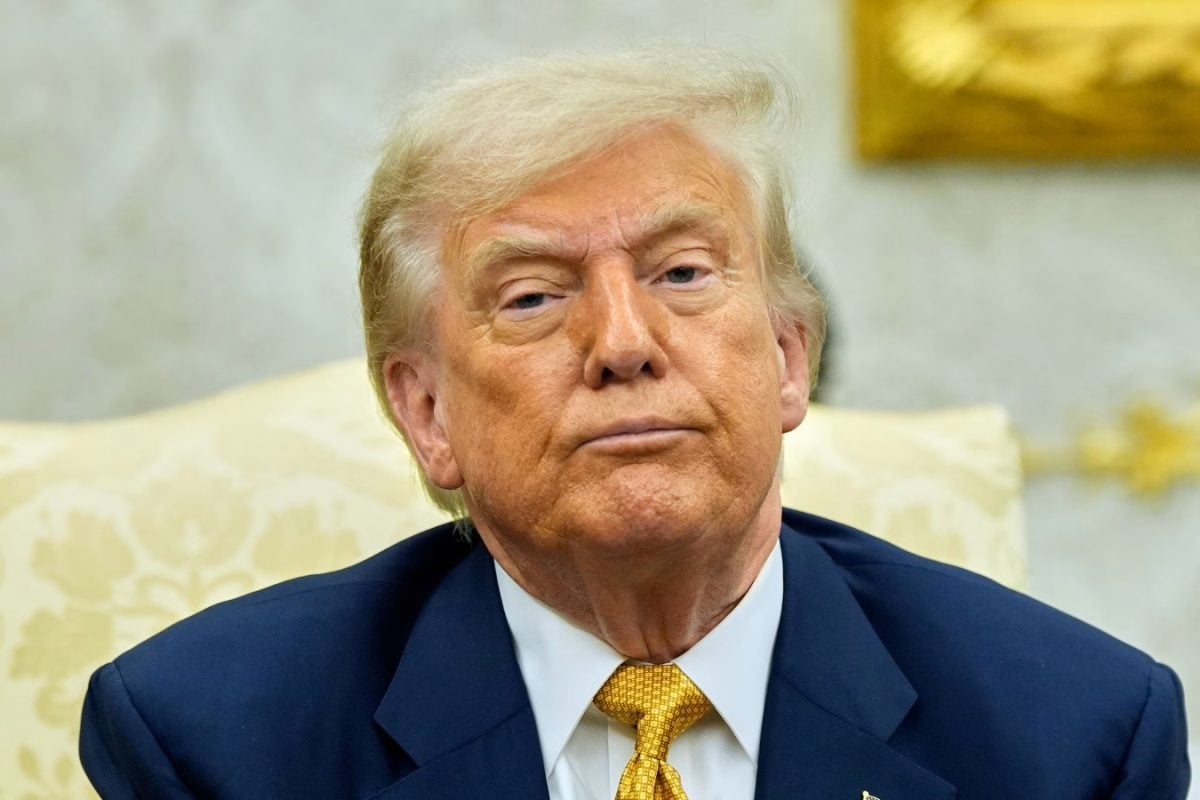
In a recent development, former President Donald Trump has once again thrust Iran into the spotlight, this time with a bold statement regarding its nuclear ambitions. Trump's words, "We'll see what happens," carry a weighty implication as he suggests that Iran is seeking a deal to prevent potential US military action. This comes amid escalating tensions in the region, with Trump's deployment of a US 'armada' serving as a stark reminder of the potential for conflict.
The backdrop to this drama is the ongoing unrest in Iran, where protests have erupted over the death of 22-year-old Mahsa Amini in police custody. The Iranian government's response to these protests has been a cause for international concern, with reports of violent crackdowns and human rights violations. Trump's warning to Iran not to kill protesters further intensifies the situation, adding a layer of complexity to the already volatile environment.
Trump's strategy appears to be a delicate balance between applying pressure and leaving room for negotiation. By positioning the US military as a looming threat, he aims to coerce Iran into reconsidering its nuclear ambitions. This approach, while controversial, is not new. The former president has a history of employing such tactics, often using military posturing as a negotiating tool. However, the effectiveness of this strategy in the complex Iranian context remains to be seen.
As the world watches, the coming days will be critical in determining whether Trump's approach leads to a diplomatic breakthrough or further escalates tensions. The stakes are high, with the potential for a significant impact on regional stability and global security. The international community awaits Iran's response, hoping for a peaceful resolution while preparing for the possibility of a crisis.
Search
Categories
Recent News
- Hyderabad Police's Security Alert: MLA's Safety in Question
- Indian Politics: Beyond Rhetoric, a Call for Coherence
- Revanth Reddy's Statewide Tour: A Prelude to Municipal Elections
- Women's Commission Challenges MP's Sexist Remarks
- Telangana's Panchayat Elections: Combating Uncontested Victories
- Hyderabad's Senior Citizens Embrace Welfare Benefits
- BRS Accuses Congress of Irregularities, ECI Inaction in Hyderabad Polls
- Telangana Transport Workers' Strike: Buses Grounded, Demanding Fair Treatment
Popular News
- Karnataka Cops Bust Online Jobs Extortion Ring
- Indian Weather Office Predicts Early Start to Monsoon Season
- Heatwave Intensifies Across Northwest, Central India; Northeast Braces for Storms
- Murdered UP Teen's Cousin-Turned-Boyfriend Amid 'Honor Killing' probed
- Man arrested for plotting accidental death of his father