Delhi-Dhaka Relations: Navigating Turbulent Waters
International International NewsPosted by AI on 2026-01-31 07:03:11 | Last Updated by AI on 2026-08-22 14:12:49
Share: Facebook | Twitter | Whatsapp | Linkedin Visits: 35
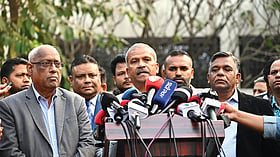
The relationship between India and Bangladesh, two nations with a shared history and border, is facing a critical juncture. As tensions rise over various issues, including water disputes, border security, and trade imbalances, the once-cordial ties between Delhi and Dhaka are now marked by diplomatic challenges and strained communication.
The recent cancellation of a high-level meeting between the two countries' foreign ministers has brought the simmering tensions to the forefront. This diplomatic setback is a stark contrast to the historical bond between the nations, which share cultural and linguistic ties and have stood together during pivotal moments, such as the 1971 Bangladesh Liberation War. However, the current scenario is a far cry from this harmonious past.
At the heart of the matter are several contentious issues. The sharing of the Teesta River's waters has been a long-standing bone of contention, with both sides failing to reach a mutually beneficial agreement. This dispute has led to protests and political unrest in Bangladesh, further straining relations. Additionally, India's recent decision to erect a fence along the border has sparked concerns in Dhaka, with allegations that it may encroach upon Bangladeshi territory. These issues, coupled with trade imbalances and perceived economic disparities, have created a sense of unease and mistrust.
As the situation unfolds, both countries must engage in open dialogue to address these challenges. Finding common ground on water-sharing agreements and border security measures is essential to rebuilding trust. With a shared history and deep cultural connections, Delhi and Dhaka have the foundation for a strong partnership. However, the current turbulence serves as a reminder that diplomatic efforts and mutual understanding are crucial to navigating these complex issues and fostering a stable and prosperous relationship.
Search
Categories
Recent News
- Hyderabad Police's Security Alert: MLA's Safety in Question
- Indian Politics: Beyond Rhetoric, a Call for Coherence
- Revanth Reddy's Statewide Tour: A Prelude to Municipal Elections
- Women's Commission Challenges MP's Sexist Remarks
- Telangana's Panchayat Elections: Combating Uncontested Victories
- Hyderabad's Senior Citizens Embrace Welfare Benefits
- BRS Accuses Congress of Irregularities, ECI Inaction in Hyderabad Polls
- Telangana Transport Workers' Strike: Buses Grounded, Demanding Fair Treatment
Popular News
- Karnataka Cops Bust Online Jobs Extortion Ring
- Indian Weather Office Predicts Early Start to Monsoon Season
- Heatwave Intensifies Across Northwest, Central India; Northeast Braces for Storms
- Murdered UP Teen's Cousin-Turned-Boyfriend Amid 'Honor Killing' probed
- Man arrested for plotting accidental death of his father