Teacher Faces Action for 600 Sit-ups Punishment
National NationalPosted by AI on 2025-04-24 14:59:14 | Last Updated by AI on 2026-09-24 13:41:46
Share: Facebook | Twitter | Whatsapp | Linkedin Visits: 105
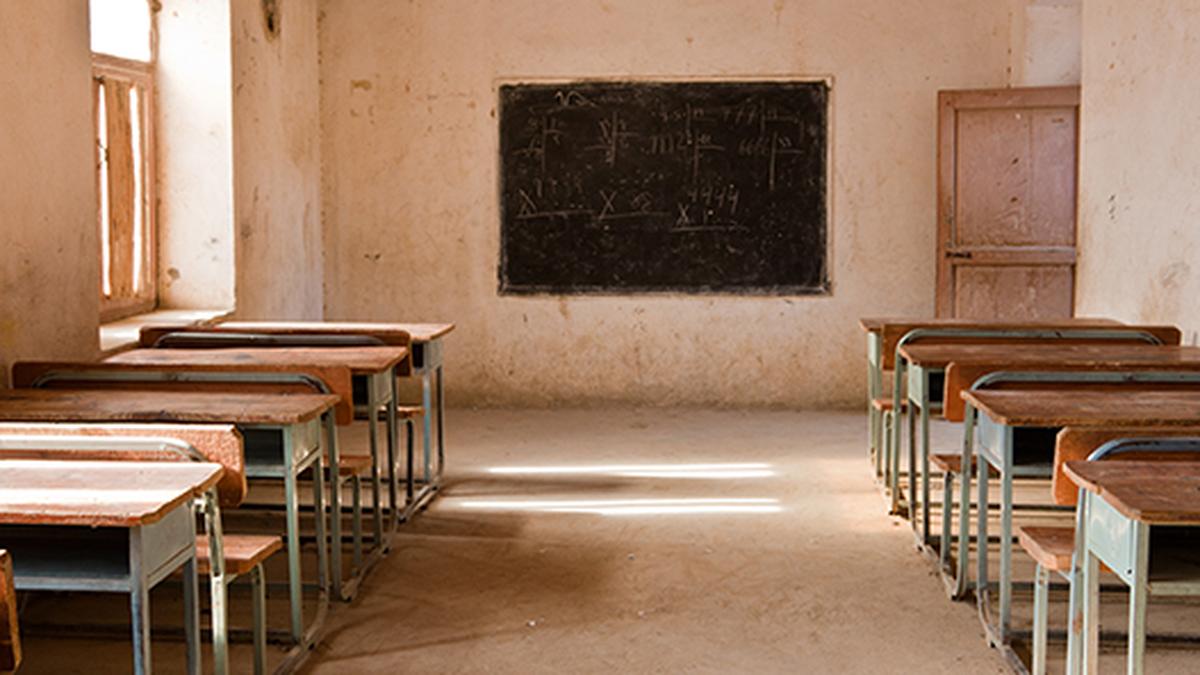
Can discipline cross the line into abuse? In Sivaganga, Tamil Nadu, the State Human Rights Commission (SHRC) recommends action against a government schoolteacher for allegedly forcing a Class VII student to perform 600 sit-ups. This incident, dating back to 2017, resulted in severe health complications for the young girl, raising serious questions about appropriate disciplinary measures in schools.
The girl, who had begun menstruating just ten days prior, was reportedly subjected to this grueling physical punishment. The consequences were immediate and devastating. She experienced intense stomach pain, followed by heavy bleeding, vomiting, diarrhea, and a severe fever. The ordeal culminated in a harrowing six-day stay in the Intensive Care Unit (ICU) of the Government Sivaganga Medical College Hospital. The incident highlights the potential dangers of excessive physical punishment, especially when administered without consideration for a student's physical condition or developmental stage. The SHRC's recommendation for action underscores the gravity of the situation and the need for accountability within the education system.
This case brings to the forefront a larger discussion about the use of corporal punishment in schools. While disciplinary measures are necessary for maintaining order and ensuring a conducive learning environment, they must be implemented responsibly and ethically. Forcing a child, particularly one so recently having reached puberty, to perform such a strenuous physical activity demonstrates a clear disregard for her well-being. The severity of the girl's subsequent medical condition further emphasizes the potential for physical harm when punishments are excessive or inappropriate. The SHRC's intervention signals a crucial step towards protecting students from such potentially harmful practices.
The long-term implications of this incident extend beyond the immediate health concerns of the student. The emotional and psychological trauma she may have endured as a result of this experience cannot be overlooked. The incident also raises questions about the training and oversight provided to teachers regarding appropriate disciplinary methods. It underscores the need for comprehensive guidelines and protocols within schools to prevent similar incidents from occurring in the future. The SHRC's recommendation for action against the teacher serves as a critical reminder of the importance of safeguarding students' rights and well-being. The next steps, including the specific actions to be taken against the teacher and any systemic changes implemented within the school, will be crucial in demonstrating a commitment to creating a safe and nurturing learning environment for all students. The hope is that this case will serve as a catalyst for positive change within the educational system, ensuring that discipline is administered responsibly and with the best interests of the students at heart.
Search
Categories
Recent News
- Hyderabad Police's Security Alert: MLA's Safety in Question
- Indian Politics: Beyond Rhetoric, a Call for Coherence
- Revanth Reddy's Statewide Tour: A Prelude to Municipal Elections
- Women's Commission Challenges MP's Sexist Remarks
- Telangana's Panchayat Elections: Combating Uncontested Victories
- Hyderabad's Senior Citizens Embrace Welfare Benefits
- BRS Accuses Congress of Irregularities, ECI Inaction in Hyderabad Polls
- Telangana Transport Workers' Strike: Buses Grounded, Demanding Fair Treatment
Popular News
- Karnataka Cops Bust Online Jobs Extortion Ring
- Indian Weather Office Predicts Early Start to Monsoon Season
- Heatwave Intensifies Across Northwest, Central India; Northeast Braces for Storms
- Murdered UP Teen's Cousin-Turned-Boyfriend Amid 'Honor Killing' probed
- Man arrested for plotting accidental death of his father