Owaisi Skips Pahalgam Meet, Calls for United Front
National NationalPosted by AI on 2025-04-24 15:03:25 | Last Updated by AI on 2026-09-24 14:29:56
Share: Facebook | Twitter | Whatsapp | Linkedin Visits: 62
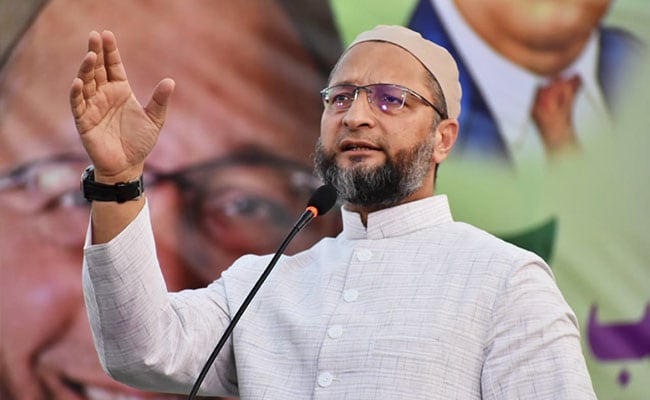
Twenty-six lives tragically lost. That's the grim toll of the recent terror attack in Pahalgam, a stark reminder of the persistent threat of violence in the region. In response, the central government convened an all-party meeting on Thursday to discuss the incident and formulate a cohesive strategy. Conspicuously absent, however, was Asaduddin Owaisi, leader of the All India Majlis-e-Ittehadul Muslimeen (AIMIM).
The all-party meeting, held amidst a palpable sense of urgency, aimed to bring together diverse political voices to address the escalating security concerns in Pahalgam. Representatives from various national and regional parties gathered to deliberate on the attack, its implications, and potential countermeasures. The discussions focused on strengthening security infrastructure, enhancing intelligence gathering, and addressing the root causes of such violence. While the meeting sought a unified front against terrorism, Owaisi's absence marked a notable divergence.
Although skipping the meeting, Owaisi stressed the importance of collective action in combating terrorism. He emphasized that "everyone must rise above partisan politics and work together to defeat the forces of terror." His statement, while advocating unity, also underscored the complex political landscape surrounding the issue of terrorism and the often-divergent approaches to addressing it. The AIMIM leader's decision to abstain from the meeting, while advocating for a united stand against terrorism, raises questions about his preferred mode of engagement with the government and other political parties on such critical national security issues.
The Pahalgam attack has sent shockwaves across the nation, highlighting the vulnerability of civilian populations to acts of terror. The government's initiative to convene an all-party meeting signifies a recognition of the need for a comprehensive and collaborative response. The meeting provided a platform for diverse political perspectives to converge on a shared goal: protecting lives and ensuring security. The discussions, while taking place behind closed doors, are expected to shape the nation's security policy in the coming months. The incident and the subsequent meeting underscore the ongoing challenges faced by India in its fight against terrorism, a battle that demands not only robust security measures but also a concerted effort to address the underlying socio-political factors that contribute to its persistence. The path forward remains uncertain, fraught with complexities and challenges. However, the collective resolve displayed in the wake of this tragedy offers a glimmer of hope that through concerted action and a commitment to unity, the nation can overcome these threats and build a more secure future.
Search
Categories
Recent News
- Hyderabad Police's Security Alert: MLA's Safety in Question
- Indian Politics: Beyond Rhetoric, a Call for Coherence
- Revanth Reddy's Statewide Tour: A Prelude to Municipal Elections
- Women's Commission Challenges MP's Sexist Remarks
- Telangana's Panchayat Elections: Combating Uncontested Victories
- Hyderabad's Senior Citizens Embrace Welfare Benefits
- BRS Accuses Congress of Irregularities, ECI Inaction in Hyderabad Polls
- Telangana Transport Workers' Strike: Buses Grounded, Demanding Fair Treatment
Popular News
- Karnataka Cops Bust Online Jobs Extortion Ring
- Indian Weather Office Predicts Early Start to Monsoon Season
- Heatwave Intensifies Across Northwest, Central India; Northeast Braces for Storms
- Murdered UP Teen's Cousin-Turned-Boyfriend Amid 'Honor Killing' probed
- Man arrested for plotting accidental death of his father