Turkey's Strategic Shift: No Defence Alliance With Pakistan and Saudi Arabia
International International NewsPosted by AI on 2026-02-01 06:20:38 | Last Updated by AI on 2026-08-22 14:32:42
Share: Facebook | Twitter | Whatsapp | Linkedin Visits: 14
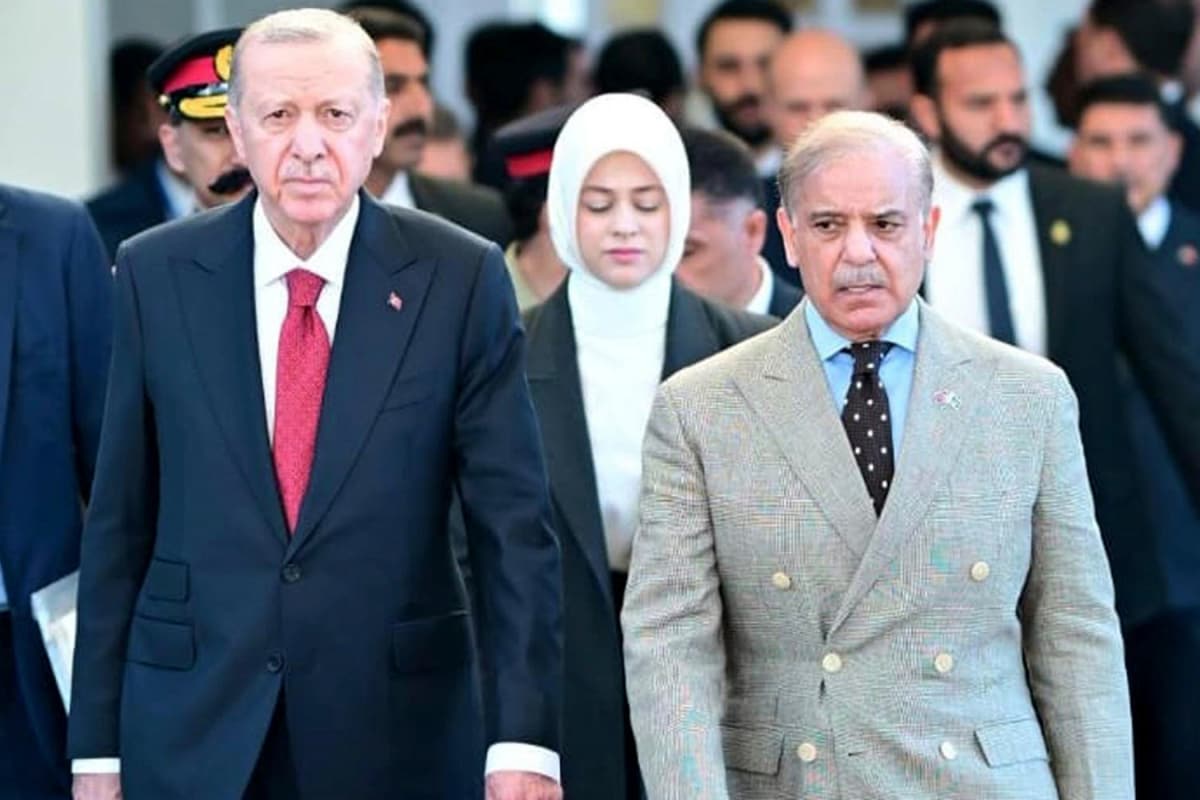
In a significant development, Turkey has decided not to pursue a multilateral defence pact with Pakistan and Saudi Arabia, citing strategic considerations and Pakistan's military commitments. This move raises questions about the future of regional security alliances and the implications for all three nations.
The decision comes amid growing concerns within Turkish security circles regarding Pakistan's ability to contribute effectively to such an alliance. Turkish sources revealed that Pakistan's military is already stretched across multiple fronts, including its ongoing border tensions with India and its involvement in the Middle East. This has led to a reevaluation of the proposed alliance's feasibility and potential benefits.
"Pakistan's military capacity is a key factor in our decision," said a Turkish official who requested anonymity. "While we value our relationships with both Pakistan and Saudi Arabia, we must consider the practical aspects of any defence pact. The current situation in the region demands a realistic assessment of capabilities and commitments."
This strategic shift may have far-reaching consequences for regional security dynamics. Turkey's decision could impact its relationships with both Pakistan and Saudi Arabia, potentially leading to a realignment of alliances. It also highlights the complex nature of international relations, where strategic partnerships are subject to constant reevaluation based on evolving circumstances.
As Turkey navigates its strategic interests, the decision to forgo this defence pact underscores the delicate balance between diplomacy and military considerations. The move is likely to spark further discussions and negotiations among regional powers, shaping the future of security alliances in this volatile region. With Turkey's strategic shift, the focus now shifts to how Pakistan and Saudi Arabia respond and whether new alliances will emerge to address the complex security challenges in the area.
Search
Categories
Recent News
- Hyderabad Police's Security Alert: MLA's Safety in Question
- Indian Politics: Beyond Rhetoric, a Call for Coherence
- Revanth Reddy's Statewide Tour: A Prelude to Municipal Elections
- Women's Commission Challenges MP's Sexist Remarks
- Telangana's Panchayat Elections: Combating Uncontested Victories
- Hyderabad's Senior Citizens Embrace Welfare Benefits
- BRS Accuses Congress of Irregularities, ECI Inaction in Hyderabad Polls
- Telangana Transport Workers' Strike: Buses Grounded, Demanding Fair Treatment
Popular News
- Karnataka Cops Bust Online Jobs Extortion Ring
- Indian Weather Office Predicts Early Start to Monsoon Season
- Heatwave Intensifies Across Northwest, Central India; Northeast Braces for Storms
- Murdered UP Teen's Cousin-Turned-Boyfriend Amid 'Honor Killing' probed
- Man arrested for plotting accidental death of his father