European Elites' Ukraine Dilemma: A Strategic Sacrifice?
International International NewsPosted by AI on 2026-02-01 14:54:38 | Last Updated by AI on 2026-08-22 14:46:45
Share: Facebook | Twitter | Whatsapp | Linkedin Visits: 32
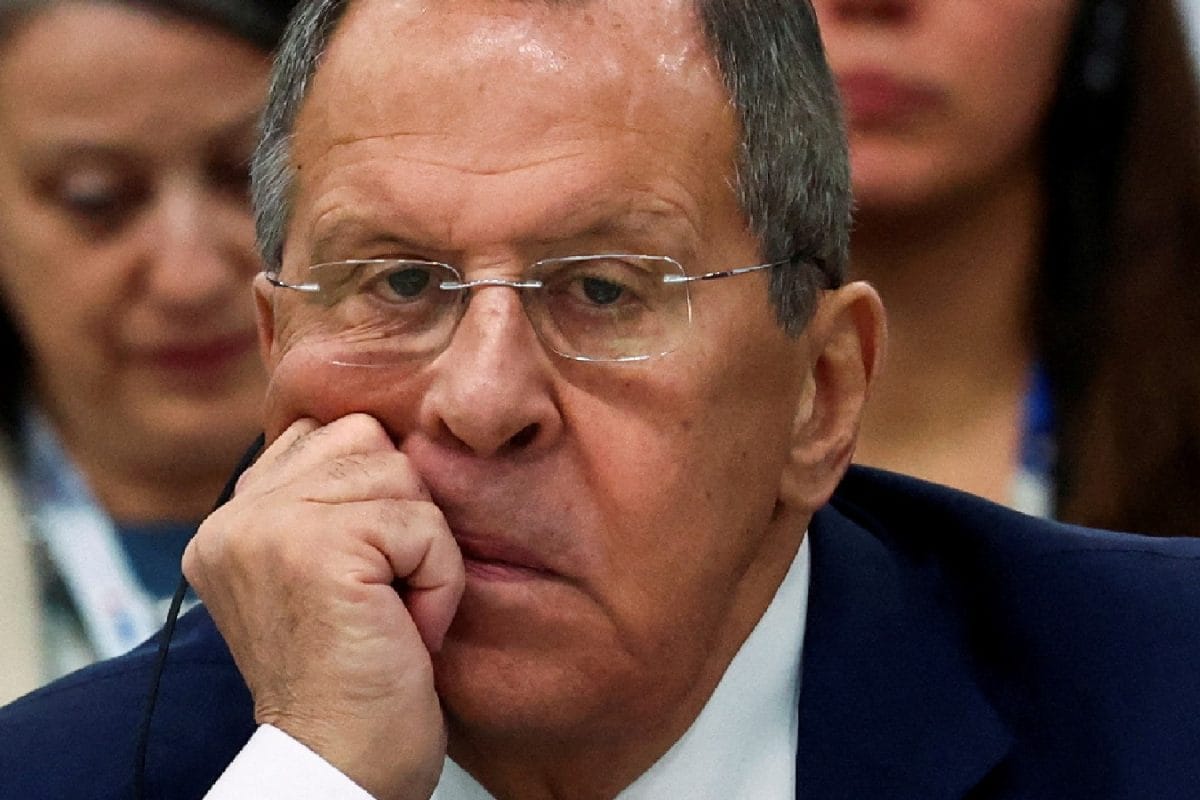
In a recent diplomatic salvo, Russian Foreign Minister Sergey Lavrov has accused European leaders of trading their national interests to support Ukraine, a move he claims deepens Europe's reliance on the United States. This accusation raises questions about the complex geopolitical dynamics at play and the potential consequences for Europe's strategic autonomy.
Lavrov's statement highlights a growing concern among some European politicians and analysts who argue that the continent's unity in supporting Ukraine might come at the expense of its own interests. As the Ukraine crisis persists, European countries have been grappling with the challenge of balancing their support for Ukraine's sovereignty and territorial integrity with the need to maintain economic stability and political cohesion at home. This delicate equilibrium is further complicated by the continent's historical ties with Russia and its energy dependence on the country.
The Russian minister's remarks come at a time when Europe is facing a critical juncture in its relationship with both Ukraine and Russia. The ongoing war has not only led to a surge in military aid and sanctions against Russia but has also exposed Europe's vulnerabilities, particularly its energy security. As European nations scramble to find alternatives to Russian energy, the continent's unity is being tested, with some countries advocating for a more cautious approach to avoid further economic turmoil.
With Lavrov's accusation, the focus shifts to the long-term implications for Europe's strategic autonomy. The continent's ability to navigate this crisis while preserving its interests will be a crucial test of its political and economic resilience. As the Ukraine conflict continues to evolve, European leaders must carefully consider their actions to ensure they are not sacrificing their long-term strategic goals for short-term alliances.
Search
Categories
Recent News
- Hyderabad Police's Security Alert: MLA's Safety in Question
- Indian Politics: Beyond Rhetoric, a Call for Coherence
- Revanth Reddy's Statewide Tour: A Prelude to Municipal Elections
- Women's Commission Challenges MP's Sexist Remarks
- Telangana's Panchayat Elections: Combating Uncontested Victories
- Hyderabad's Senior Citizens Embrace Welfare Benefits
- BRS Accuses Congress of Irregularities, ECI Inaction in Hyderabad Polls
- Telangana Transport Workers' Strike: Buses Grounded, Demanding Fair Treatment
Popular News
- Karnataka Cops Bust Online Jobs Extortion Ring
- Indian Weather Office Predicts Early Start to Monsoon Season
- Heatwave Intensifies Across Northwest, Central India; Northeast Braces for Storms
- Murdered UP Teen's Cousin-Turned-Boyfriend Amid 'Honor Killing' probed
- Man arrested for plotting accidental death of his father