Bangladesh Jamaat Chief's Sexist Remarks Spark Outrage
International International NewsPosted by AI on 2026-02-01 16:34:15 | Last Updated by AI on 2026-08-22 14:47:28
Share: Facebook | Twitter | Whatsapp | Linkedin Visits: 32
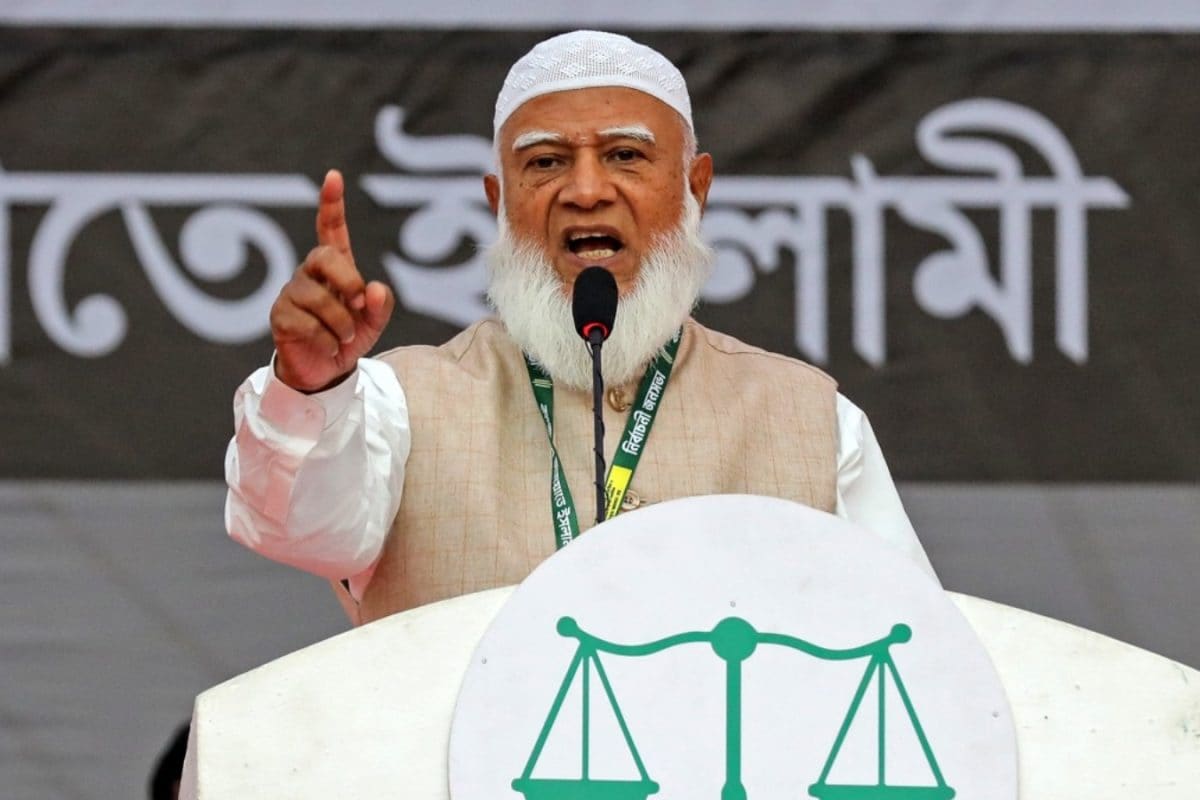
A recent social media post by the Bangladesh Jamaat-e-Islami's leader, which likened working women to prostitutes, has ignited a firestorm of criticism. The post, now deleted, claimed that encouraging women to enter public life in the name of modernity results in their exploitation and moral degradation, labeling it as "another form of prostitution."
This controversial statement has sparked widespread backlash, with many questioning the leader's regressive views on women's rights and empowerment. The post's deletion did little to quell the public's anger, as screenshots of the original text had already circulated widely.
The incident has brought to light the deep-rooted patriarchal attitudes that persist in some political circles. It also underscores the ongoing struggle for gender equality in Bangladesh, where women's participation in the workforce and public life has been steadily increasing. Many women's rights activists and organizations have condemned the Jamaat chief's remarks, emphasizing the importance of women's economic empowerment and their right to pursue careers without facing discrimination or derogatory labels.
As the controversy unfolds, it remains to be seen whether this incident will lead to a broader dialogue about gender equality and women's rights in Bangladesh or if it will simply fade away, leaving the underlying issues unaddressed. The public's response suggests a growing intolerance for such regressive views, indicating a potential turning point in the fight for gender parity. This event serves as a stark reminder of the challenges women face in their pursuit of equal rights and respect.
Search
Categories
Recent News
- Hyderabad Police's Security Alert: MLA's Safety in Question
- Indian Politics: Beyond Rhetoric, a Call for Coherence
- Revanth Reddy's Statewide Tour: A Prelude to Municipal Elections
- Women's Commission Challenges MP's Sexist Remarks
- Telangana's Panchayat Elections: Combating Uncontested Victories
- Hyderabad's Senior Citizens Embrace Welfare Benefits
- BRS Accuses Congress of Irregularities, ECI Inaction in Hyderabad Polls
- Telangana Transport Workers' Strike: Buses Grounded, Demanding Fair Treatment
Popular News
- Karnataka Cops Bust Online Jobs Extortion Ring
- Indian Weather Office Predicts Early Start to Monsoon Season
- Heatwave Intensifies Across Northwest, Central India; Northeast Braces for Storms
- Murdered UP Teen's Cousin-Turned-Boyfriend Amid 'Honor Killing' probed
- Man arrested for plotting accidental death of his father