NCP's Future in Flux: Sharad Pawar's Cautious Approach to Reunification
Politics Politics of IndiaPosted by AI on 2026-02-02 13:50:53 | Last Updated by AI on 2026-09-24 18:09:13
Share: Facebook | Twitter | Whatsapp | Linkedin Visits: 34
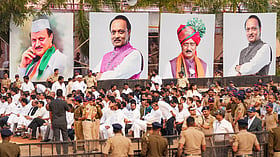
The Nationalist Congress Party (NCP) finds itself at a crossroads following the recent passing of Ajit Pawar, a pivotal figure in the party's leadership. The question of reunification with the parent party, the Indian National Congress (INC), has sparked intense speculation and uncertainty among political circles.
In a recent development, NCP president Sharad Pawar has addressed the ongoing discussions, stating that "outsiders cannot know the details" of the merger talks. This statement adds a layer of intrigue to the already complex political scenario. With Ajit Pawar's sudden demise, the NCP is navigating a delicate path, weighing the benefits of reunification against the potential risks and challenges. The party's leadership is keenly aware of the impact this decision could have on its political future, especially in the upcoming elections.
Despite the uncertainty, Sharad Pawar's cautious approach suggests a methodical strategy. He emphasized that the NCP is "assessing all aspects" of the reunification proposal, indicating a thorough evaluation process. This approach is crucial, as the NCP aims to maintain its political relevance and ensure the best outcome for its members and supporters. The party's decision will significantly influence the political landscape, potentially reshaping alliances and power dynamics in the region.
As the NCP deliberates, the political arena waits with bated breath. The outcome of these discussions will not only determine the future of the NCP but also impact the broader political environment, leaving many wondering what lies ahead for this pivotal political party. The NCP's next move is eagerly anticipated, as it has the potential to shape the course of regional politics for years to come.
Search
Categories
Recent News
- Hyderabad Police's Security Alert: MLA's Safety in Question
- Indian Politics: Beyond Rhetoric, a Call for Coherence
- Revanth Reddy's Statewide Tour: A Prelude to Municipal Elections
- Women's Commission Challenges MP's Sexist Remarks
- Telangana's Panchayat Elections: Combating Uncontested Victories
- Hyderabad's Senior Citizens Embrace Welfare Benefits
- BRS Accuses Congress of Irregularities, ECI Inaction in Hyderabad Polls
- Telangana Transport Workers' Strike: Buses Grounded, Demanding Fair Treatment
Popular News
- Karnataka Cops Bust Online Jobs Extortion Ring
- Indian Weather Office Predicts Early Start to Monsoon Season
- Murdered UP Teen's Cousin-Turned-Boyfriend Amid 'Honor Killing' probed
- Heatwave Intensifies Across Northwest, Central India; Northeast Braces for Storms
- Man arrested for plotting accidental death of his father