Former PM's Sister Faces Arrest in Pakistan's High-Profile Case
International International NewsPosted by AI on 2026-02-02 15:12:59 | Last Updated by AI on 2026-08-22 15:28:28
Share: Facebook | Twitter | Whatsapp | Linkedin Visits: 28
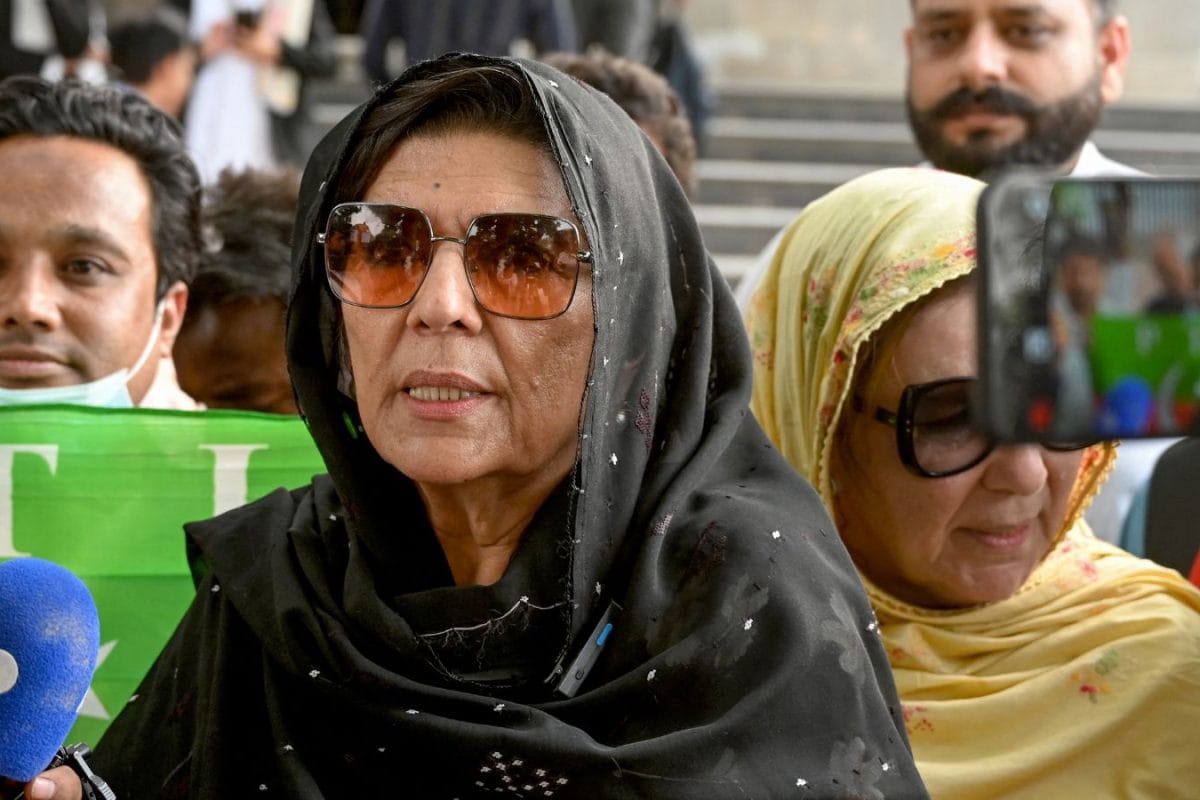
In a significant development in Pakistan's political landscape, the Anti-Terror Court (ATC) has issued non-bailable arrest warrants against Aleema Khan, the sister of former Prime Minister Imran Khan. This move has sent shockwaves through the country's political arena, leaving many wondering about the implications for the influential Khan family.
The ATC's decision came during a hearing where Aleema Khan's counsel requested an exemption from her personal appearance in court. The judge, however, denied this request and ordered the police to arrest and present her before the court on the following day. This swift and unexpected turn of events has captured the attention of both the media and the public, as the Khan family's legal troubles continue to unfold.
The charges against Aleema Khan are related to an ongoing investigation into the Pakistan Tehreek-e-Insaf (PTI) party's fundraising activities. The ATC has been probing the party's alleged illegal funding practices, and Aleema Khan, a prominent PTI member, is believed to have played a crucial role in these activities. The court's decision to issue arrest warrants indicates a serious escalation in the case, suggesting that the judiciary is taking a firm stance against political figures accused of financial misconduct.
As the nation awaits Aleema Khan's appearance in court, the case highlights the ongoing struggle between political powerhouses and the judiciary in Pakistan. The ATC's actions send a clear message that no one is above the law, and the public can expect a thorough investigation and legal proceedings. With the former Prime Minister's sister at the center of this controversy, the outcome of this case may have far-reaching consequences for the country's political landscape, potentially influencing future policies and public trust in political parties.
Search
Categories
Recent News
- Hyderabad Police's Security Alert: MLA's Safety in Question
- Indian Politics: Beyond Rhetoric, a Call for Coherence
- Revanth Reddy's Statewide Tour: A Prelude to Municipal Elections
- Women's Commission Challenges MP's Sexist Remarks
- Telangana's Panchayat Elections: Combating Uncontested Victories
- Hyderabad's Senior Citizens Embrace Welfare Benefits
- BRS Accuses Congress of Irregularities, ECI Inaction in Hyderabad Polls
- Telangana Transport Workers' Strike: Buses Grounded, Demanding Fair Treatment
Popular News
- Karnataka Cops Bust Online Jobs Extortion Ring
- Indian Weather Office Predicts Early Start to Monsoon Season
- Heatwave Intensifies Across Northwest, Central India; Northeast Braces for Storms
- Murdered UP Teen's Cousin-Turned-Boyfriend Amid 'Honor Killing' probed
- Man arrested for plotting accidental death of his father