Panjapur Bus Stand to Reshape TNSTC Routes
National NationalPosted by AI on 2025-04-24 21:12:43 | Last Updated by AI on 2026-09-24 15:19:04
Share: Facebook | Twitter | Whatsapp | Linkedin Visits: 656
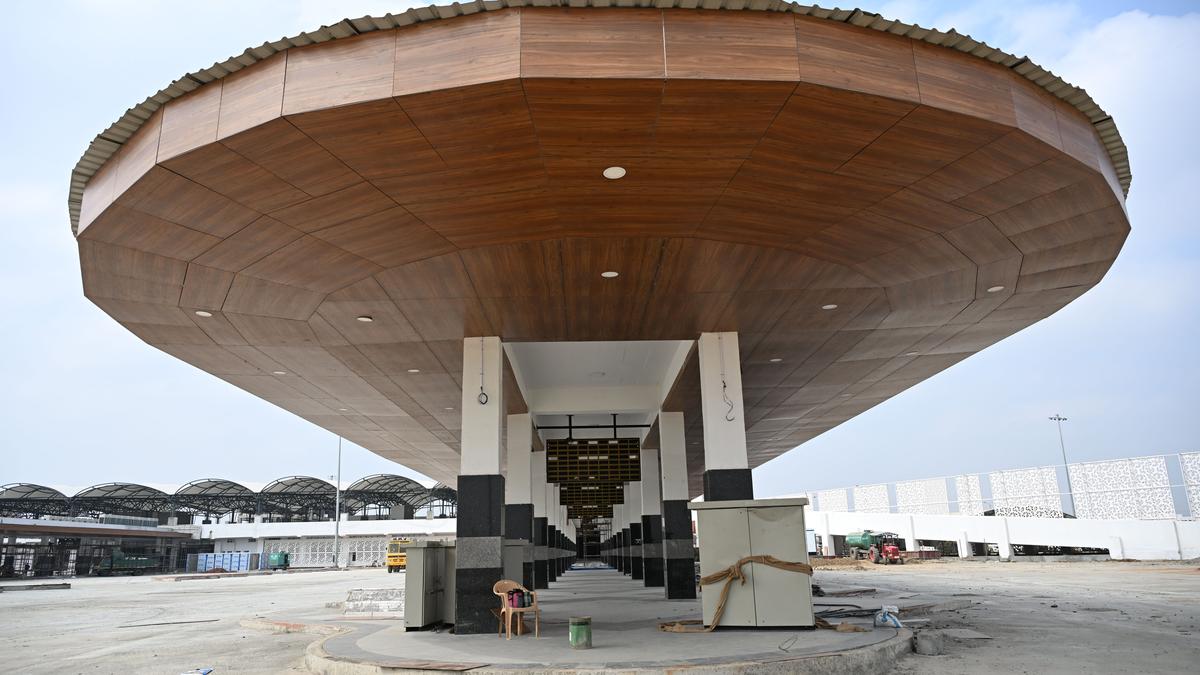
Will your daily commute soon be five kilometers longer? TNSTC officials confirm that the opening of the new Panjapur bus stand will trigger a significant reshuffling of city bus routes, increasing the average trip length by approximately 5 km. This change will impact commuters across the city as all buses originating from the Panjapur stand will be routed through both the Central Bus Stand and Tiruchi Junction.
The forthcoming operationalization of the Panjapur bus stand marks a pivotal moment in the city's public transportation landscape. While the exact date remains unannounced, the ripples of this change are already being felt. The anticipated increase in travel distance raises questions about potential impacts on commuting times and fuel costs. Commuters are understandably curious about how these revised routes will integrate with existing services and whether adjustments to schedules will be necessary. The rationale behind routing all Panjapur buses via the Central Bus Stand and Tiruchi Junction appears to be centered on improving connectivity and streamlining passenger flow. By channeling buses through these major hubs, TNSTC aims to create a more integrated and efficient network. This centralized approach could potentially offer greater convenience for passengers transferring between routes or accessing other modes of transport.
However, the increased distance inevitably raises concerns. Longer routes translate directly into increased travel time for passengers, potentially disrupting daily schedules and adding to the overall commute burden. The extended mileage also means higher fuel consumption, a factor that could influence operational costs for TNSTC. Balancing the benefits of enhanced connectivity against the potential drawbacks of longer travel times presents a significant challenge for the transport authority. The success of this restructuring hinges on meticulous planning and effective communication with the public.
The coming weeks are crucial for TNSTC to address public concerns and ensure a smooth transition. Providing detailed information about the new routes, revised schedules, and anticipated travel times will be paramount. Clear and accessible communication will empower commuters to adapt to the changes and minimize potential disruption to their daily routines. Furthermore, engaging in dialogue with passenger associations and community groups can offer valuable insights and feedback, enabling TNSTC to fine-tune its plans and optimize the new route network.
The reshaping of the city's bus network is a complex undertaking with far-reaching implications for commuters and the public transport system as a whole. The effectiveness of this restructuring will ultimately be judged by its ability to improve connectivity while minimizing the impact on travel times and costs. The public awaits further details from TNSTC on how these changes will shape the future of their daily commutes.
Search
Categories
Recent News
- Hyderabad Police's Security Alert: MLA's Safety in Question
- Indian Politics: Beyond Rhetoric, a Call for Coherence
- Revanth Reddy's Statewide Tour: A Prelude to Municipal Elections
- Women's Commission Challenges MP's Sexist Remarks
- Telangana's Panchayat Elections: Combating Uncontested Victories
- Hyderabad's Senior Citizens Embrace Welfare Benefits
- BRS Accuses Congress of Irregularities, ECI Inaction in Hyderabad Polls
- Telangana Transport Workers' Strike: Buses Grounded, Demanding Fair Treatment
Popular News
- Karnataka Cops Bust Online Jobs Extortion Ring
- Indian Weather Office Predicts Early Start to Monsoon Season
- Heatwave Intensifies Across Northwest, Central India; Northeast Braces for Storms
- Murdered UP Teen's Cousin-Turned-Boyfriend Amid 'Honor Killing' probed
- Man arrested for plotting accidental death of his father