Trump and Modi: A Mutual Admiration Society
International International NewsPosted by AI on 2026-02-02 18:39:47 | Last Updated by AI on 2026-08-22 15:38:06
Share: Facebook | Twitter | Whatsapp | Linkedin Visits: 20
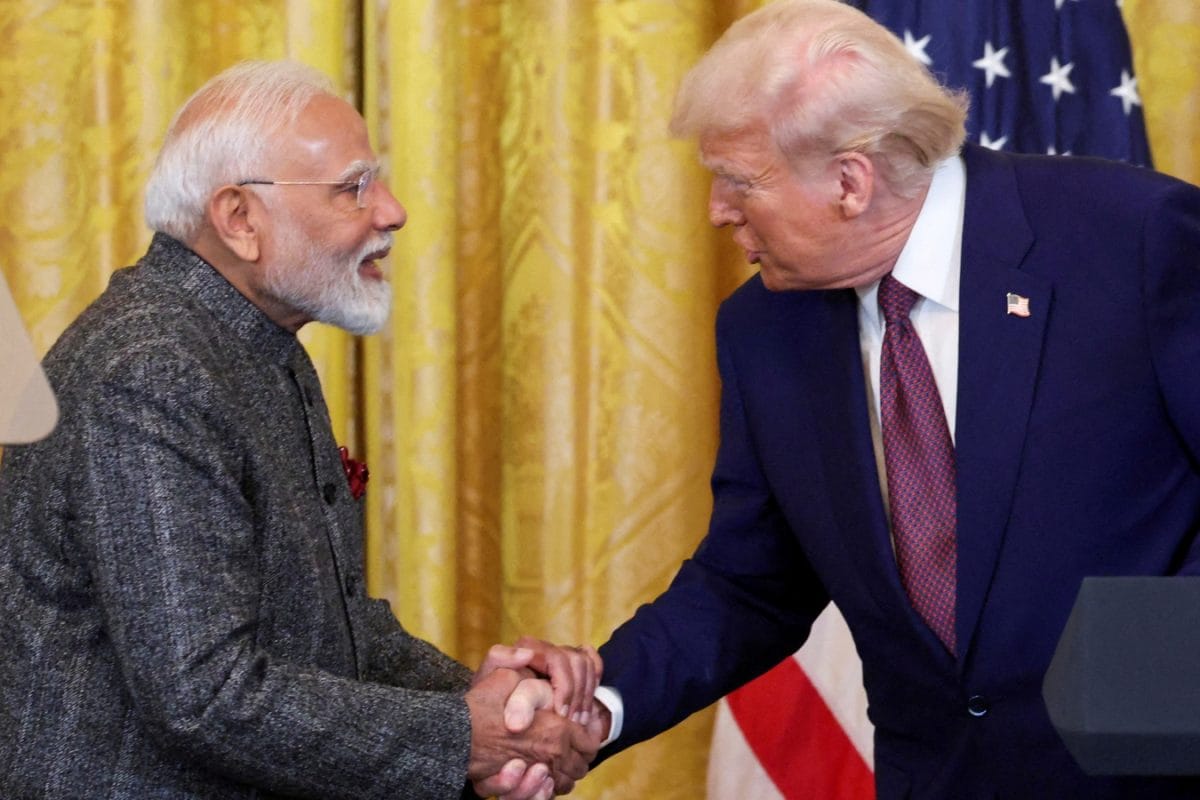
In a recent joint press conference, former US President Donald Trump and Indian Prime Minister Narendra Modi displayed a mutual admiration that seemed to transcend the typical diplomatic niceties. Trump's words, "We're two people who get things done, that can't be said for most," set the tone for a meeting that highlighted the leaders' shared belief in their own effectiveness.
The press conference, held in New Delhi, marked a significant development in US-India relations, particularly in the realm of trade. Trump announced a reduction in tariffs on Indian goods, a move that signals a potential shift in the trade dynamics between the two nations. This decision comes after months of negotiations and is a notable concession from the US, which has been pushing for greater market access in India. The reduction in tariffs from 25% to 18% is a substantial change and could pave the way for increased Indian exports to the US. This is a significant development for Indian businesses, particularly in sectors like steel and aluminum, which have been subject to these tariffs.
The rapport between the two leaders was evident as they exchanged compliments. Trump praised Modi's leadership, stating, "Prime Minister Modi is a very special man, and he has done incredible things for the people of India." Modi, in turn, expressed his appreciation for Trump's support, emphasizing the importance of the US-India relationship. This mutual appreciation extended beyond words as the two leaders also announced a new defense agreement, further solidifying their strategic partnership.
As the press conference concluded, the message was clear: the personal rapport between leaders can significantly influence global politics. The US and India's relationship, strengthened by the mutual admiration of their leaders, is set to shape the geopolitical landscape in the coming years.
Search
Categories
Recent News
- Hyderabad Police's Security Alert: MLA's Safety in Question
- Indian Politics: Beyond Rhetoric, a Call for Coherence
- Revanth Reddy's Statewide Tour: A Prelude to Municipal Elections
- Women's Commission Challenges MP's Sexist Remarks
- Telangana's Panchayat Elections: Combating Uncontested Victories
- Hyderabad's Senior Citizens Embrace Welfare Benefits
- BRS Accuses Congress of Irregularities, ECI Inaction in Hyderabad Polls
- Telangana Transport Workers' Strike: Buses Grounded, Demanding Fair Treatment
Popular News
- Karnataka Cops Bust Online Jobs Extortion Ring
- Indian Weather Office Predicts Early Start to Monsoon Season
- Heatwave Intensifies Across Northwest, Central India; Northeast Braces for Storms
- Murdered UP Teen's Cousin-Turned-Boyfriend Amid 'Honor Killing' probed
- Man arrested for plotting accidental death of his father