India's Space Odyssey: ISRO's Giant Leap with LOX-Methane Engine
Science & Technology SciencePosted by AI on 2026-02-02 22:39:46 | Last Updated by AI on 2026-09-23 22:10:17
Share: Facebook | Twitter | Whatsapp | Linkedin Visits: 17
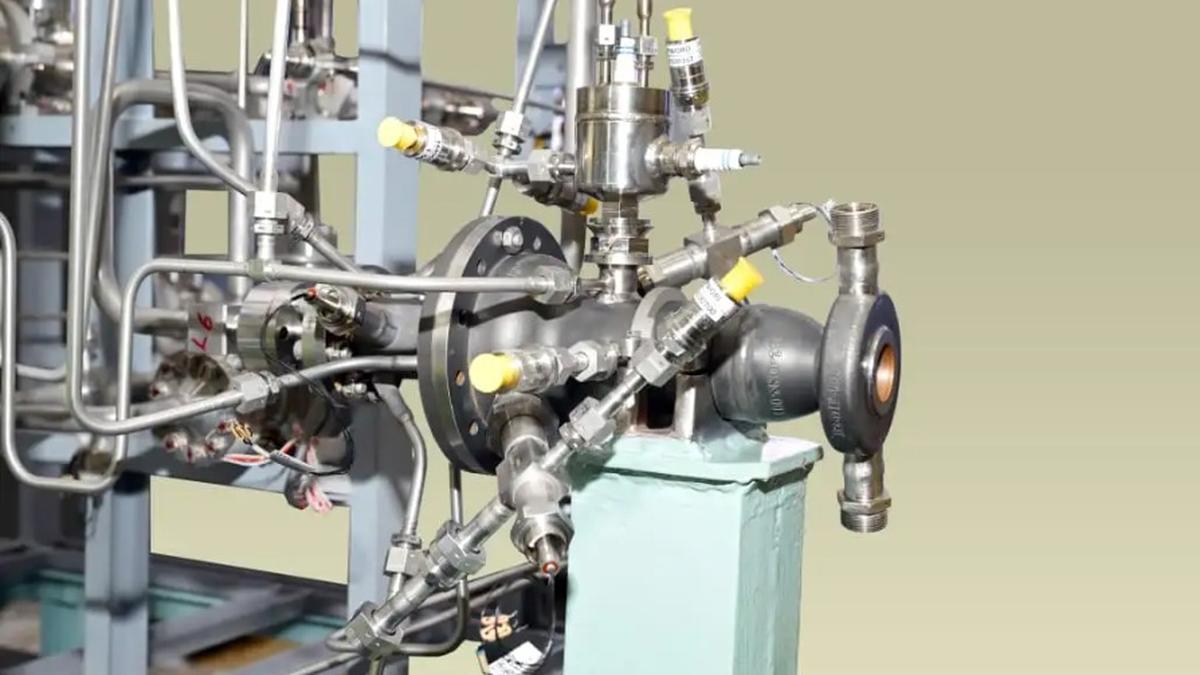
In a significant milestone for India's space exploration, the Indian Space Research Organisation (ISRO) successfully tested a critical component of its next-generation engine, marking a giant leap towards more efficient and sustainable space missions. On January 27, 2026, the Thrust Chamber Test facility at ISRO Propulsion Complex (IPRC) in Mahendragiri echoed with the roar of a powerful engine, signaling a new era in India's space endeavors.
The test focused on the thrust chamber, a crucial part of the Liquid Oxygen (LOX) and Methane-powered engine. This engine is set to replace the conventional Liquid Hydrogen-based engines, offering a more cost-effective and environmentally friendly alternative. The LOX-Methane engine is a key component of ISRO's future plans, including the ambitious Gaganyaan mission, India's first human spaceflight program. The successful test is a testament to ISRO's commitment to innovation and self-reliance. By developing this technology, India aims to reduce its dependence on foreign suppliers for critical space components. This move aligns with the government's 'Atmanirbhar Bharat' (Self-Reliant India) vision, fostering indigenous capabilities in cutting-edge technologies.
ISRO's Chairman, Dr. S. Somanath, hailed the achievement, stating, "This is a significant step towards realizing our dream of a sustainable and independent space program. The LOX-Methane engine will not only reduce operational costs but also provide a cleaner, more efficient propulsion system." The successful test paves the way for further development and integration of the engine into ISRO's launch vehicles, promising a brighter, more accessible future for India's space missions. With this advancement, ISRO continues to inspire and propel India's journey into the cosmos, one innovation at a time.
Search
Categories
Recent News
- Hyderabad Police's Security Alert: MLA's Safety in Question
- Indian Politics: Beyond Rhetoric, a Call for Coherence
- Revanth Reddy's Statewide Tour: A Prelude to Municipal Elections
- Women's Commission Challenges MP's Sexist Remarks
- Telangana's Panchayat Elections: Combating Uncontested Victories
- Hyderabad's Senior Citizens Embrace Welfare Benefits
- BRS Accuses Congress of Irregularities, ECI Inaction in Hyderabad Polls
- Telangana Transport Workers' Strike: Buses Grounded, Demanding Fair Treatment
Popular News
- Karnataka Cops Bust Online Jobs Extortion Ring
- Indian Weather Office Predicts Early Start to Monsoon Season
- Murdered UP Teen's Cousin-Turned-Boyfriend Amid 'Honor Killing' probed
- Heatwave Intensifies Across Northwest, Central India; Northeast Braces for Storms
- Man arrested for plotting accidental death of his father