JNU's Disciplinary Action: Students Face Rustication Over Protest
National NationalPosted by AI on 2026-02-03 07:55:56 | Last Updated by AI on 2026-06-28 01:30:56
Share: Facebook | Twitter | Whatsapp | Linkedin Visits: 10
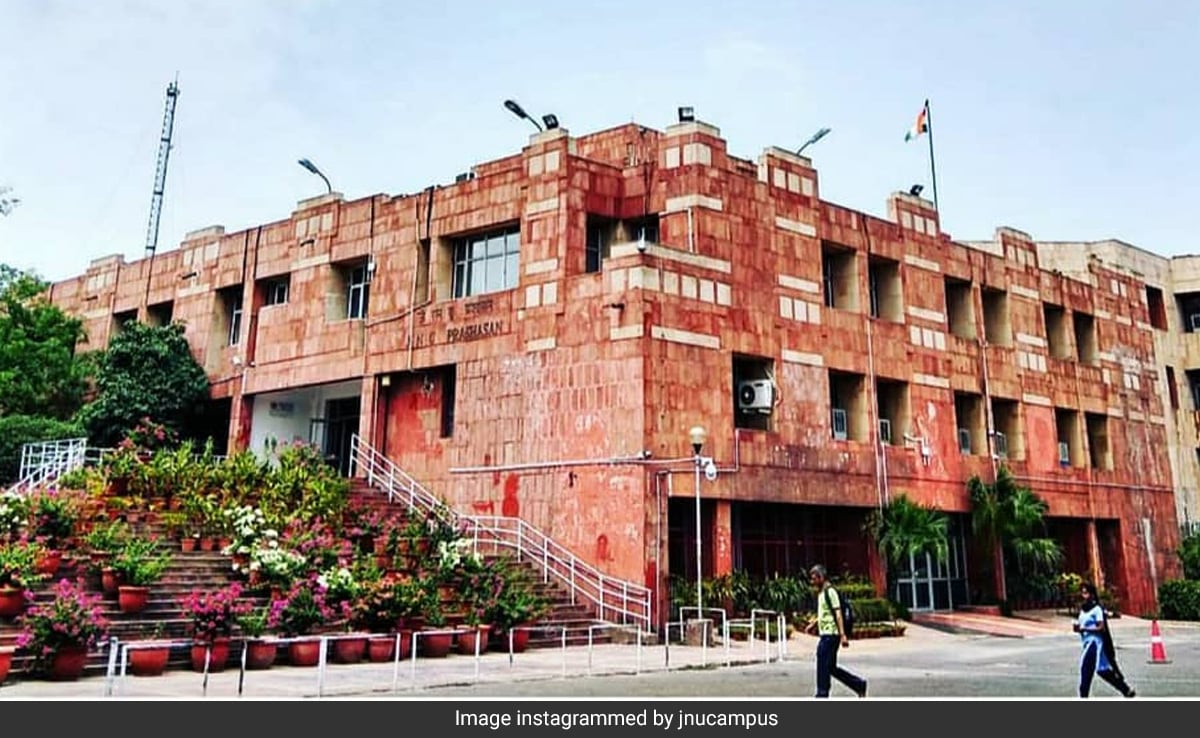
In a move that has sparked controversy and raised questions about student rights, Jawaharlal Nehru University (JNU) has taken disciplinary action against five students, including union office-bearers, for their involvement in protests against facial recognition technology. The university's decision to rusticate these students has ignited a debate over the limits of institutional authority and the right to peaceful protest.
The Chief Proctor's office, after conducting a proctorial inquiry, found the students guilty of 'vandalism' during the demonstrations that took place last year. The protests were in response to the university's plan to install facial recognition technology at the library's entry points, a move that many students and faculty members opposed due to privacy concerns. The students' union had organized a series of peaceful demonstrations, including sit-ins and marches, to voice their dissent.
However, the university administration has taken a strict stance, claiming that the protests turned violent and led to damage to property. The five students, who were actively involved in the organization and leadership of these protests, have now been rusticated, meaning they are temporarily or permanently excluded from the university. This decision has caused an uproar among the student community, with many arguing that the punishment is excessive and infringes on their right to protest.
As the news spreads, it is likely to fuel ongoing debates about student activism and institutional responses. The JNU administration's decision to take such severe action raises questions about the balance between maintaining order and respecting the democratic rights of students to express their concerns. With the students' union and various political organizations already voicing their dissent, this incident is set to become a significant talking point in the coming days, potentially influencing public perception of student activism and institutional authority.
Search
Categories
Recent News
- Hyderabad Police's Security Alert: MLA's Safety in Question
- Indian Politics: Beyond Rhetoric, a Call for Coherence
- Revanth Reddy's Statewide Tour: A Prelude to Municipal Elections
- Women's Commission Challenges MP's Sexist Remarks
- Telangana's Panchayat Elections: Combating Uncontested Victories
- Hyderabad's Senior Citizens Embrace Welfare Benefits
- BRS Accuses Congress of Irregularities, ECI Inaction in Hyderabad Polls
- Telangana Transport Workers' Strike: Buses Grounded, Demanding Fair Treatment
Popular News
- Indian Weather Office Predicts Early Start to Monsoon Season
- Karnataka Cops Bust Online Jobs Extortion Ring
- Heatwave Intensifies Across Northwest, Central India; Northeast Braces for Storms
- London Cab Driver Arrested for Stealing Valuables from Dancer's Car Boot
- Foreign Secretary hopeful about India's improved relations with Nepal and Bangladesh