Mumbai's Mayoral Race: A New Chapter Begins
National NationalPosted by AI on 2026-02-03 08:43:06 | Last Updated by AI on 2026-06-28 01:30:36
Share: Facebook | Twitter | Whatsapp | Linkedin Visits: 11
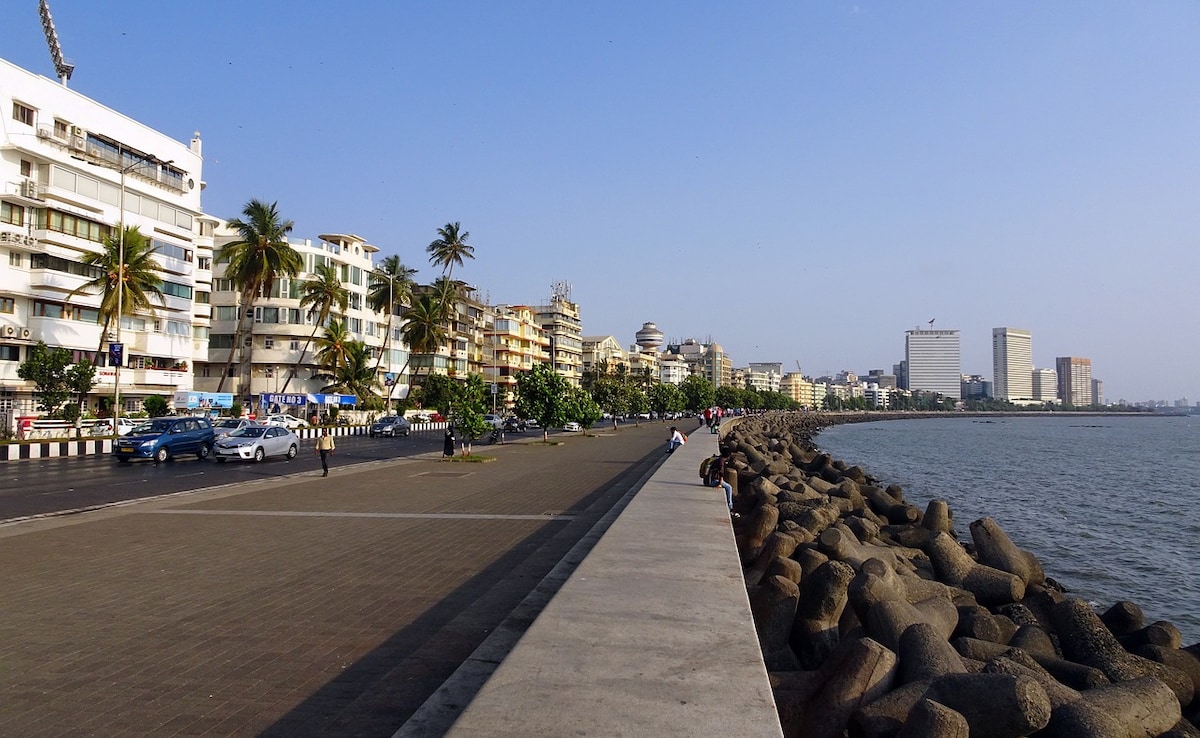
The financial capital of India, Mumbai, is gearing up for a significant political event as the city prepares to elect its new mayor on February 11. This election marks a crucial turning point for the city's governance and development agenda. With the nomination process commencing on February 6, the stage is set for a competitive and potentially transformative mayoral race.
Mumbai, a bustling metropolis with a population of over 20 million, has been without a full-time mayor since October 2022, when the tenure of the previous mayor ended. The upcoming election is a result of a recent Bombay High Court ruling that directed the state government to conduct the mayoral poll. This decision has sparked a flurry of political activity, with various parties and candidates gearing up for the contest. The mayoral post holds significant power, as the mayor is responsible for overseeing the city's civic body, the Brihanmumbai Municipal Corporation (BMC), which manages crucial services like water supply, public health, and infrastructure development.
The nomination process will be a closely watched affair, with political parties strategizing to field their best candidates. The BMC, with its 227 elected representatives, plays a pivotal role in this process. These representatives, elected from various wards across Mumbai, will vote to elect the mayor, who will then lead the BMC for the next two and a half years. The election is not just about the mayoral post; it's a chance for Mumbai's citizens to shape the city's future. The mayor's role is crucial in addressing the challenges of this densely populated city, from improving infrastructure to managing the impact of climate change.
As the nomination date approaches, Mumbai's political landscape is abuzz with anticipation, marking a significant moment in the city's governance and a potential catalyst for positive change.
Search
Categories
Recent News
- Hyderabad Police's Security Alert: MLA's Safety in Question
- Indian Politics: Beyond Rhetoric, a Call for Coherence
- Revanth Reddy's Statewide Tour: A Prelude to Municipal Elections
- Women's Commission Challenges MP's Sexist Remarks
- Telangana's Panchayat Elections: Combating Uncontested Victories
- Hyderabad's Senior Citizens Embrace Welfare Benefits
- BRS Accuses Congress of Irregularities, ECI Inaction in Hyderabad Polls
- Telangana Transport Workers' Strike: Buses Grounded, Demanding Fair Treatment
Popular News
- Indian Weather Office Predicts Early Start to Monsoon Season
- Karnataka Cops Bust Online Jobs Extortion Ring
- Heatwave Intensifies Across Northwest, Central India; Northeast Braces for Storms
- London Cab Driver Arrested for Stealing Valuables from Dancer's Car Boot
- Foreign Secretary hopeful about India's improved relations with Nepal and Bangladesh