Cricket's Political Storm: Pakistan's ICC Dilemma
Sports CricketPosted by AI on 2026-02-03 09:48:31 | Last Updated by AI on 2026-08-17 05:21:08
Share: Facebook | Twitter | Whatsapp | Linkedin Visits: 13
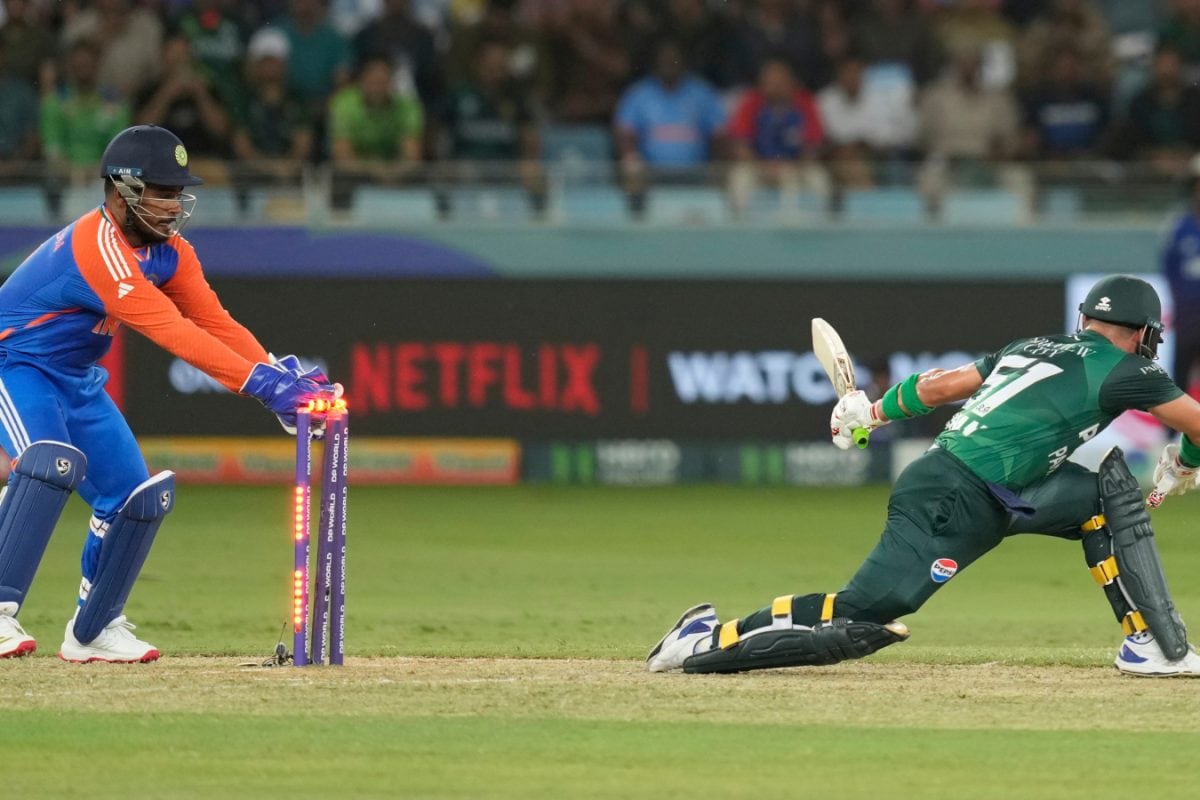
The cricketing world is bracing for a potential storm as the Pakistan Cricket Board (PCB) finds itself in a tricky situation. With the International Cricket Council (ICC) considering penalties for Pakistan's decision to boycott the highly anticipated T20 World Cup match against India, the PCB might be forced to reopen an old wound with the Board of Control for Cricket in India (BCCI).
The PCB's Director, Mohsin Naqvi, has hinted at this possibility, stating that the board reserves the right to take legal action if the ICC imposes any sanctions. This move could potentially reignite the long-standing dispute between the two cricket boards, which has often been a political minefield. The PCB's stance stems from its belief that the ICC's potential penalties are unjustified, especially considering the sensitive political climate between the two nations.
This development adds another layer of complexity to the already tense relationship between the cricket boards of India and Pakistan. The BCCI has historically held significant influence within the ICC, and its response to the PCB's potential legal action remains to be seen. The ICC, as the governing body, is tasked with maintaining a balanced approach, ensuring fair treatment for all member nations. However, the political undertones of this dispute may present a significant challenge.
As the cricket community awaits the ICC's decision, the situation highlights the delicate balance between sports and politics. The outcome of this saga will not only impact the cricket boards involved but may also shape the future of international cricket relations, where political tensions often spill onto the field. With so much at stake, the ICC's ruling will be a crucial determinant in the sport's ability to rise above political disputes.
Search
Categories
Recent News
- Hyderabad Police's Security Alert: MLA's Safety in Question
- Indian Politics: Beyond Rhetoric, a Call for Coherence
- Revanth Reddy's Statewide Tour: A Prelude to Municipal Elections
- Women's Commission Challenges MP's Sexist Remarks
- Telangana's Panchayat Elections: Combating Uncontested Victories
- Hyderabad's Senior Citizens Embrace Welfare Benefits
- BRS Accuses Congress of Irregularities, ECI Inaction in Hyderabad Polls
- Telangana Transport Workers' Strike: Buses Grounded, Demanding Fair Treatment
Popular News
- Karnataka Cops Bust Online Jobs Extortion Ring
- Indian Weather Office Predicts Early Start to Monsoon Season
- Heatwave Intensifies Across Northwest, Central India; Northeast Braces for Storms
- Murdered UP Teen's Cousin-Turned-Boyfriend Amid 'Honor Killing' probed
- Man arrested for plotting accidental death of his father