PSL Broadcast Crew Stranded: Visa Crisis After Pahalgam Attacks
Sports CricketPosted by AI on 2025-04-25 00:11:29 | Last Updated by AI on 2026-08-17 00:26:29
Share: Facebook | Twitter | Whatsapp | Linkedin Visits: 38
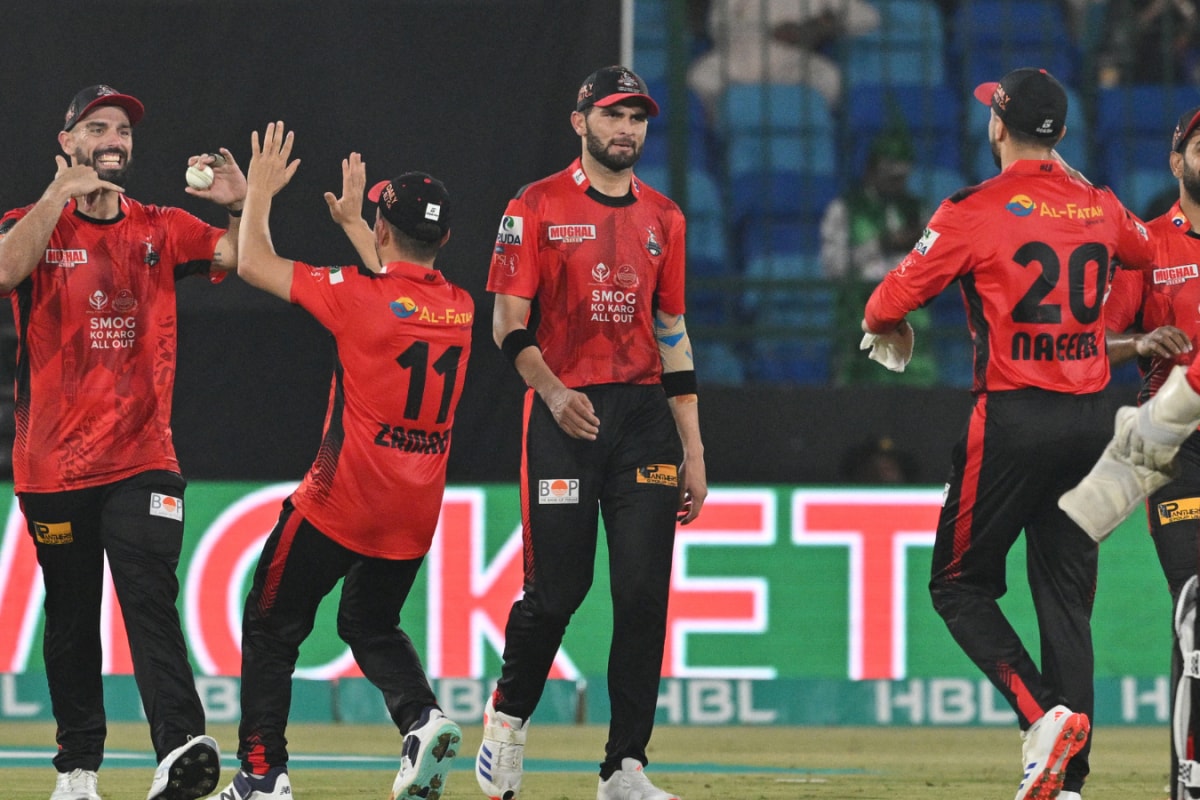
Twelve Indian nationals, part of the broadcast crew for the Pakistan Super League (PSL), find themselves in a precarious situation, stranded in Pakistan following escalating tensions in the wake of attacks in Pahalgam. The incident has sparked a visa crisis, leaving the crew's return to India uncertain. The attacks, the details of which are still emerging, have significantly strained relations between the two countries, impacting cross-border travel and raising security concerns. The crew, essential to bringing the PSL to audiences in India, now faces an anxious wait as diplomatic channels work to resolve the impasse.
The incident underscores the often-fragile nature of India-Pakistan relations. Sporting events, often seen as a bridge between nations, can become collateral damage when political tensions flare. The PSL, a major cricket tournament attracting a large viewership in both countries, has unfortunately been caught in the crossfire. The Indian broadcast crew, after completing their professional commitments, now find their travel plans disrupted, highlighting the human cost of such geopolitical events. Their families back in India are understandably concerned about their well-being and swift return. The situation is further complicated by the logistical challenges involved in repatriating the crew amidst heightened security and travel restrictions.
The Board of Control for Cricket in India (BCCI) and the Pakistan Cricket Board (PCB) are reportedly in communication with their respective governments to find a solution. The safety and well-being of the crew are paramount, and all parties involved are working to ensure their safe and expeditious return to India. The incident has also raised questions about the future of bilateral sporting engagements between the two countries. The incident is a stark reminder of how quickly geopolitical events can escalate, impacting various sectors, including sports and media.
The stranded crews situation remains fluid, with developments unfolding rapidly. The focus now shifts to diplomatic efforts and negotiations aimed at securing the necessary travel documents and facilitating their return. While the future remains uncertain, the hope is that a resolution can be found swiftly, allowing the crew to return home safely and bringing an end to their unexpected ordeal. This incident serves as a poignant reminder of the human impact of political tensions and the need for continued dialogue and diplomatic solutions to navigate such challenging circumstances.
Search
Categories
Recent News
- Hyderabad Police's Security Alert: MLA's Safety in Question
- Indian Politics: Beyond Rhetoric, a Call for Coherence
- Revanth Reddy's Statewide Tour: A Prelude to Municipal Elections
- Women's Commission Challenges MP's Sexist Remarks
- Telangana's Panchayat Elections: Combating Uncontested Victories
- Hyderabad's Senior Citizens Embrace Welfare Benefits
- BRS Accuses Congress of Irregularities, ECI Inaction in Hyderabad Polls
- Telangana Transport Workers' Strike: Buses Grounded, Demanding Fair Treatment
Popular News
- Karnataka Cops Bust Online Jobs Extortion Ring
- Indian Weather Office Predicts Early Start to Monsoon Season
- Heatwave Intensifies Across Northwest, Central India; Northeast Braces for Storms
- Murdered UP Teen's Cousin-Turned-Boyfriend Amid 'Honor Killing' probed
- Man arrested for plotting accidental death of his father