Three Women Naxals Killed in Chhattisgarh Encounter
National NationalPosted by AI on 2025-04-25 00:27:21 | Last Updated by AI on 2026-09-24 16:02:50
Share: Facebook | Twitter | Whatsapp | Linkedin Visits: 28
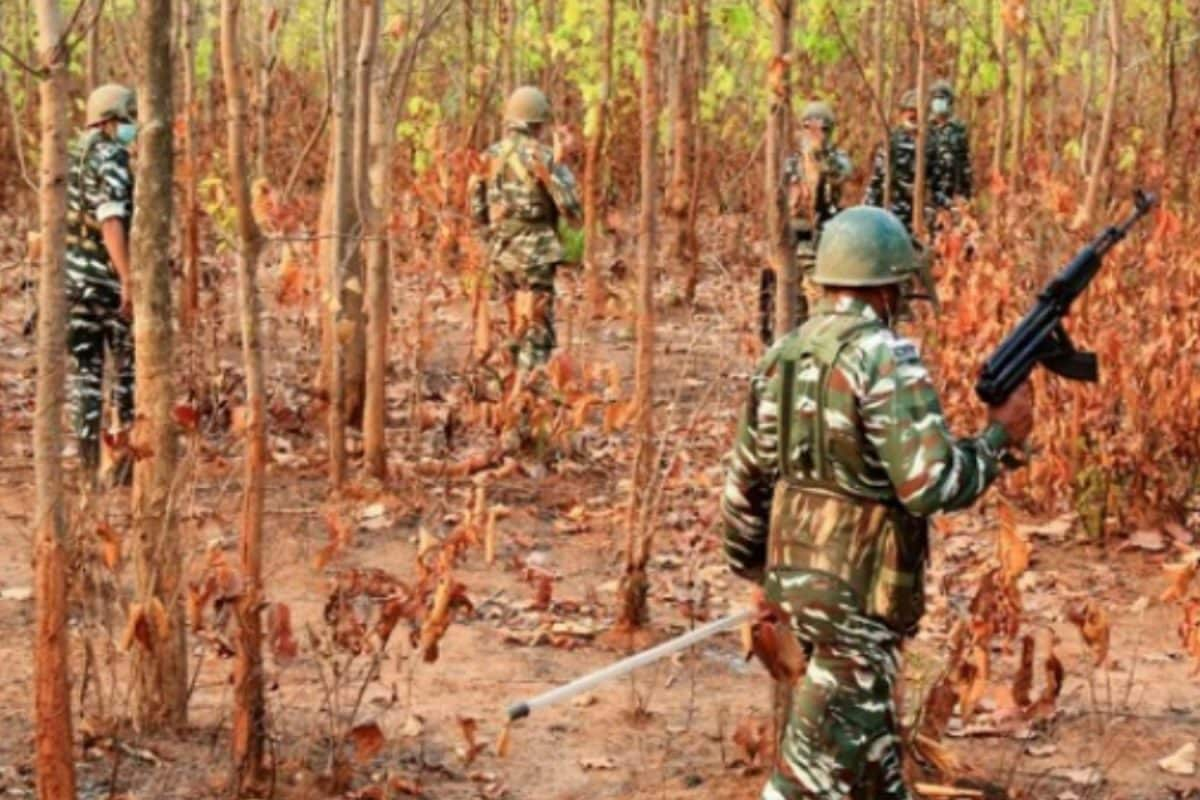
How far will the fight against Naxalism go? In a recent development following a massive operation launched by security forces against Maoists in Chhattisgarh, the bodies of three women Naxalites, clad in uniform, have been recovered from the encounter site, along with their weapons. This incident underscores the ongoing, often deadly, conflict between government forces and Naxalite insurgents in the region.
The Chhattisgarh region has long been a hotbed of Naxalite activity, with the dense forests and remote villages providing a haven for the rebels. The security forces have been engaged in sustained operations to counter the Maoist insurgency, but the terrain and the guerrillas' tactical advantages often make it a difficult and dangerous task. The recent operation, the scale of which has not been specified, clearly aimed to disrupt Naxalite activities in the area, and the discovery of the deceased women suggests a direct confrontation. While the specific details surrounding the encounter remain scarce, the presence of uniforms on the deceased raises questions about their roles within the Naxalite organization. Were they combatants actively participating in the firefight or were they performing other functions within the group? This information is crucial for understanding the dynamics of the encounter itself and the larger Naxalite movement. The recovery of weapons alongside the bodies further underscores the armed nature of the conflict, a stark reminder of the volatile situation in the affected areas.
The deaths of these three women bring the human cost of this protracted conflict into sharp focus. While information about their identities and backgrounds has not yet been released, their involvement highlights the complex nature of Naxalism, which draws recruits from marginalized communities often grappling with poverty, landlessness, and lack of access to basic services. The incident is likely to further fuel the debate on how best to address the root causes of the insurgency while simultaneously maintaining security and stability in the region. The governments strategy has often involved a combination of military operations and developmental initiatives aimed at winning over the hearts and minds of the local population. However, achieving a lasting peace remains a formidable challenge.
The next steps will likely involve a thorough investigation into the circumstances of the encounter, including efforts to identify the deceased women and establish the sequence of events that led to their deaths. This investigation is crucial for ensuring transparency and accountability in a conflict that often occurs in remote and inaccessible areas. The incident also serves as a grim reminder of the ongoing challenges faced by security forces and the complex human tragedies that continue to unfold in the fight against Naxalism in Chhattisgarh. It underscores the urgent need for a comprehensive and multi-pronged approach to address the underlying socio-economic issues that fuel the insurgency while simultaneously working towards a peaceful resolution to the conflict.
Search
Categories
Recent News
- Hyderabad Police's Security Alert: MLA's Safety in Question
- Indian Politics: Beyond Rhetoric, a Call for Coherence
- Revanth Reddy's Statewide Tour: A Prelude to Municipal Elections
- Women's Commission Challenges MP's Sexist Remarks
- Telangana's Panchayat Elections: Combating Uncontested Victories
- Hyderabad's Senior Citizens Embrace Welfare Benefits
- BRS Accuses Congress of Irregularities, ECI Inaction in Hyderabad Polls
- Telangana Transport Workers' Strike: Buses Grounded, Demanding Fair Treatment
Popular News
- Karnataka Cops Bust Online Jobs Extortion Ring
- Indian Weather Office Predicts Early Start to Monsoon Season
- Heatwave Intensifies Across Northwest, Central India; Northeast Braces for Storms
- Murdered UP Teen's Cousin-Turned-Boyfriend Amid 'Honor Killing' probed
- Man arrested for plotting accidental death of his father