Retail's Future: Blending Bricks and Clicks
National NationalPosted by AI on 2025-04-25 00:35:22 | Last Updated by AI on 2026-09-24 16:52:52
Share: Facebook | Twitter | Whatsapp | Linkedin Visits: 49
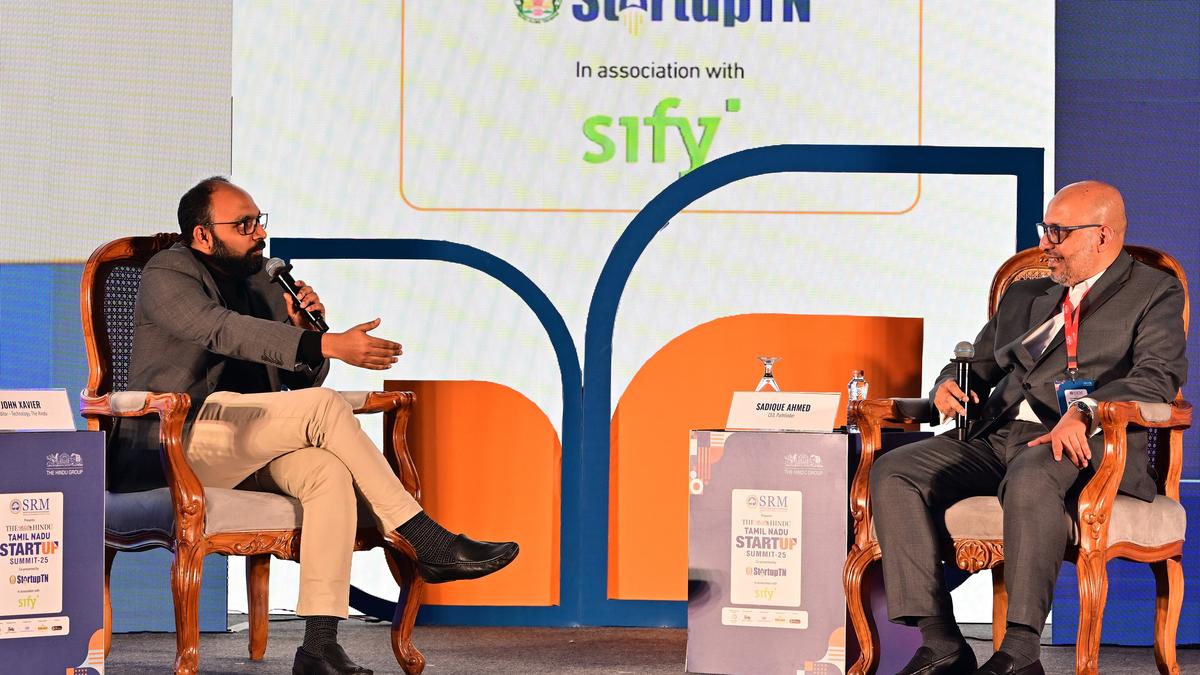
"The future of retail isn't either/or, it's and." This sentiment, echoing across the retail landscape, underscores the increasing necessity for businesses to seamlessly integrate their physical and digital presence. No longer can retailers afford to prioritize one over the other; the modern consumer demands a unified, omnichannel experience that blends the convenience of online shopping with the tangible satisfaction of a brick-and-mortar store.
The rise of e-commerce giants like Amazon has undoubtedly disrupted traditional retail, forcing businesses to adapt or perish. However, physical stores are far from obsolete. They offer a unique opportunity for brands to connect with customers on a personal level, providing a tactile experience that online shopping simply cannot replicate. Think of the carefully curated displays in an Apple store, the personalized consultations at a Sephora, or the community-building events at a local bookstore. These are experiences that resonate with consumers and foster brand loyalty.
The challenge, then, lies in bridging the gap between the physical and digital realms. Retailers are increasingly investing in technologies and strategies that create a seamless omnichannel experience. "Buy online, pick up in store" (BOPIS) has become a popular option, offering the convenience of online ordering with the immediacy of in-store pickup. Similarly, "click and collect" services allow customers to browse and purchase online, then pick up their orders at a designated location. These strategies not only cater to consumer preferences but also drive foot traffic to physical stores, creating opportunities for upselling and cross-selling.
Furthermore, technology is enhancing the in-store experience itself. Interactive displays, augmented reality applications, and personalized recommendations based on browsing history are just a few examples of how retailers are leveraging technology to create a more engaging and personalized shopping experience. Mobile point-of-sale systems empower store associates to assist customers anywhere on the sales floor, streamlining the checkout process and enhancing customer service.
The integration of physical and digital retail also extends to inventory management and supply chain optimization. Real-time inventory visibility across all channels allows retailers to fulfill orders efficiently, minimize stockouts, and reduce waste. By leveraging data analytics, retailers can gain insights into consumer behavior, optimize pricing strategies, and personalize marketing campaigns.
The retail landscape is in constant flux, and the businesses that thrive are those that embrace change and adapt to evolving consumer demands. The future of retail is not about choosing between physical and digital, but rather about creating a synergistic ecosystem where both channels complement and enhance each other. This blended approach, offering the best of both worlds, is crucial for retailers to not only survive but also thrive in the increasingly competitive marketplace. As the lines between online and offline continue to blur, retailers who successfully navigate this evolving landscape will be the ones who ultimately win the loyalty and wallets of today's discerning consumers.
Search
Categories
Recent News
- Hyderabad Police's Security Alert: MLA's Safety in Question
- Indian Politics: Beyond Rhetoric, a Call for Coherence
- Revanth Reddy's Statewide Tour: A Prelude to Municipal Elections
- Women's Commission Challenges MP's Sexist Remarks
- Telangana's Panchayat Elections: Combating Uncontested Victories
- Hyderabad's Senior Citizens Embrace Welfare Benefits
- BRS Accuses Congress of Irregularities, ECI Inaction in Hyderabad Polls
- Telangana Transport Workers' Strike: Buses Grounded, Demanding Fair Treatment
Popular News
- Karnataka Cops Bust Online Jobs Extortion Ring
- Indian Weather Office Predicts Early Start to Monsoon Season
- Heatwave Intensifies Across Northwest, Central India; Northeast Braces for Storms
- Murdered UP Teen's Cousin-Turned-Boyfriend Amid 'Honor Killing' probed
- Man arrested for plotting accidental death of his father