IPS Officer Sunil Kumar Faces Disciplinary Action
National NationalPosted by AI on 2025-04-25 00:38:51 | Last Updated by AI on 2026-09-24 16:52:39
Share: Facebook | Twitter | Whatsapp | Linkedin Visits: 41
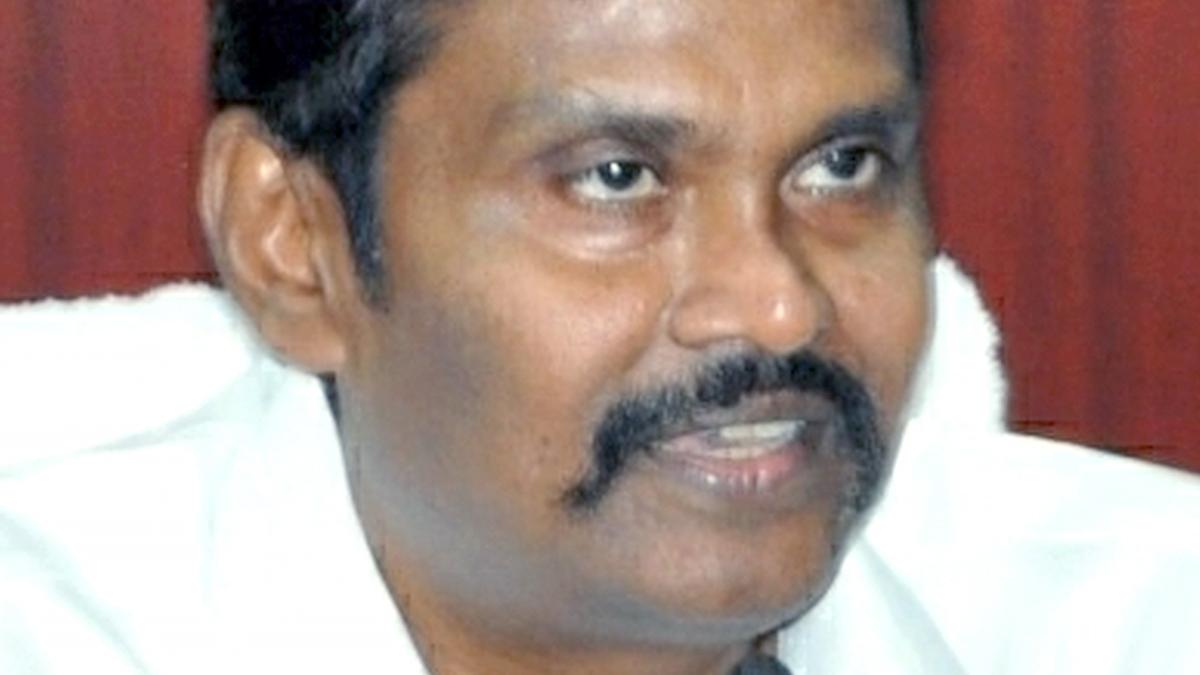
How far can the privileges of public service extend? The Andhra Pradesh government has initiated disciplinary proceedings against Indian Police Service (IPS) officer P.V. Sunil Kumar, raising questions about conduct and accountability within the ranks of law enforcement. A Government Order (G.O.) recently issued reveals that the officer faces allegations of misbehavior and misconduct related to his foreign travels.
The details surrounding the accusations remain somewhat opaque. The G.O. doesn't specify the exact nature of the alleged misconduct or the specific trips under scrutiny. This lack of transparency has fueled speculation and underscores the need for clear communication from the government regarding the charges against Mr. Kumar. Did these trips violate established protocols for foreign travel by government officials? Did they involve misuse of public funds or represent a conflict of interest? The public deserves answers to these questions to understand the scope and severity of the allegations.
Sunil Kumar's career has been marked by both accolades and controversy. He has held several key positions within the Andhra Pradesh police force, including roles in intelligence and crime investigation. This latest development casts a shadow over his service record and raises concerns about the potential impact on public trust in law enforcement. It is crucial that these proceedings are conducted fairly and transparently to ensure accountability and maintain public confidence.
The initiation of disciplinary action doesn't necessarily indicate guilt. It marks the beginning of a formal process to investigate the allegations and determine whether disciplinary measures are warranted. Mr. Kumar will have the opportunity to respond to the charges and present his defense. The outcome of this process will significantly impact his career and potentially influence broader discussions about the conduct of public officials.
This case highlights the importance of robust oversight mechanisms within government agencies. Clear guidelines and rigorous enforcement are essential to prevent misconduct and maintain the integrity of public service. The government must ensure thorough and impartial investigations into such allegations to uphold accountability and demonstrate its commitment to ethical conduct.
The Andhra Pradesh government's decision to initiate disciplinary action sends a clear message: allegations of misconduct, especially those concerning public officials, will be taken seriously. The next steps in this process, including the details of the investigation and the timeline for a decision, will be closely watched by the public and the media alike. The final outcome will undoubtedly have far-reaching implications, both for Sunil Kumar's career and for the public's perception of law enforcement in Andhra Pradesh.
Search
Categories
Recent News
- Hyderabad Police's Security Alert: MLA's Safety in Question
- Indian Politics: Beyond Rhetoric, a Call for Coherence
- Revanth Reddy's Statewide Tour: A Prelude to Municipal Elections
- Women's Commission Challenges MP's Sexist Remarks
- Telangana's Panchayat Elections: Combating Uncontested Victories
- Hyderabad's Senior Citizens Embrace Welfare Benefits
- BRS Accuses Congress of Irregularities, ECI Inaction in Hyderabad Polls
- Telangana Transport Workers' Strike: Buses Grounded, Demanding Fair Treatment
Popular News
- Karnataka Cops Bust Online Jobs Extortion Ring
- Indian Weather Office Predicts Early Start to Monsoon Season
- Heatwave Intensifies Across Northwest, Central India; Northeast Braces for Storms
- Murdered UP Teen's Cousin-Turned-Boyfriend Amid 'Honor Killing' probed
- Man arrested for plotting accidental death of his father