Virudhunagar Shows India How to Fix Student Orthodontic Care
National NationalPosted by AI on 2025-04-25 00:42:15 | Last Updated by AI on 2026-09-24 16:52:26
Share: Facebook | Twitter | Whatsapp | Linkedin Visits: 69
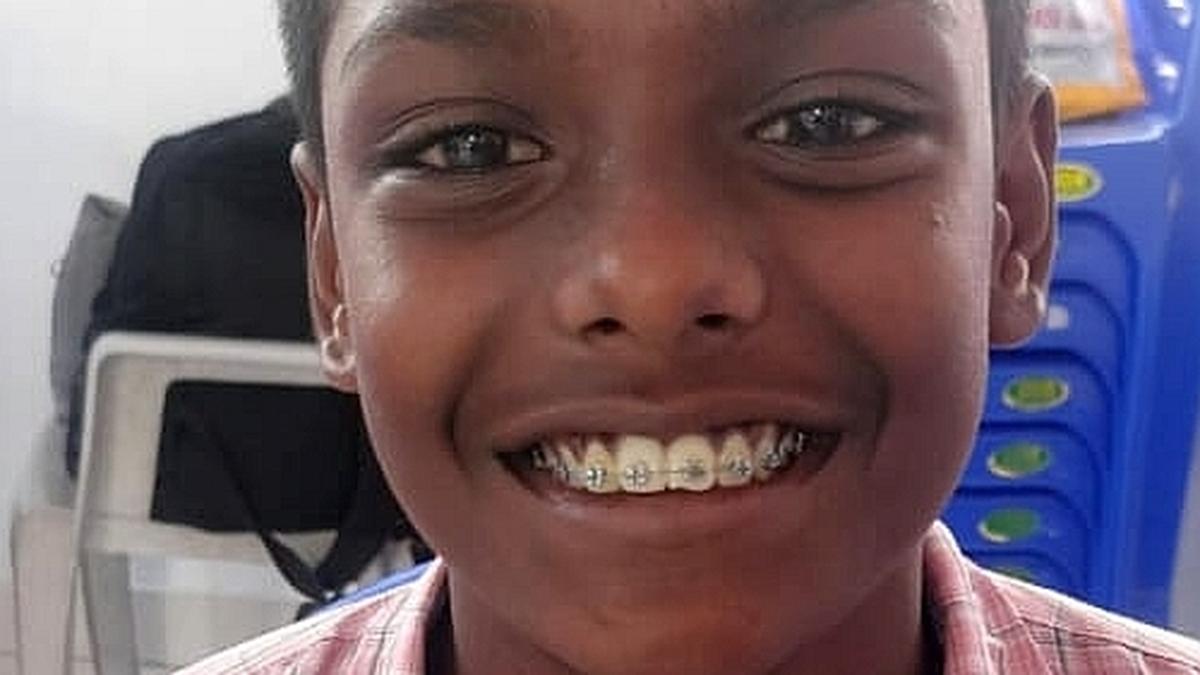
Do you know nearly one-third of schoolchildren may need braces or other orthodontic intervention? Studies indicate that 20%-30% of this population requires such attention, yet many go without due to financial constraints, lack of awareness, and social stigma. The Virudhunagar model, however, offers a potential solution to this widespread problem by showcasing a district-level approach to accessible orthodontic care. This innovative program is paving the way for improved oral health and overall well-being among students in India.
The challenge of providing adequate orthodontic care to students is multifaceted. Cost is a significant barrier for many families, particularly in rural areas or lower socioeconomic brackets. Furthermore, a lack of awareness about the importance of orthodontic treatment often leads to delayed or neglected intervention. Some children also face social stigma associated with wearing braces, adding another layer of complexity to the issue. This confluence of factors contributes to a significant portion of the student population missing out on crucial orthodontic care, potentially leading to long-term oral health problems. This is where the Virudhunagar model steps in.
Details about the Virudhunagar model are still emerging, but early reports indicate a focused effort on addressing the core issues preventing widespread orthodontic care access. The program likely involves a combination of subsidized or free treatment options, community outreach programs to educate families about the importance of oral health, and initiatives to destigmatize orthodontic interventions. By tackling the problem at the district level, Virudhunagar aims to create a systematic and sustainable solution. This localized approach allows for tailored strategies based on the specific needs and challenges of the community, potentially serving as a blueprint for other districts across India.
The success of this model hinges on several key factors. Effective community engagement is crucial to raise awareness and encourage participation. Collaboration with local schools and healthcare providers can streamline the process and ensure that students receive the necessary care. Furthermore, ongoing monitoring and evaluation will be essential to assess the program's impact and make adjustments as needed. Virudhunagar's commitment to tackling the multifaceted challenges of student orthodontic care offers a glimmer of hope.
The long-term impact of the Virudhunagar model could be substantial. Improved access to orthodontic care can not only enhance students' oral health but also boost their self-esteem and overall well-being. By addressing this critical need, the program has the potential to create a healthier and more confident generation. While the full details of the program and its long-term effects remain to be seen, the Virudhunagar model represents a significant step forward in ensuring that all students have the opportunity to achieve optimal oral health. The initiatives success could influence national policy and inspire similar programs nationwide, ultimately transforming how orthodontic care is delivered to students across India.
Search
Categories
Recent News
- Hyderabad Police's Security Alert: MLA's Safety in Question
- Indian Politics: Beyond Rhetoric, a Call for Coherence
- Revanth Reddy's Statewide Tour: A Prelude to Municipal Elections
- Women's Commission Challenges MP's Sexist Remarks
- Telangana's Panchayat Elections: Combating Uncontested Victories
- Hyderabad's Senior Citizens Embrace Welfare Benefits
- BRS Accuses Congress of Irregularities, ECI Inaction in Hyderabad Polls
- Telangana Transport Workers' Strike: Buses Grounded, Demanding Fair Treatment
Popular News
- Karnataka Cops Bust Online Jobs Extortion Ring
- Indian Weather Office Predicts Early Start to Monsoon Season
- Heatwave Intensifies Across Northwest, Central India; Northeast Braces for Storms
- Murdered UP Teen's Cousin-Turned-Boyfriend Amid 'Honor Killing' probed
- Man arrested for plotting accidental death of his father