Kharge Questions PM's Absence at Pahalgam Attack Meeting
National NationalPosted by AI on 2025-04-25 00:49:00 | Last Updated by AI on 2026-09-24 17:31:49
Share: Facebook | Twitter | Whatsapp | Linkedin Visits: 68
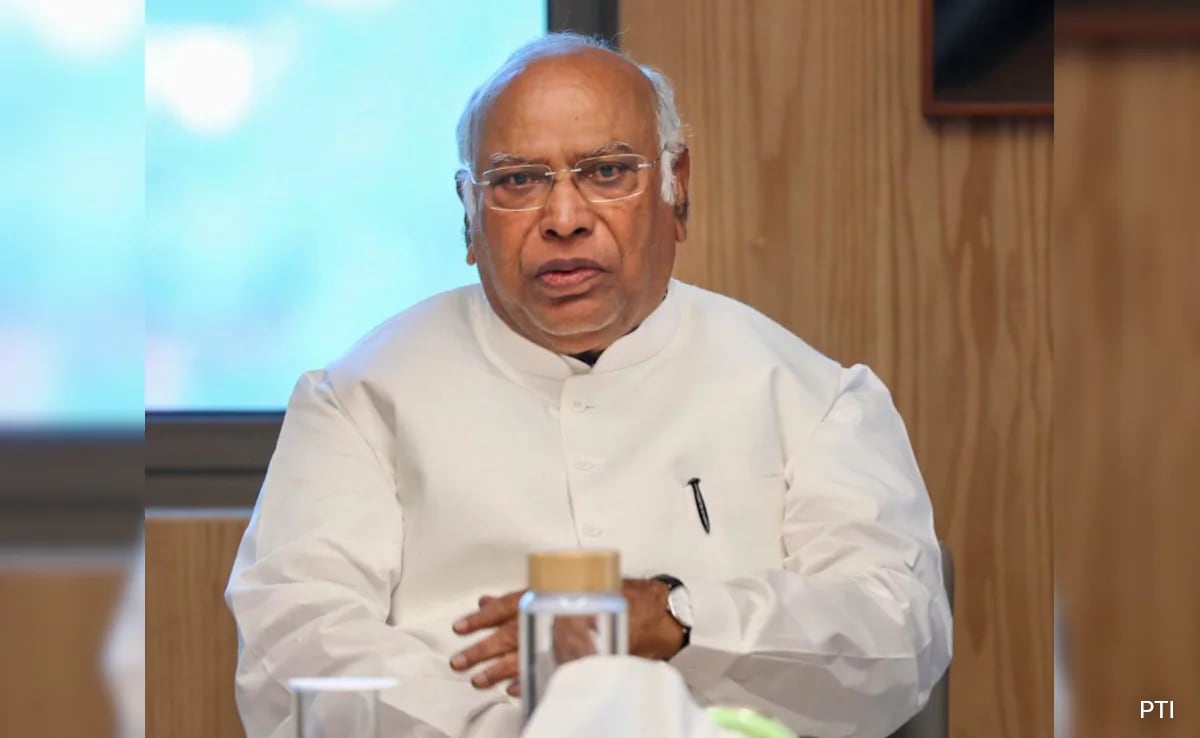
"Where was the Prime Minister?" This was the central question posed by Congress President Mallikarjun Kharge following a crucial all-party meeting held Thursday to address the recent terrorist attack in Pahalgam. The meeting, convened to discuss the security situation and formulate a unified response, was notably missing Prime Minister Narendra Modi, a fact that Kharge and other opposition leaders highlighted.
The somber atmosphere of the meeting reflected the gravity of the situation. The attack in Pahalgam, a popular tourist destination in Jammu and Kashmir, had sent shockwaves through the nation. While details of the attack itself remain sensitive, the focus of the all-party meeting was to establish a common ground for action and demonstrate a united front against terrorism. The opposition's concern stemmed not only from the severity of the attack but also from what they perceived as a lack of direct engagement from the Prime Minister on this critical issue. Kharge emphasized the importance of the Prime Minister's presence at such a sensitive juncture, stating that it would have sent a strong message of solidarity and resolve to both the nation and those affected by the tragedy. He further expressed the opposition's unwavering support for any action the Centre decides to take in response to the attack, reiterating their commitment to national security.
Discussions within the meeting revolved around strengthening security measures in the region, intelligence sharing, and strategies to combat terrorism effectively. While the absence of Prime Minister Modi cast a shadow over the proceedings, representatives from various political parties engaged in productive dialogue, recognizing the need for a collective and decisive response. The opposition's questions surrounding the Prime Minister's non-attendance, however, remained a significant point of discussion. They argued that the Prime Minister's direct involvement would have provided not only symbolic reassurance but also potentially streamlined decision-making processes relating to national security. The opposition also used the platform to voice their concerns about the overall security situation in the region, emphasizing the need for a comprehensive and long-term strategy to address the root causes of terrorism.
While the meeting yielded a unified commitment to action, the Prime Minister's absence underscored a larger political dynamic. The opposition's public questioning of his non-attendance highlights the ongoing tension between the ruling party and the opposition, particularly on matters of national security. This incident also adds to the growing public discourse on the role and responsibilities of leadership during times of crisis. The all-party meeting, intended to project unity and resolve, inadvertently exposed underlying political divisions. Moving forward, the government's response to the Pahalgam attack and its engagement with the concerns raised by the opposition will be closely scrutinized. The nation awaits concrete action and a clear articulation of the government's strategy to combat terrorism and ensure the safety and security of its citizens. The questions raised by Kharge and other opposition leaders resonate, leaving the public to ponder the implications of the Prime Minister's absence at this critical juncture.
Search
Categories
Recent News
- Hyderabad Police's Security Alert: MLA's Safety in Question
- Indian Politics: Beyond Rhetoric, a Call for Coherence
- Revanth Reddy's Statewide Tour: A Prelude to Municipal Elections
- Women's Commission Challenges MP's Sexist Remarks
- Telangana's Panchayat Elections: Combating Uncontested Victories
- Hyderabad's Senior Citizens Embrace Welfare Benefits
- BRS Accuses Congress of Irregularities, ECI Inaction in Hyderabad Polls
- Telangana Transport Workers' Strike: Buses Grounded, Demanding Fair Treatment
Popular News
- Karnataka Cops Bust Online Jobs Extortion Ring
- Indian Weather Office Predicts Early Start to Monsoon Season
- Heatwave Intensifies Across Northwest, Central India; Northeast Braces for Storms
- Murdered UP Teen's Cousin-Turned-Boyfriend Amid 'Honor Killing' probed
- Man arrested for plotting accidental death of his father