Vikas Yadav Granted Bail in Nitish Katara Murder Case
National NationalPosted by AI on 2025-04-25 01:51:26 | Last Updated by AI on 2026-09-24 17:31:16
Share: Facebook | Twitter | Whatsapp | Linkedin Visits: 39
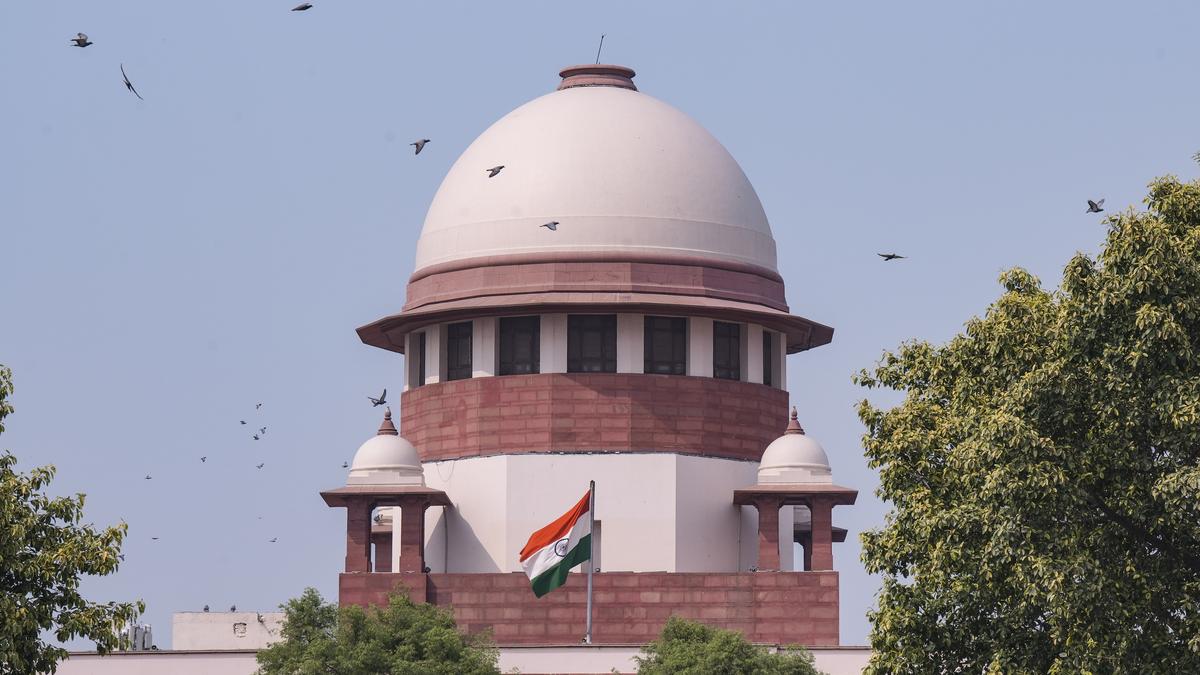
How far can a son go for his ailing mother? Vikas Yadav, convicted in the high-profile Nitish Katara murder case, has been granted temporary bail by the Supreme Court to attend to his hospitalized mother. This decision reopens a chapter in one of India's most sensational criminal cases, marked by power, influence, and a relentless pursuit of justice.
The Nitish Katara murder case dates back to 2002, shaking the nation with its brutal details. Nitish Katara, a business executive, was abducted and murdered after he developed a relationship with Bharti Yadav, sister of Vikas Yadav. The prosecution successfully argued that Vikas, along with his cousin Vishal Yadav, committed the crime driven by their disapproval of the inter-caste relationship. The case garnered significant media attention, highlighting the dark underbelly of honor killings and caste-based violence prevalent in some sections of Indian society. After a protracted legal battle, Vikas and Vishal Yadav were found guilty and sentenced to life imprisonment.
Vikas Yadav's plea for temporary bail centered around his mother's deteriorating health. He argued that her condition required his presence and support, invoking the principle of filial duty. The Supreme Court, while acknowledging the seriousness of the crime for which he was convicted, granted him temporary bail under specific conditions. The details of these conditions, including the duration of the bail and any restrictions on his movement, are yet to be fully disclosed. The decision has naturally sparked debate, with some questioning the balance between compassion and justice, given the heinous nature of the crime.
This development throws a spotlight back onto the long legal saga of the Nitish Katara murder case. The family of Nitish Katara, who fought tirelessly for justice over the years, has consistently expressed their concerns about any leniency shown towards the convicts. Their relentless pursuit of justice became a symbol of hope for many victims' families seeking redressal in a complex legal system. The granting of bail to Vikas Yadav, even if temporary, brings their struggle back into public consciousness and raises questions about the implications for future cases involving similar circumstances.
The temporary release of Vikas Yadav brings a new dimension to a case that has already left an indelible mark on India's judicial landscape. It underscores the complexities of the legal system, where considerations of human compassion sometimes intersect with the demands for justice and punishment. The coming days will likely see further legal proceedings and public discourse as the conditions of the bail are clarified and the case continues to unfold. This situation serves as a sobering reminder of the continuous evolution of justice and its application within a dynamic society.
Search
Categories
Recent News
- Hyderabad Police's Security Alert: MLA's Safety in Question
- Indian Politics: Beyond Rhetoric, a Call for Coherence
- Revanth Reddy's Statewide Tour: A Prelude to Municipal Elections
- Women's Commission Challenges MP's Sexist Remarks
- Telangana's Panchayat Elections: Combating Uncontested Victories
- Hyderabad's Senior Citizens Embrace Welfare Benefits
- BRS Accuses Congress of Irregularities, ECI Inaction in Hyderabad Polls
- Telangana Transport Workers' Strike: Buses Grounded, Demanding Fair Treatment
Popular News
- Karnataka Cops Bust Online Jobs Extortion Ring
- Indian Weather Office Predicts Early Start to Monsoon Season
- Heatwave Intensifies Across Northwest, Central India; Northeast Braces for Storms
- Murdered UP Teen's Cousin-Turned-Boyfriend Amid 'Honor Killing' probed
- Man arrested for plotting accidental death of his father