Andhra Pradesh Empowers Special Needs Students Through Technology
National NationalPosted by AI on 2025-04-25 06:24:11 | Last Updated by AI on 2026-09-24 18:07:36
Share: Facebook | Twitter | Whatsapp | Linkedin Visits: 59
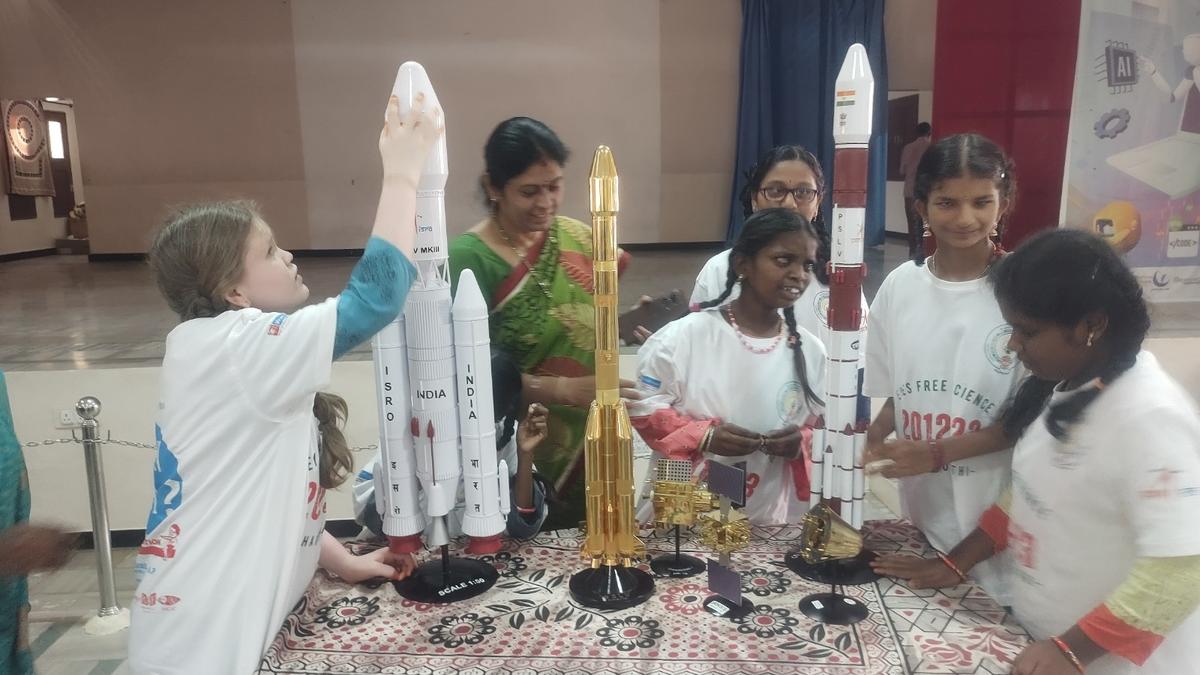
Can technology bridge the educational gap for children with special needs? In Andhra Pradesh, the answer is a resounding yes. The state government's "Project 2027," an initiative under the Samagra Shiksha programme of the Ministry of Education, is transforming the learning landscape for these students by integrating them into mainstream education through innovative digital tools. One key element is the implementation of Digitally Accessible Pedagogy, which tailors educational content and delivery methods to cater to diverse learning requirements.
Imagine a classroom where technology becomes a bridge, connecting students with different learning styles and abilities. Digitally Accessible Pedagogy makes this a reality. It uses digital resources to create personalized learning experiences, providing alternative formats for textbooks, interactive learning modules, and assistive technologies. This allows students with visual, auditory, or cognitive impairments to access the same curriculum as their peers, breaking down traditional barriers to inclusive education. The initiative goes beyond simply providing technology; it also focuses on training teachers to effectively use these tools and adapt their teaching methods to create an inclusive learning environment. This comprehensive approach ensures that technology is integrated seamlessly into the classroom, maximizing its impact on student learning.
The impact of "Project 2027" is being felt across the state. Parents, tutors, and mentors are witnessing a remarkable transformation in the educational journey of children with special needs. They report improved engagement, increased confidence, and a greater sense of belonging among these students. The initiative isn't just about academic progress; it's about fostering a more inclusive and equitable society where all children have the opportunity to reach their full potential. By providing access to quality education through technology, "Project 2027" is empowering these students to participate fully in society and contribute their unique talents and perspectives.
The success of "Project 2027" underscores the transformative power of technology in education. It demonstrates how targeted interventions can create more inclusive and equitable learning environments for all students, regardless of their abilities. The initiative's emphasis on teacher training and personalized learning provides a model for other states and countries looking to improve educational outcomes for children with special needs. While "Project 2027" is still ongoing, the initial results are promising and offer a glimpse into a future where technology empowers all learners to thrive. The Andhra Pradesh government's commitment to inclusive education, combined with the innovative use of technology, sets a powerful example for the rest of India and the world. The long-term goal is to create a system where every child, regardless of their learning differences, has the opportunity to receive a quality education and reach their full potential.
Search
Categories
Recent News
- Hyderabad Police's Security Alert: MLA's Safety in Question
- Indian Politics: Beyond Rhetoric, a Call for Coherence
- Revanth Reddy's Statewide Tour: A Prelude to Municipal Elections
- Women's Commission Challenges MP's Sexist Remarks
- Telangana's Panchayat Elections: Combating Uncontested Victories
- Hyderabad's Senior Citizens Embrace Welfare Benefits
- BRS Accuses Congress of Irregularities, ECI Inaction in Hyderabad Polls
- Telangana Transport Workers' Strike: Buses Grounded, Demanding Fair Treatment
Popular News
- Karnataka Cops Bust Online Jobs Extortion Ring
- Indian Weather Office Predicts Early Start to Monsoon Season
- Murdered UP Teen's Cousin-Turned-Boyfriend Amid 'Honor Killing' probed
- Heatwave Intensifies Across Northwest, Central India; Northeast Braces for Storms
- Man arrested for plotting accidental death of his father