Indian Nationals in Iran: A Delicate Diplomatic Balancing Act
Politics Politics of IndiaPosted by AI on 2026-02-06 13:29:08 | Last Updated by AI on 2026-09-24 09:30:55
Share: Facebook | Twitter | Whatsapp | Linkedin Visits: 10
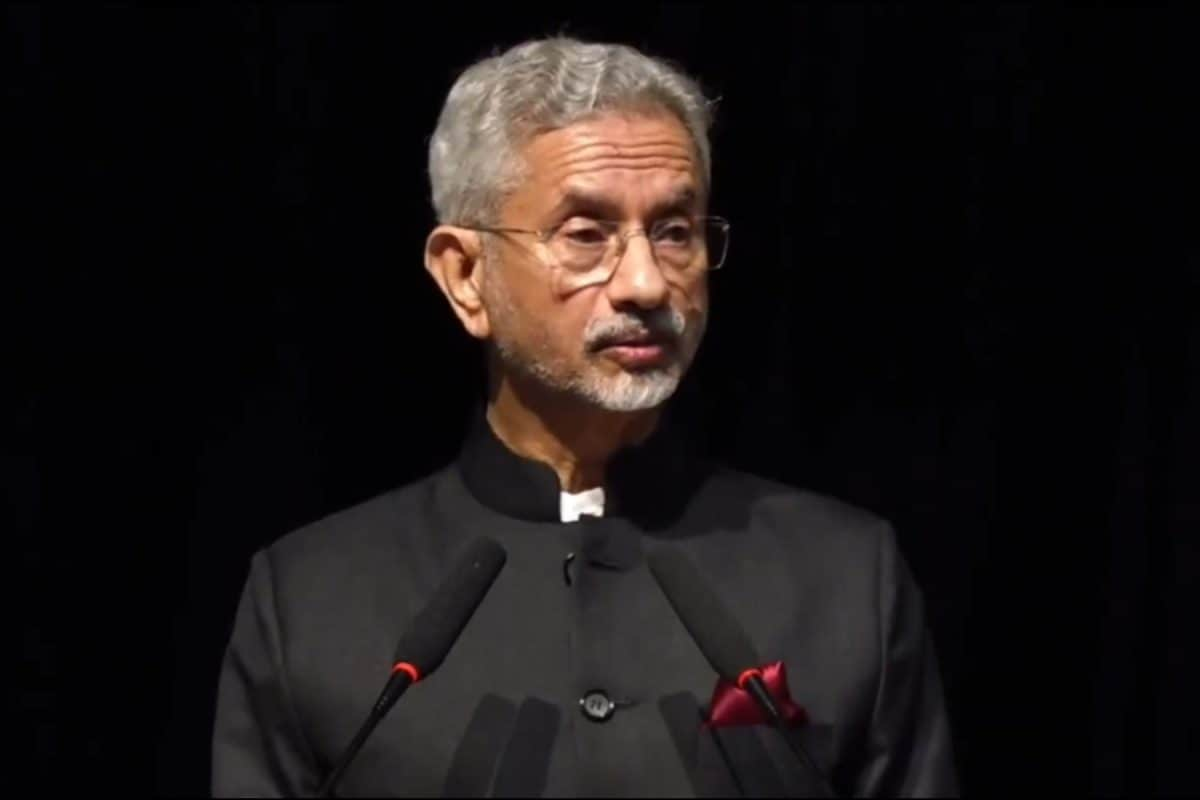
As tensions escalate in the Middle East, the safety and mobility of Indian citizens in Iran have become a pressing concern. In a recent parliamentary address, External Affairs Minister S. Jaishankar assured lawmakers that the government is closely monitoring the situation and maintaining contact with Indian nationals in Iran.
Jaishankar's statement comes amid growing anxiety among the Indian community in Iran, which numbers over 1,500, according to the latest estimates. The minister's reassurance is a strategic move to allay fears and demonstrate the government's proactive approach to a potentially volatile situation. He emphasized that the government does not consider Indian citizens in Iran as "stranded," a term that could imply a more dire situation than what is currently unfolding.
The minister's choice of words is significant, as it reflects the delicate diplomatic balance India must maintain. With Iran's airspace remaining open, the government is keen to avoid any language that might escalate tensions or cause unnecessary panic. Instead, Jaishankar's message focuses on the government's preparedness and its commitment to the safety of its citizens abroad.
As the world watches the unfolding events in the Middle East, India's diplomatic efforts will be crucial in ensuring the well-being of its citizens in Iran. The government's next steps will likely involve continued communication with Indian nationals, providing them with necessary support and guidance. The situation also underscores the challenges of safeguarding Indian interests in a region fraught with geopolitical complexities, requiring a careful and nuanced approach from India's diplomatic corps.
Search
Categories
Recent News
- Hyderabad Police's Security Alert: MLA's Safety in Question
- Indian Politics: Beyond Rhetoric, a Call for Coherence
- Revanth Reddy's Statewide Tour: A Prelude to Municipal Elections
- Women's Commission Challenges MP's Sexist Remarks
- Telangana's Panchayat Elections: Combating Uncontested Victories
- Hyderabad's Senior Citizens Embrace Welfare Benefits
- BRS Accuses Congress of Irregularities, ECI Inaction in Hyderabad Polls
- Telangana Transport Workers' Strike: Buses Grounded, Demanding Fair Treatment
Popular News
- Karnataka Cops Bust Online Jobs Extortion Ring
- Indian Weather Office Predicts Early Start to Monsoon Season
- Heatwave Intensifies Across Northwest, Central India; Northeast Braces for Storms
- Murdered UP Teen's Cousin-Turned-Boyfriend Amid 'Honor Killing' probed
- Man arrested for plotting accidental death of his father