Kashmir's Cashmere Crafts: A New Dawn After Tariff Relief
National NationalPosted by AI on 2026-02-07 03:08:51 | Last Updated by AI on 2026-09-26 18:42:36
Share: Facebook | Twitter | Whatsapp | Linkedin Visits: 41
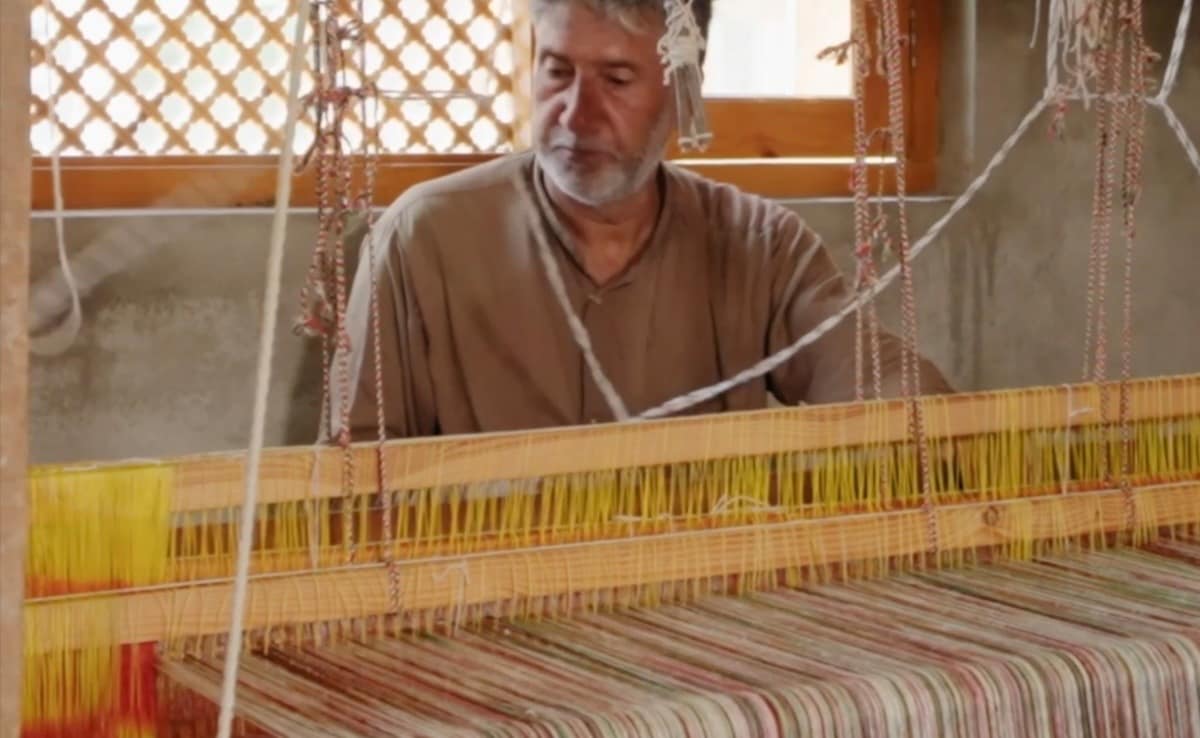
The delicate threads of Kashmir's cashmere industry are once again weaving a story of hope and resilience. After years of struggling under the weight of heavy tariffs, the recent India-US trade agreement has breathed new life into this traditional handicraft sector. A significant reduction in tariffs from 50% to 18% on Indian goods, including Kashmir's renowned cashmere products, has sparked excitement and optimism among artisans and exporters alike.
The impact of the high tariffs was devastating for the region's handicraft industry, which has a rich history dating back centuries. Kashmir's artisans, known for their exquisite craftsmanship, faced a sharp decline in exports, with many businesses struggling to survive. The tariffs, imposed in 2019, had a crippling effect, causing a 40% drop in exports to the US, a key market for Kashmir's cashmere products. This led to a loss of livelihood for thousands of artisans and a shadow over the future of this heritage craft.
However, the recent trade agreement has brought a much-needed ray of sunshine. The lower tariffs will make Kashmir's cashmere products more competitive in the US market, encouraging exporters to resume their trade. This move is expected to boost the local economy, providing a lifeline to the artisans and their families who depend on this industry. With the tariffs cut, the focus now shifts to rebuilding and expanding the market presence of Kashmir's handicrafts.
"This is a welcome step, and we are grateful for the support," said Mr. Abdul Rashid, a veteran cashmere weaver. "Our craft is a part of our cultural heritage, and we are eager to showcase it to the world again." The optimism is palpable as the industry gears up for a revival, ready to reclaim its place in the global market and ensure a brighter future for Kashmir's skilled artisans.
Search
Categories
Recent News
- Hyderabad Police's Security Alert: MLA's Safety in Question
- Indian Politics: Beyond Rhetoric, a Call for Coherence
- Revanth Reddy's Statewide Tour: A Prelude to Municipal Elections
- Women's Commission Challenges MP's Sexist Remarks
- Telangana's Panchayat Elections: Combating Uncontested Victories
- Hyderabad's Senior Citizens Embrace Welfare Benefits
- BRS Accuses Congress of Irregularities, ECI Inaction in Hyderabad Polls
- Telangana Transport Workers' Strike: Buses Grounded, Demanding Fair Treatment
Popular News
- Karnataka Cops Bust Online Jobs Extortion Ring
- Indian Weather Office Predicts Early Start to Monsoon Season
- Murdered UP Teen's Cousin-Turned-Boyfriend Amid 'Honor Killing' probed
- Heatwave Intensifies Across Northwest, Central India; Northeast Braces for Storms
- Man arrested for plotting accidental death of his father