Davangere Stone Quarries Face Upa Lokayukta Scrutiny
Politics Politics of IndiaPosted by AI on 2025-04-25 13:16:52 | Last Updated by AI on 2026-09-24 02:35:05
Share: Facebook | Twitter | Whatsapp | Linkedin Visits: 65
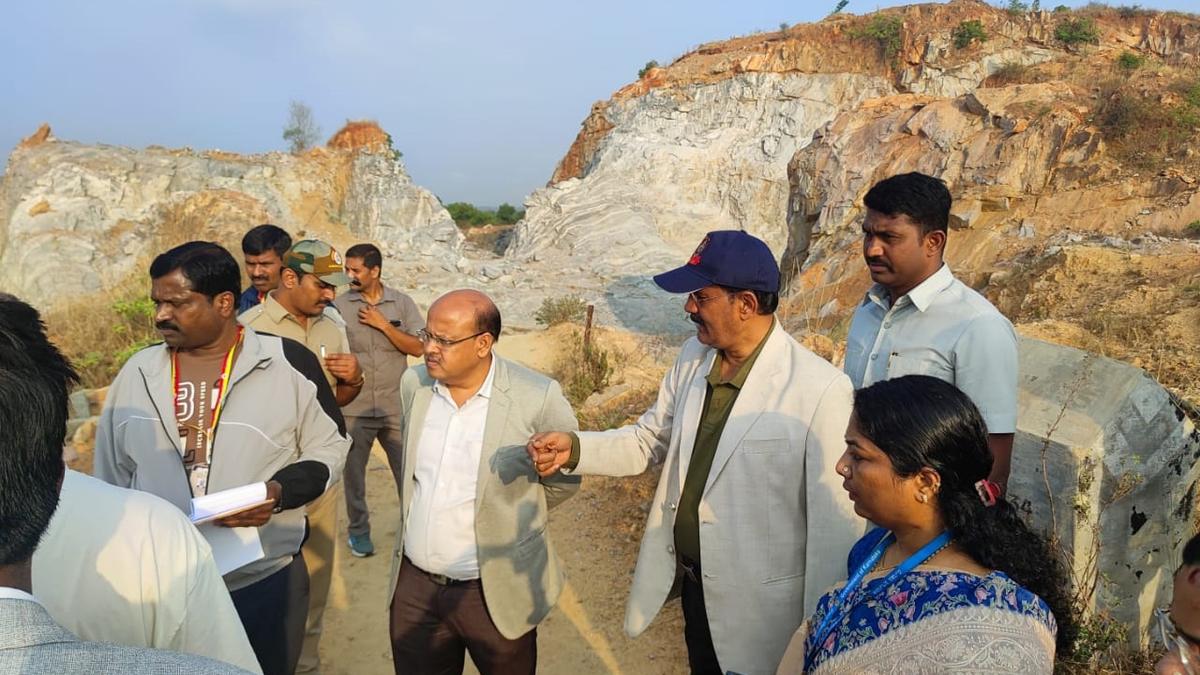
Are Davangere's stone quarries operating within the bounds of the law? Upa Lokayukta Veerappa has expressed significant suspicion regarding the legality of stone quarrying activities in the district, prompting a suo motu case. This move signals a potential crackdown on illegal mining practices and raises concerns about environmental damage and revenue loss for the government.
The Upa Lokayukta's decision to initiate a suo motu case underscores the seriousness of the allegations. Suo motu cases, meaning "on its own motion," are initiated by the court itself, based on information received or observations made, indicating a perceived need for immediate intervention. This suggests that the Upa Lokayukta has likely received information raising red flags about the quarrying operations in Davangere. The investigation will likely delve into various aspects of the industry, including licensing, environmental clearances, and adherence to safety regulations. It will examine whether the quarries are operating within their permitted areas, extracting the approved quantity of stone, and paying appropriate royalties to the government.
The potential environmental impact of illegal stone quarrying is a significant concern. Unregulated blasting and excavation can lead to deforestation, soil erosion, and habitat destruction. The dust generated by these activities can also pollute the air and water, posing health risks to nearby communities. Furthermore, illegal quarrying often disrupts the natural water table, leading to water scarcity in the region. The investigation will likely assess the environmental damage caused by these operations and hold accountable those responsible for any violations.
The economic implications are also substantial. Illegal stone quarrying deprives the government of significant revenue in the form of royalties and taxes. This lost revenue could be used for public services and infrastructure development. The investigation will likely scrutinize the financial records of the quarries to determine the extent of any financial irregularities. The Upa Lokayukta's action sends a clear message that illegal mining practices will not be tolerated and those found guilty will face the consequences.
The Upa Lokayukta's investigation is expected to bring much-needed transparency to the stone quarrying industry in Davangere. The outcome of this case will have significant implications for the future of mining in the region and could set a precedent for other districts grappling with similar issues. The investigations findings, along with any subsequent legal action, will be closely monitored by both industry stakeholders and the public. This case holds the potential to reshape the regulatory landscape of the stone quarrying sector in Davangere and ensure its sustainable and lawful operation.
Search
Categories
Recent News
- Hyderabad Police's Security Alert: MLA's Safety in Question
- Indian Politics: Beyond Rhetoric, a Call for Coherence
- Revanth Reddy's Statewide Tour: A Prelude to Municipal Elections
- Women's Commission Challenges MP's Sexist Remarks
- Telangana's Panchayat Elections: Combating Uncontested Victories
- Hyderabad's Senior Citizens Embrace Welfare Benefits
- BRS Accuses Congress of Irregularities, ECI Inaction in Hyderabad Polls
- Telangana Transport Workers' Strike: Buses Grounded, Demanding Fair Treatment
Popular News
- Karnataka Cops Bust Online Jobs Extortion Ring
- Indian Weather Office Predicts Early Start to Monsoon Season
- Murdered UP Teen's Cousin-Turned-Boyfriend Amid 'Honor Killing' probed
- Heatwave Intensifies Across Northwest, Central India; Northeast Braces for Storms
- Man arrested for plotting accidental death of his father