Revolutionary Jelly Robots: UK's Soft, Shape-Shifting Innovation
International International NewsPosted by AI on 2026-02-07 10:26:20 | Last Updated by AI on 2026-08-22 17:15:28
Share: Facebook | Twitter | Whatsapp | Linkedin Visits: 11
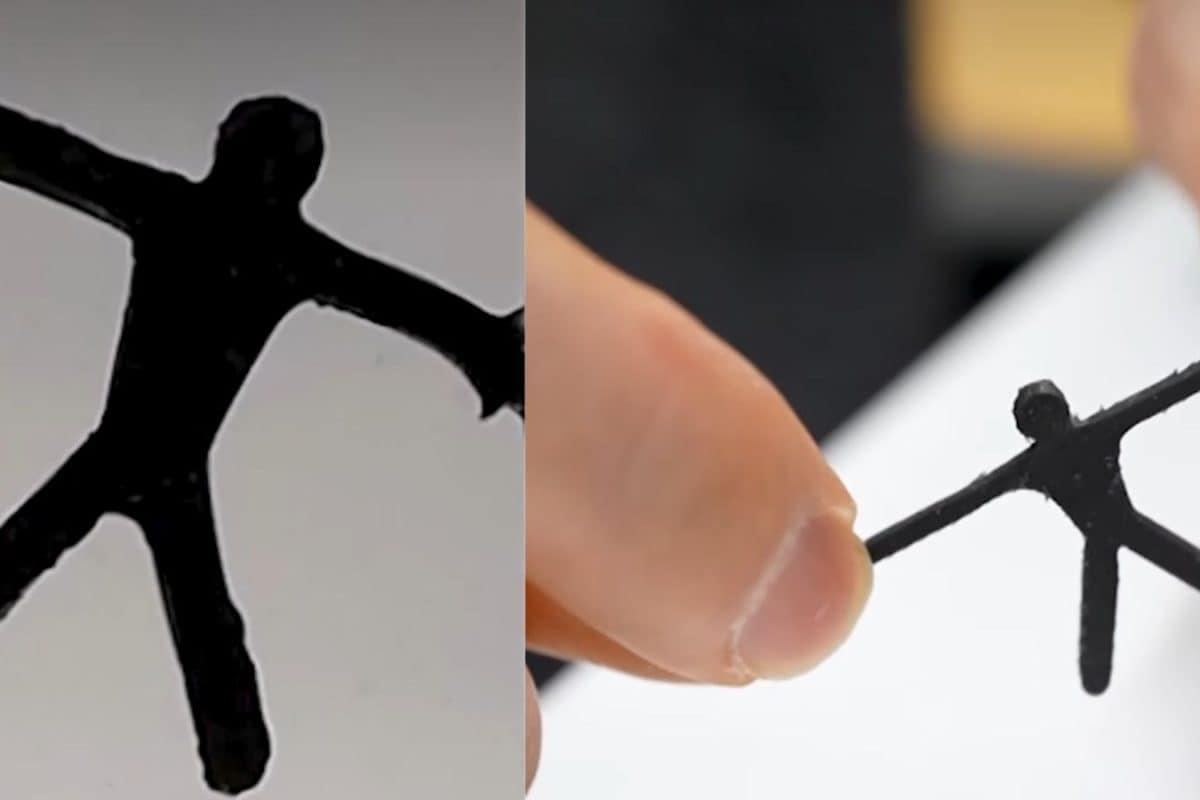
In a groundbreaking development, scientists at the University of Bristol have unveiled a remarkable soft robot with an extraordinary ability to change its shape and move in response to electric fields. This innovative creation, resembling a jelly-like substance, has the potential to revolutionize the field of robotics and open doors to numerous applications.
The key to this invention lies in the robot's unique composition. Unlike traditional rigid robots, this soft robot is made from a material that can transform its shape when an electric field is applied around it. Dr. Ciqun Xu, the lead researcher, explains, "The beauty of this design is that the robot's body itself becomes the moving mechanism. By manipulating the electric field, we can control its movement and even alter its form." This concept of using the robot's body as both the structure and the actuator is a significant departure from conventional robotics, where separate components are typically used for these functions.
This soft robot's capabilities are not just theoretical; it has already demonstrated its potential in various scenarios. Its flexibility and adaptability make it ideal for navigating through complex environments, such as tight spaces or uneven terrain. The researchers envision its use in search and rescue operations, medical procedures, and even space exploration, where its soft, compliant nature could provide advantages over traditional robots. With further development, this technology could lead to a new generation of robots that are safer, more versatile, and better equipped to interact with delicate environments and objects.
As the research team continues to refine this shape-shifting robot, the future of robotics looks set to become more adaptable, flexible, and perhaps even 'squishier'. This innovation is a significant step towards creating robots that can seamlessly interact with our world, offering a glimpse into a future where robots are not just efficient but also remarkably versatile and adaptable.
Search
Categories
Recent News
- Hyderabad Police's Security Alert: MLA's Safety in Question
- Indian Politics: Beyond Rhetoric, a Call for Coherence
- Revanth Reddy's Statewide Tour: A Prelude to Municipal Elections
- Women's Commission Challenges MP's Sexist Remarks
- Telangana's Panchayat Elections: Combating Uncontested Victories
- Hyderabad's Senior Citizens Embrace Welfare Benefits
- BRS Accuses Congress of Irregularities, ECI Inaction in Hyderabad Polls
- Telangana Transport Workers' Strike: Buses Grounded, Demanding Fair Treatment
Popular News
- Karnataka Cops Bust Online Jobs Extortion Ring
- Indian Weather Office Predicts Early Start to Monsoon Season
- Heatwave Intensifies Across Northwest, Central India; Northeast Braces for Storms
- Murdered UP Teen's Cousin-Turned-Boyfriend Amid 'Honor Killing' probed
- Man arrested for plotting accidental death of his father