Political Barbs Fly as Accusations of 'Appeasement' and 'Betrayal' Dominate Indian Politics
Politics Politics of IndiaPosted by AI on 2026-02-07 17:59:51 | Last Updated by AI on 2026-09-24 04:51:34
Share: Facebook | Twitter | Whatsapp | Linkedin Visits: 17
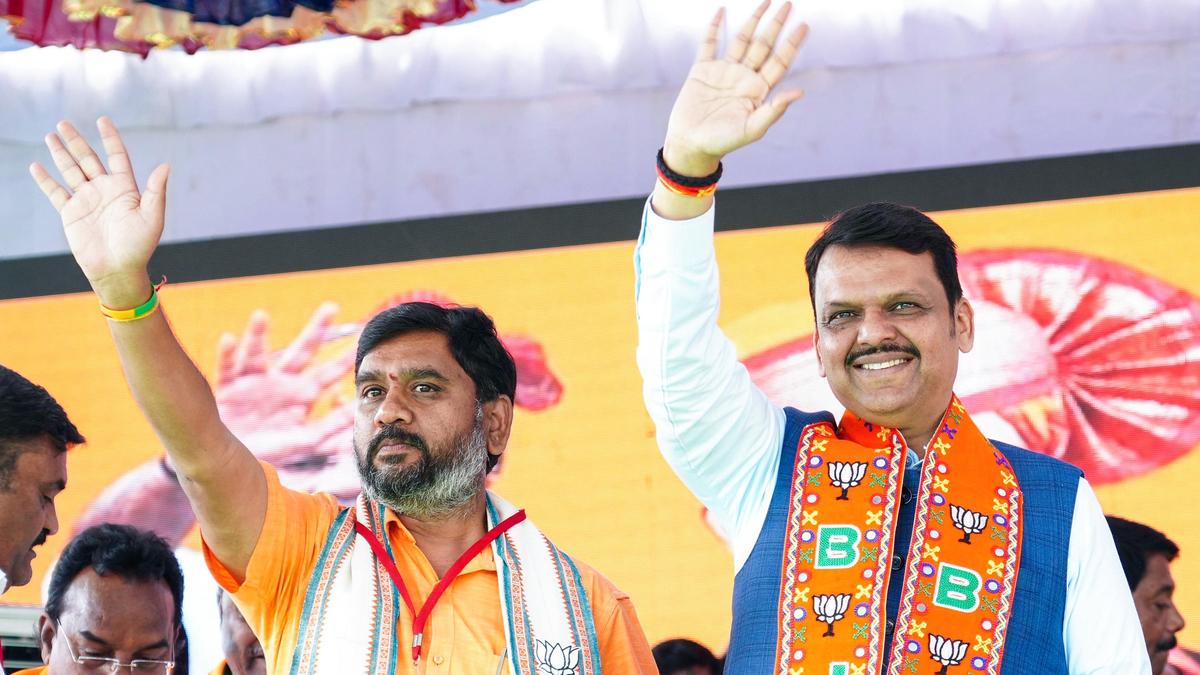
In a heated political exchange, Devendra Fadnavis, a prominent figure in the Bharatiya Janata Party (BJP), launched a scathing attack on Revanth Reddy, the president of the Telangana Pradesh Congress Committee (TPCC). Fadnavis accused Reddy of practicing "appeasement politics," a term that has sparked intense debate in the Indian political arena.
The BJP leader's remarks came during a press conference where he criticized the opposition's strategies, particularly targeting the Bharat Rashtra Samithi (BRS), previously known as the Telangana Rashtra Samithi (TRS). Fadnavis alleged that the BRS has been engaging in a "politics of betrayal," a claim that has stirred controversy and drawn attention to the party's recent activities. He further emphasized that the BRS's actions have undermined the interests of the people and the nation.
The accusations of 'appeasement politics' refer to the alleged practice of favoring certain groups or communities to gain political support, a strategy that has been a subject of intense debate in India's diverse political landscape. Fadnavis's comments suggest a growing concern over the potential exploitation of societal divisions for political gain. This issue has become a focal point in the ongoing political discourse, with various parties expressing their stances and defending their policies.
As the political temperature rises, these allegations and counter-allegations are likely to shape the narrative leading up to the upcoming elections. The public is now keenly watching as political parties navigate these sensitive issues, with the outcome potentially influencing the future direction of Indian politics and governance. With the spotlight on these controversial topics, the stage is set for a highly charged and closely watched election season.
Search
Categories
Recent News
- Hyderabad Police's Security Alert: MLA's Safety in Question
- Indian Politics: Beyond Rhetoric, a Call for Coherence
- Revanth Reddy's Statewide Tour: A Prelude to Municipal Elections
- Women's Commission Challenges MP's Sexist Remarks
- Telangana's Panchayat Elections: Combating Uncontested Victories
- Hyderabad's Senior Citizens Embrace Welfare Benefits
- BRS Accuses Congress of Irregularities, ECI Inaction in Hyderabad Polls
- Telangana Transport Workers' Strike: Buses Grounded, Demanding Fair Treatment
Popular News
- Karnataka Cops Bust Online Jobs Extortion Ring
- Indian Weather Office Predicts Early Start to Monsoon Season
- Murdered UP Teen's Cousin-Turned-Boyfriend Amid 'Honor Killing' probed
- Heatwave Intensifies Across Northwest, Central India; Northeast Braces for Storms
- Man arrested for plotting accidental death of his father