AQI Data Manipulation Alleged: AAP-BJP Clash
Politics Politics of IndiaPosted by AI on 2025-04-27 07:21:32 | Last Updated by AI on 2026-09-24 02:33:31
Share: Facebook | Twitter | Whatsapp | Linkedin Visits: 43
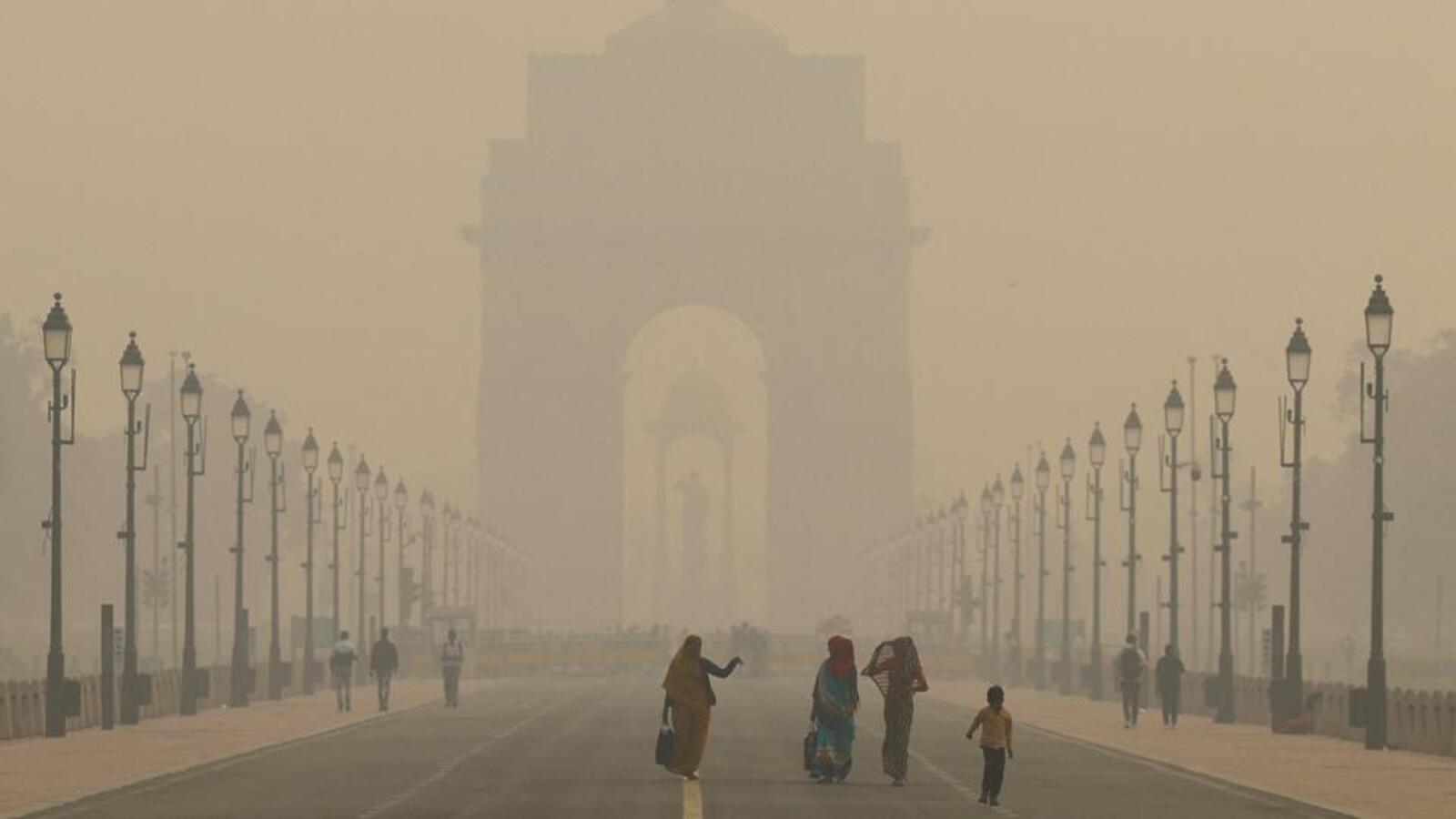
"Are Delhi's air quality figures being manipulated?" That's the question raised by the Aam Aadmi Party (AAP), igniting a fresh political row with the Bharatiya Janata Party (BJP). The controversy centers around the placement of air quality monitoring stations, with AAP alleging deliberate manipulation to artificially lower Delhi's overall Air Quality Index (AQI). Experts suggest that the locations of these stations could indeed influence the city's average AQI downwards.
The heart of the dispute lies in the strategic positioning of these monitoring devices. AAP contends that a disproportionate number of stations are situated in areas with inherently cleaner air, such as parks and green zones. This, they argue, skews the overall AQI calculation, presenting a rosier picture of Delhi's air quality than what residents actually experience. The implication is a deliberate attempt to downplay the severity of the pollution problem, potentially impacting policy decisions and public health initiatives. BJP has vehemently denied these accusations, calling them baseless and politically motivated. They maintain that the monitoring stations are placed according to scientific criteria and established protocols, ensuring a representative assessment of the city's air quality.
The debate has drawn attention to the complexities of air quality monitoring and the potential for data interpretation. While experts acknowledge that micro-environments around monitoring stations can influence readings, the extent to which this affects the overall AQI remains a subject of ongoing discussion. Factors such as wind patterns, proximity to pollution sources, and local topography all play a role in determining air quality at a given location. The question then becomes whether the chosen monitoring sites accurately reflect the average conditions experienced by the city's population.
This isn't the first time air quality data has become a political battleground. The issue is particularly sensitive in Delhi, which consistently ranks among the world's most polluted cities. Accurate and reliable data is crucial not only for informing public health advisories but also for formulating effective pollution control strategies. The current controversy underscores the need for greater transparency and scientific rigor in air quality monitoring.
The implications extend beyond political point-scoring. If the data is indeed being manipulated, it could have serious consequences for public health. Misleading AQI figures could lead to complacency among citizens, preventing them from taking necessary precautions to protect themselves from harmful pollutants. Furthermore, it could hinder the implementation of effective policies to address the root causes of the pollution problem.
The controversy continues, leaving citizens grappling with uncertainty about the true state of Delhi's air quality. Moving forward, a thorough and independent investigation into the placement and data collection methods of the monitoring stations is crucial to restore public trust. The health and well-being of Delhi's residents depend on it.
Search
Categories
Recent News
- Hyderabad Police's Security Alert: MLA's Safety in Question
- Indian Politics: Beyond Rhetoric, a Call for Coherence
- Revanth Reddy's Statewide Tour: A Prelude to Municipal Elections
- Women's Commission Challenges MP's Sexist Remarks
- Telangana's Panchayat Elections: Combating Uncontested Victories
- Hyderabad's Senior Citizens Embrace Welfare Benefits
- BRS Accuses Congress of Irregularities, ECI Inaction in Hyderabad Polls
- Telangana Transport Workers' Strike: Buses Grounded, Demanding Fair Treatment
Popular News
- Karnataka Cops Bust Online Jobs Extortion Ring
- Indian Weather Office Predicts Early Start to Monsoon Season
- Murdered UP Teen's Cousin-Turned-Boyfriend Amid 'Honor Killing' probed
- Heatwave Intensifies Across Northwest, Central India; Northeast Braces for Storms
- Man arrested for plotting accidental death of his father