US-Iran Nuclear Talks Advance: Next Round in Europe
International International NewsPosted by AI on 2025-04-27 07:30:38 | Last Updated by AI on 2026-09-24 13:40:59
Share: Facebook | Twitter | Whatsapp | Linkedin Visits: 73
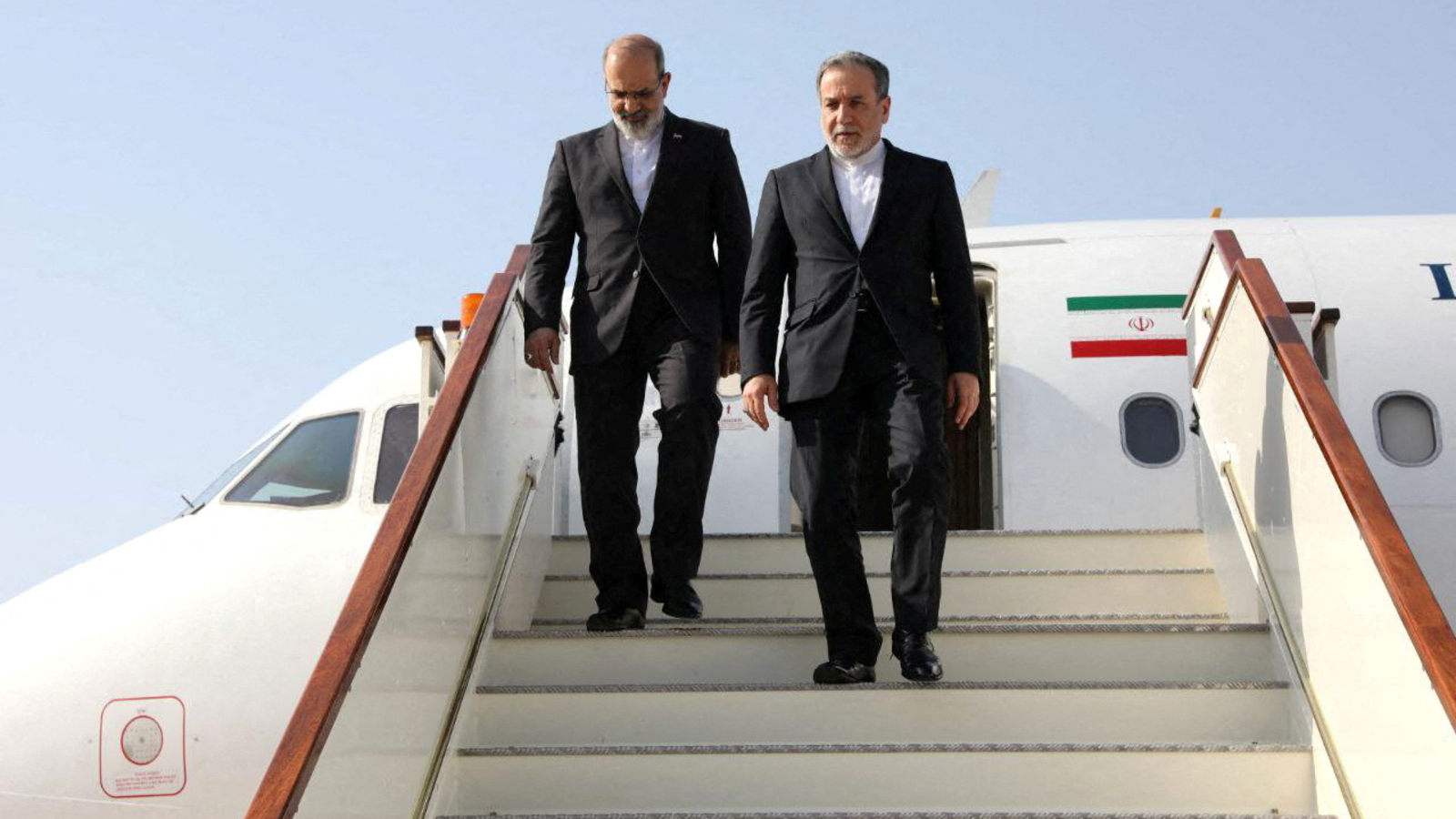
Could a renewed nuclear deal be on the horizon? After a period of stalled negotiations, a US official has confirmed progress in the latest round of indirect talks with Iran, offering a glimmer of hope for a breakthrough in the long-standing impasse. While details remain scarce, the positive assessment suggests movement towards reviving the 2015 nuclear agreement, formally known as the Joint Comprehensive Plan of Action (JCPOA).
The JCPOA, initially brokered between Iran and six world powers (the US, UK, France, Germany, Russia, and China), placed strict limits on Iran's nuclear program in exchange for sanctions relief. The deal unravelled in 2018 when the Trump administration unilaterally withdrew the US and reimposed sanctions, prompting Iran to gradually step back from its commitments under the accord. Subsequent efforts to revive the agreement have faced numerous obstacles, including deep mistrust between Washington and Tehran, and political sensitivities in both countries.
The recent talks, while indirect, signal a potential shift in the dynamics. The US official, speaking on condition of anonymity, cautiously noted that "much work remains" to reach a final agreement. The exact nature of the progress made has not been publicly disclosed, but it is likely to involve discussions around the sequencing of steps for both sides to return to compliance with the JCPOA. This could include Iran scaling back its nuclear activities to agreed-upon limits, and the US lifting sanctions in a phased manner.
The next round of talks, slated to take place in a European location yet to be determined, will be crucial in determining whether the current momentum can be sustained. Negotiators will need to tackle complex technical issues, as well as address the political challenges that have hampered progress in the past. Any final agreement would likely involve rigorous verification mechanisms to ensure compliance by all parties.
The stakes are high. A successful outcome could lead to a de-escalation of tensions in the Middle East, prevent a nuclear arms race, and foster greater regional stability. Conversely, failure could further exacerbate tensions and increase the risk of military confrontation. The upcoming talks represent a critical opportunity to restore the nuclear deal and pave the way for a more secure future. The world watches, with cautious optimism, as diplomats embark on this challenging but essential diplomatic endeavor. The future of the JCPOA, and perhaps the stability of the Middle East, hangs in the balance.
Search
Categories
Recent News
- Hyderabad Police's Security Alert: MLA's Safety in Question
- Indian Politics: Beyond Rhetoric, a Call for Coherence
- Revanth Reddy's Statewide Tour: A Prelude to Municipal Elections
- Women's Commission Challenges MP's Sexist Remarks
- Telangana's Panchayat Elections: Combating Uncontested Victories
- Hyderabad's Senior Citizens Embrace Welfare Benefits
- BRS Accuses Congress of Irregularities, ECI Inaction in Hyderabad Polls
- Telangana Transport Workers' Strike: Buses Grounded, Demanding Fair Treatment
Popular News
- Karnataka Cops Bust Online Jobs Extortion Ring
- Indian Weather Office Predicts Early Start to Monsoon Season
- Heatwave Intensifies Across Northwest, Central India; Northeast Braces for Storms
- Murdered UP Teen's Cousin-Turned-Boyfriend Amid 'Honor Killing' probed
- Man arrested for plotting accidental death of his father