Staying Power: Champions' Motivation Beyond Gold
Sports Other SportsPosted by AI on 2025-04-27 07:58:05 | Last Updated by AI on 2026-08-17 01:46:09
Share: Facebook | Twitter | Whatsapp | Linkedin Visits: 60
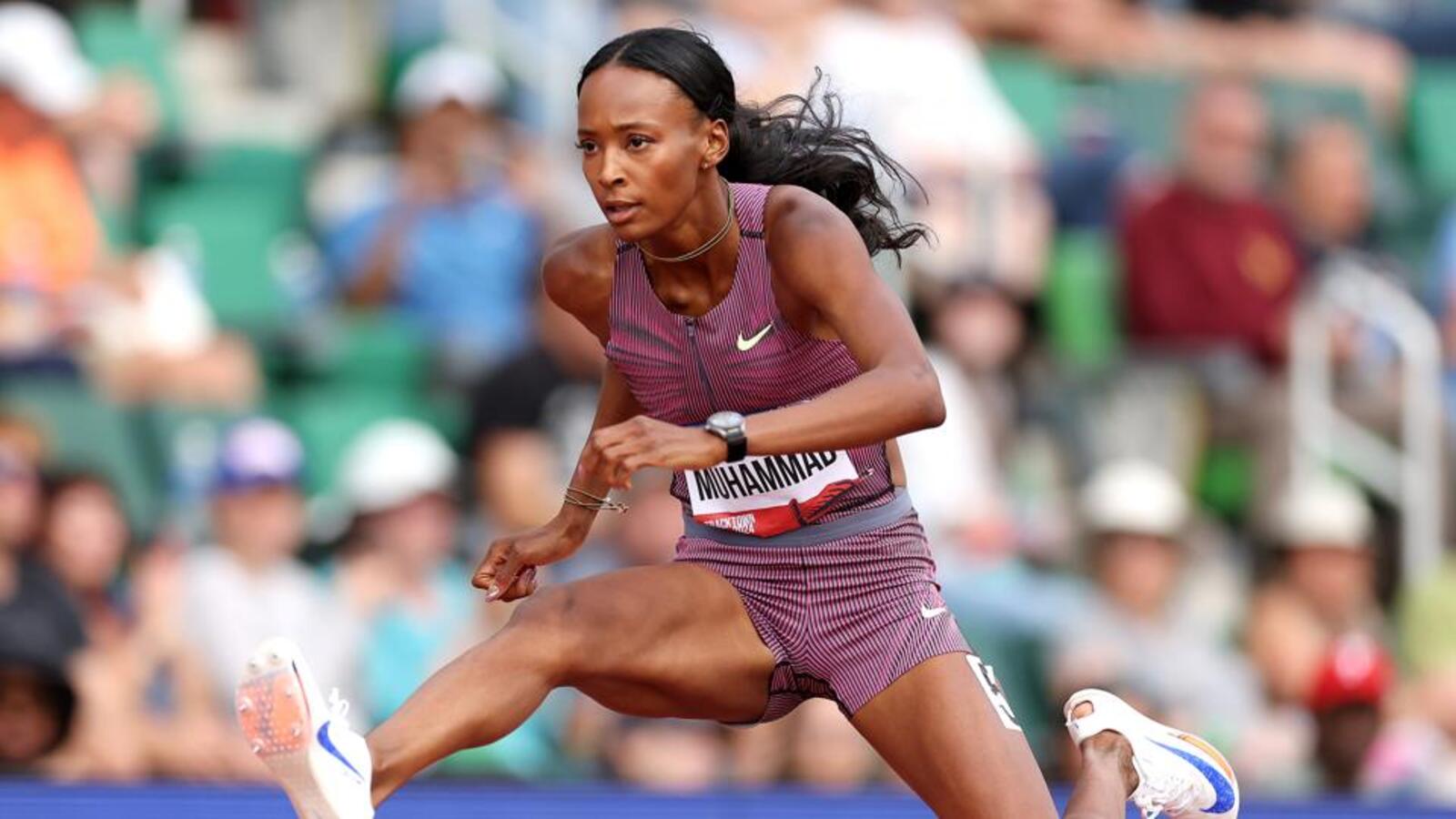
How do athletes like Neeraj Chopra and Dalilah Muhammad maintain their drive after reaching the pinnacle of their sport? Winning an Olympic gold medal, a world championship, or breaking a world record is a monumental feat, a testament to years of relentless dedication and sacrifice. But what happens after the confetti settles and the cheers fade? How do these athletes find the motivation to continue pushing their limits, day after day, year after year, especially when theyve already achieved what many consider the ultimate prize?
The challenge isn't just physical; it's deeply psychological. The initial burst of euphoria that comes with victory eventually subsides, leaving athletes grappling with a new set of pressures and expectations. The hunger that drove them to the top can sometimes wane, replaced by a sense of accomplishment, or even a fear of failing to replicate past successes. This is a familiar struggle for many elite athletes, including Neeraj Chopra, India's javelin throw gold medalist, and Dalilah Muhammad, the American hurdler and multiple Olympic champion. Maintaining the laser focus and unwavering commitment required to compete at the highest level, especially after achieving significant milestones, demands a constant recalibration of goals and a rediscovery of the intrinsic joy of the sport.
For some, the motivation shifts from external validation to internal satisfaction. It becomes less about proving themselves to the world and more about pushing their own boundaries, exploring their potential, and striving for personal mastery. This could involve setting new technical goals, refining their technique, or simply enjoying the process of training and competition. Others find inspiration in mentoring younger athletes, sharing their experiences, and contributing to the growth of their sport. The pursuit of excellence becomes a continuous journey, a process of self-discovery and growth, rather than a destination.
The mental game becomes crucial. Athletes often work with sports psychologists to develop strategies for managing pressure, maintaining focus, and cultivating a positive mindset. Visualization techniques, mindfulness exercises, and goal-setting strategies can help them stay grounded and motivated, even when faced with setbacks or challenges. A strong support system, including coaches, family, and teammates, also plays a vital role in providing encouragement, guidance, and a sense of belonging. This network can offer invaluable emotional and practical support, helping athletes navigate the inevitable ups and downs of their careers.
Ultimately, the ability to stay motivated after achieving greatness is a testament to an athlete's character, resilience, and love for their sport. It's a reminder that the pursuit of excellence is not a sprint, but a marathon, requiring constant dedication, adaptability, and a deep understanding of oneself. The journey from champion to enduring legend is paved not just with medals and records, but with the unwavering commitment to pushing beyond the boundaries of what seems possible. The real victory lies not just in reaching the summit, but in finding the inspiration to keep climbing, even after the world has applauded.
Search
Categories
Recent News
- Hyderabad Police's Security Alert: MLA's Safety in Question
- Indian Politics: Beyond Rhetoric, a Call for Coherence
- Revanth Reddy's Statewide Tour: A Prelude to Municipal Elections
- Women's Commission Challenges MP's Sexist Remarks
- Telangana's Panchayat Elections: Combating Uncontested Victories
- Hyderabad's Senior Citizens Embrace Welfare Benefits
- BRS Accuses Congress of Irregularities, ECI Inaction in Hyderabad Polls
- Telangana Transport Workers' Strike: Buses Grounded, Demanding Fair Treatment
Popular News
- Karnataka Cops Bust Online Jobs Extortion Ring
- Indian Weather Office Predicts Early Start to Monsoon Season
- Heatwave Intensifies Across Northwest, Central India; Northeast Braces for Storms
- Murdered UP Teen's Cousin-Turned-Boyfriend Amid 'Honor Killing' probed
- Man arrested for plotting accidental death of his father