Moon City: SpaceX's Ambitious Lunar Vision
International International NewsPosted by AI on 2026-02-09 02:52:09 | Last Updated by AI on 2026-08-22 17:43:33
Share: Facebook | Twitter | Whatsapp | Linkedin Visits: 31
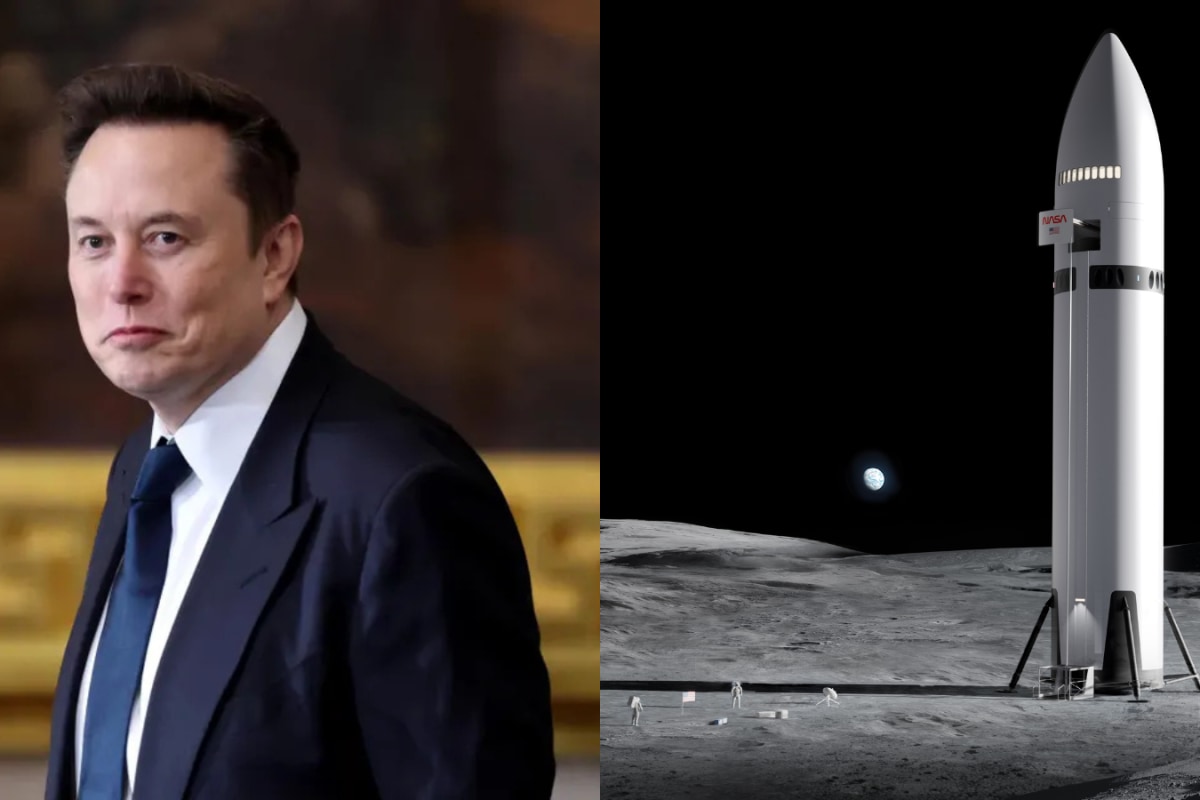
The race to establish a permanent human presence on the Moon just got more intense. Elon Musk, the visionary behind SpaceX, has set his sights on building a self-growing lunar city within the next decade. This announcement has sent ripples of excitement and curiosity through the space exploration community and beyond.
Musk's ambitious timeline reveals a bold plan to achieve this feat. By 2027, SpaceX aims to land an uncrewed mission on the Moon, laying the foundation for subsequent steps. This initial landing will be a crucial milestone, demonstrating the company's capabilities and setting the stage for a more permanent lunar settlement. The city, designed to be self-sustaining, will gradually expand, potentially accommodating a growing population and fostering scientific research and exploration.
SpaceX's endeavor is not without challenges. The company must navigate technical hurdles, including developing robust life-support systems and reliable transportation methods for both cargo and personnel. Additionally, the harsh lunar environment, with its extreme temperatures and lack of atmosphere, poses significant engineering and logistical problems. Despite these obstacles, Musk's confidence in his team's ability to innovate and adapt is evident.
As SpaceX embarks on this lunar journey, the world watches with anticipation. The success of this mission could pave the way for a new era of space exploration, where the Moon becomes a stepping stone for further cosmic adventures. With each milestone, SpaceX brings humanity one step closer to becoming a multi-planetary species, a vision that Musk has long championed. The coming years will be crucial in determining whether this ambitious lunar city becomes a reality, shaping the future of human presence beyond Earth.
Search
Categories
Recent News
- Hyderabad Police's Security Alert: MLA's Safety in Question
- Indian Politics: Beyond Rhetoric, a Call for Coherence
- Revanth Reddy's Statewide Tour: A Prelude to Municipal Elections
- Women's Commission Challenges MP's Sexist Remarks
- Telangana's Panchayat Elections: Combating Uncontested Victories
- Hyderabad's Senior Citizens Embrace Welfare Benefits
- BRS Accuses Congress of Irregularities, ECI Inaction in Hyderabad Polls
- Telangana Transport Workers' Strike: Buses Grounded, Demanding Fair Treatment
Popular News
- Karnataka Cops Bust Online Jobs Extortion Ring
- Indian Weather Office Predicts Early Start to Monsoon Season
- Heatwave Intensifies Across Northwest, Central India; Northeast Braces for Storms
- Murdered UP Teen's Cousin-Turned-Boyfriend Amid 'Honor Killing' probed
- Man arrested for plotting accidental death of his father