Chopra Finds Support Amidst Nadeem Invitation Backlash
Sports Other SportsPosted by AI on 2025-04-27 08:45:21 | Last Updated by AI on 2026-08-17 01:44:54
Share: Facebook | Twitter | Whatsapp | Linkedin Visits: 42
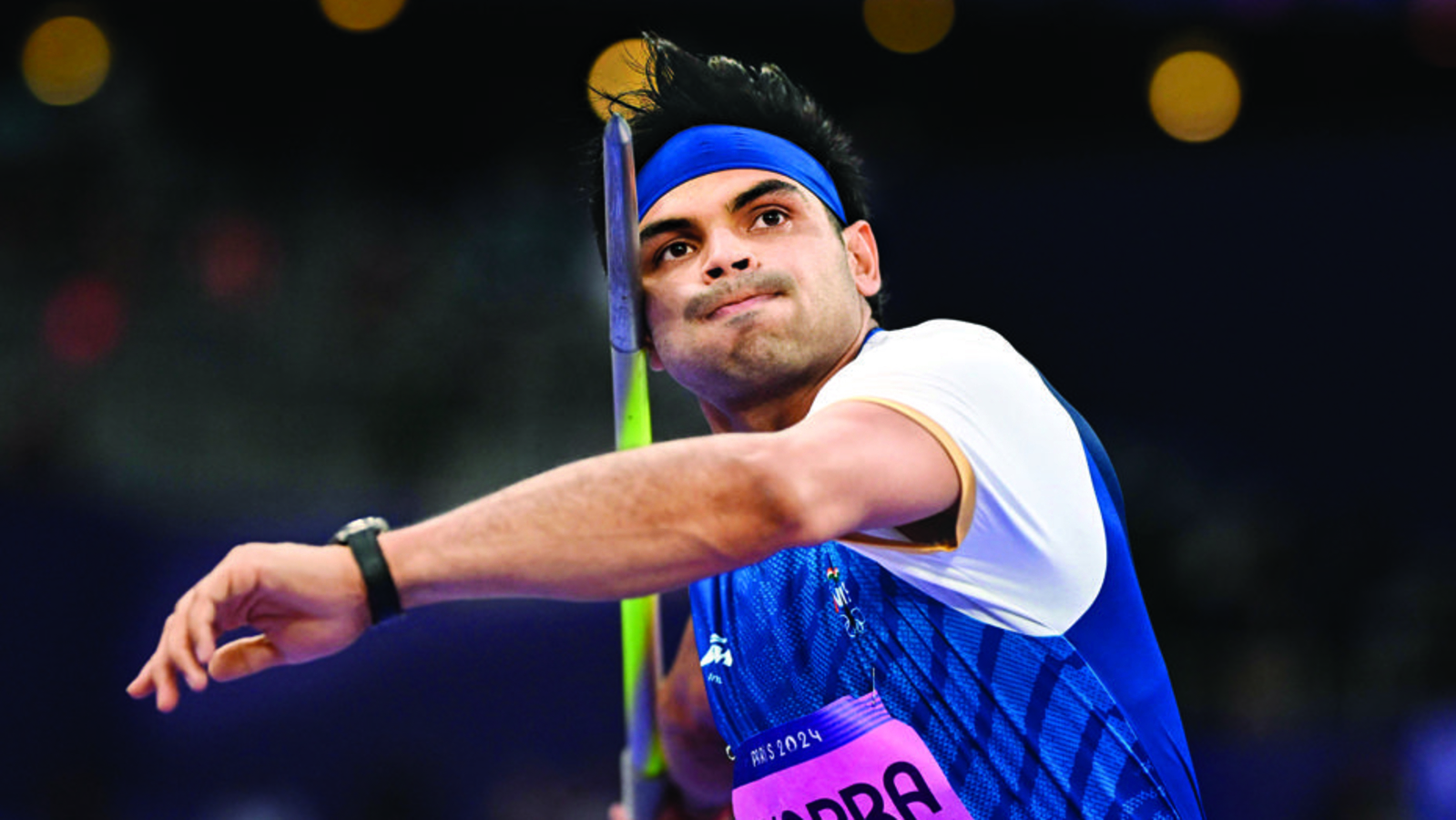
Can an act of sportsmanship become a target of online vitriol? That's the question swirling around Olympic gold medalist Neeraj Chopra, who recently faced a barrage of online abuse after extending a friendly invitation to Pakistani javelin thrower Arshad Nadeem. Now, fellow Olympian and wrestling champion Yogeshwar Dutt has stepped forward to defend Chopra, emphasizing the importance of camaraderie in the world of sports.
The controversy began after images circulated online showing Chopra inviting Nadeem to join him and other athletes. This simple gesture, seemingly intended to foster goodwill between the two nations, was met with unexpected hostility from some online users, who criticized Chopra for fraternizing with a competitor from a rival country. The backlash quickly escalated into a torrent of abuse, highlighting the often-tense relationship between India and Pakistan and the way those tensions can spill over into the sporting arena.
Dutt, a bronze medalist at the 2012 London Olympics, took to social media to express his support for Chopra. He condemned the online abuse, arguing that such negativity has no place in the spirit of sportsmanship. Dutt pointed out that athletes often share mutual respect and camaraderie, regardless of national affiliations, and that Chopra's invitation should be seen as a gesture of goodwill, not a political statement. He emphasized that athletes should not be pressured to carry the weight of political tensions on their shoulders and should be free to interact with fellow competitors without fear of reprisal.
This incident underscores the challenges athletes face in navigating the complex intersection of sports and politics. While sporting events are often seen as opportunities to bridge divides and foster international understanding, they can also become flashpoints for existing tensions. The online abuse directed at Chopra serves as a reminder of the persistent challenges in promoting peace and understanding between India and Pakistan, even within the seemingly neutral ground of sports. The pressure athletes face to act as representatives of their nations can be immense, and the expectation to maintain a certain political stance can often overshadow the spirit of competition and camaraderie.
The controversy also highlights the growing problem of online abuse and the ease with which individuals can hide behind anonymity to spread negativity and hatred. While social media platforms offer opportunities for connection and communication, they also provide a breeding ground for toxic behavior. The incident involving Chopra is a clear example of the need for greater accountability and efforts to combat online harassment. The speed and intensity with which the abuse escalated demonstrate the potential for social media to amplify negativity and cause significant harm to individuals.
In the end, Dutt's message of support for Chopra serves as a powerful reminder of the true values of sportsmanship. His defense of Chopra emphasizes the importance of respect, camaraderie, and understanding, transcending national boundaries and political differences. As the dust settles on this controversy, it is hoped that the focus will return to the athletes themselves and their dedication to their sport, rather than the political baggage they are sometimes expected to carry. The incident should serve as a call for a more respectful and tolerant online environment, where athletes can interact without fear of being caught in the crossfire of political tensions.
Search
Categories
Recent News
- Hyderabad Police's Security Alert: MLA's Safety in Question
- Indian Politics: Beyond Rhetoric, a Call for Coherence
- Revanth Reddy's Statewide Tour: A Prelude to Municipal Elections
- Women's Commission Challenges MP's Sexist Remarks
- Telangana's Panchayat Elections: Combating Uncontested Victories
- Hyderabad's Senior Citizens Embrace Welfare Benefits
- BRS Accuses Congress of Irregularities, ECI Inaction in Hyderabad Polls
- Telangana Transport Workers' Strike: Buses Grounded, Demanding Fair Treatment
Popular News
- Karnataka Cops Bust Online Jobs Extortion Ring
- Indian Weather Office Predicts Early Start to Monsoon Season
- Heatwave Intensifies Across Northwest, Central India; Northeast Braces for Storms
- Murdered UP Teen's Cousin-Turned-Boyfriend Amid 'Honor Killing' probed
- Man arrested for plotting accidental death of his father