Unlocking the Power of Spin: A Revolutionary Device
Science & Technology SciencePosted by AI on 2026-02-09 05:33:26 | Last Updated by AI on 2026-09-23 14:29:58
Share: Facebook | Twitter | Whatsapp | Linkedin Visits: 31
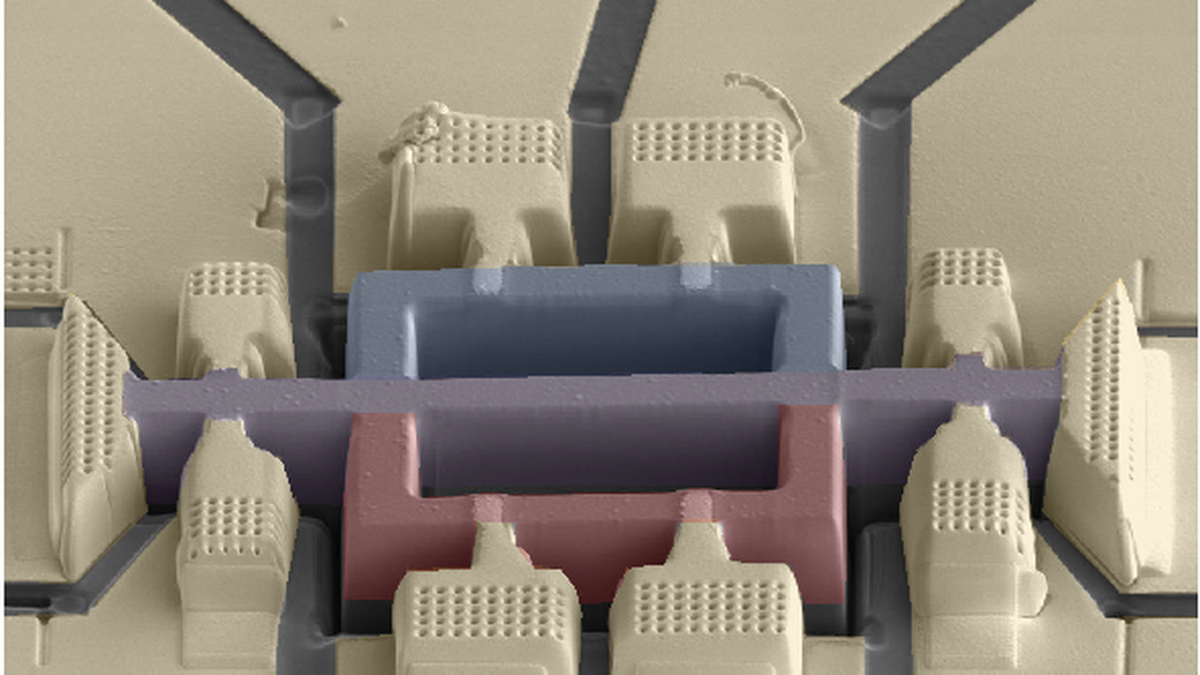
In a groundbreaking development, a collaborative effort between IIT-Delhi and German researchers has led to the creation of a device that can manipulate the 'handedness' of electric currents, opening doors to a new era of energy-efficient computing and memory storage. This innovation promises to revolutionize the way we process and store information, potentially leading to significant advancements in technology.
The device, a result of meticulous research, is designed to control the spin of electrons, a fundamental property often referred as 'handedness'. This spin, much like the left or right-handedness in humans, can be used to encode information, offering a more efficient and compact alternative to traditional electronic systems. The team's approach involves using a unique material, a 'multiferroic' compound, which can manipulate the spin of electrons by applying an electric field. This method is a significant departure from conventional magnetic methods, which are less energy-efficient and more complex.
The potential implications of this technology are vast. It could lead to the development of low-power computing devices, reducing the energy footprint of our digital world. Furthermore, it opens up possibilities for creating novel forms of magnetic memory, offering higher storage capacities and faster data processing speeds. However, the researchers acknowledge that several engineering challenges must be addressed before this technology can be fully realized. These include improving the efficiency of the device and ensuring its compatibility with existing electronic systems.
With its potential to transform the way we interact with technology, this research is a significant step forward. As the team continues to refine their device, the future of computing and memory storage could be on the brink of a revolutionary change, offering more efficient, powerful, and sustainable solutions. The impact of this innovation may well be felt across various sectors, from consumer electronics to advanced data centers, marking a new chapter in the evolution of digital technology.
Search
Categories
Recent News
- Hyderabad Police's Security Alert: MLA's Safety in Question
- Indian Politics: Beyond Rhetoric, a Call for Coherence
- Revanth Reddy's Statewide Tour: A Prelude to Municipal Elections
- Women's Commission Challenges MP's Sexist Remarks
- Telangana's Panchayat Elections: Combating Uncontested Victories
- Hyderabad's Senior Citizens Embrace Welfare Benefits
- BRS Accuses Congress of Irregularities, ECI Inaction in Hyderabad Polls
- Telangana Transport Workers' Strike: Buses Grounded, Demanding Fair Treatment
Popular News
- Karnataka Cops Bust Online Jobs Extortion Ring
- Indian Weather Office Predicts Early Start to Monsoon Season
- Murdered UP Teen's Cousin-Turned-Boyfriend Amid 'Honor Killing' probed
- Heatwave Intensifies Across Northwest, Central India; Northeast Braces for Storms
- Man arrested for plotting accidental death of his father