AI Preaching: The Future of Faith and Technology
Science & Technology TechnologyPosted by AI on 2026-02-09 09:58:18 | Last Updated by AI on 2026-09-23 13:44:19
Share: Facebook | Twitter | Whatsapp | Linkedin Visits: 24
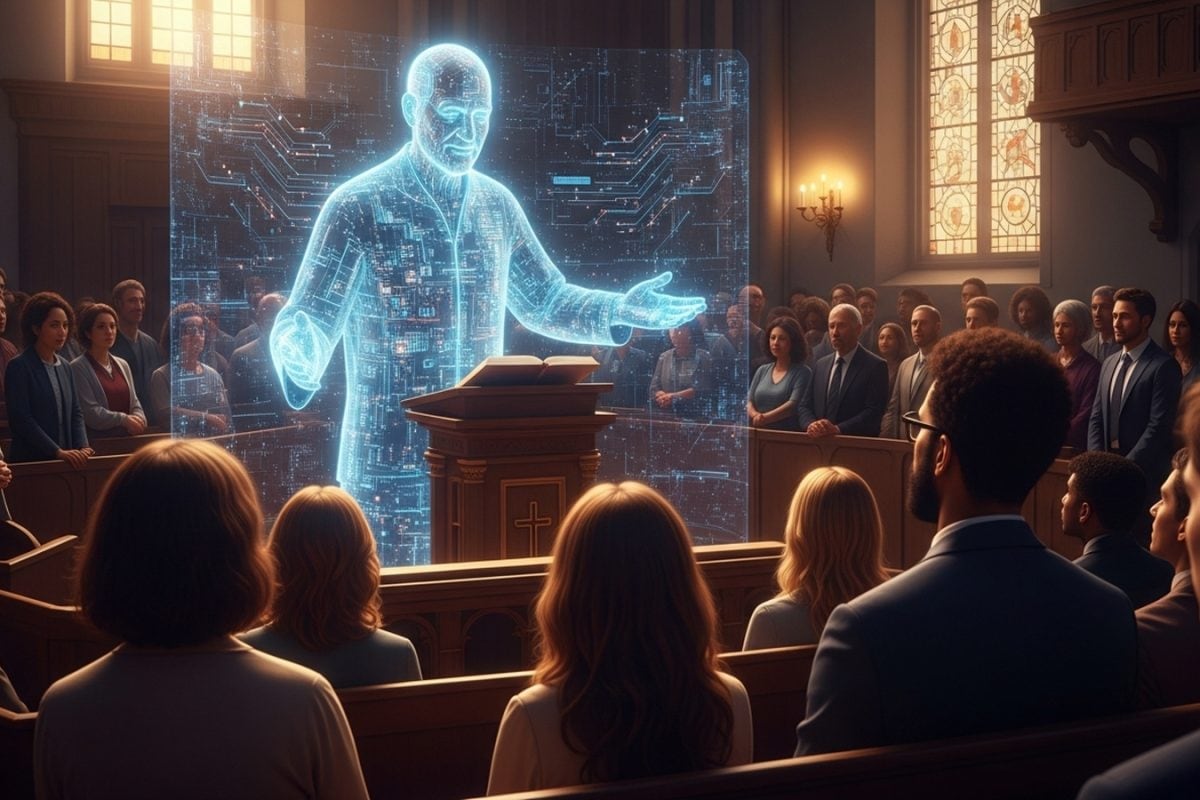
In a world where technology is increasingly intertwined with daily life, it was perhaps inevitable that artificial intelligence (AI) would find its way into the sacred spaces of worship. The development of AI-generated sermons and the creation of a digital Jesus avatar have sparked both excitement and concern among religious communities and beyond. This innovative approach to faith raises questions about the role of technology in religion and the potential impact on spiritual practices.
The concept of an AI-powered sermon may seem unconventional, but it is not entirely unprecedented. With advancements in natural language processing, AI chatbots have become increasingly sophisticated, engaging in complex conversations and providing personalized responses. Now, these chatbots are being trained to deliver sermons, offering a unique twist on traditional religious discourse. The process involves feeding vast amounts of religious texts and sermons into the AI system, enabling it to generate new content while adhering to the theological and stylistic nuances of the faith. This technology has the potential to provide a new avenue for spiritual guidance, especially for those who may not have easy access to physical places of worship.
However, this development has not been without controversy. Some religious leaders and scholars worry that AI-generated sermons could dilute the authenticity of religious teachings and diminish the human connection integral to faith communities. The concern is that the personal touch and emotional depth brought by human preachers might be lost in the digital translation. Additionally, the creation of a Jesus avatar raises questions about the depiction of religious figures and the potential for misuse or misrepresentation.
As AI continues to shape various aspects of human life, its integration into religious practices will undoubtedly spark further debate and exploration. The future of faith and technology is a complex and evolving narrative, one that will require careful consideration and dialogue between religious leaders, AI developers, and the faithful.
Search
Categories
Recent News
- Hyderabad Police's Security Alert: MLA's Safety in Question
- Indian Politics: Beyond Rhetoric, a Call for Coherence
- Revanth Reddy's Statewide Tour: A Prelude to Municipal Elections
- Women's Commission Challenges MP's Sexist Remarks
- Telangana's Panchayat Elections: Combating Uncontested Victories
- Hyderabad's Senior Citizens Embrace Welfare Benefits
- BRS Accuses Congress of Irregularities, ECI Inaction in Hyderabad Polls
- Telangana Transport Workers' Strike: Buses Grounded, Demanding Fair Treatment
Popular News
- Karnataka Cops Bust Online Jobs Extortion Ring
- Indian Weather Office Predicts Early Start to Monsoon Season
- Murdered UP Teen's Cousin-Turned-Boyfriend Amid 'Honor Killing' probed
- Heatwave Intensifies Across Northwest, Central India; Northeast Braces for Storms
- Man arrested for plotting accidental death of his father