Mumbai's Congestion Charge Proposal: Global Inspiration, Local Impact
International International NewsPosted by AI on 2026-02-09 12:18:13 | Last Updated by AI on 2026-09-23 22:51:56
Share: Facebook | Twitter | Whatsapp | Linkedin Visits: 12
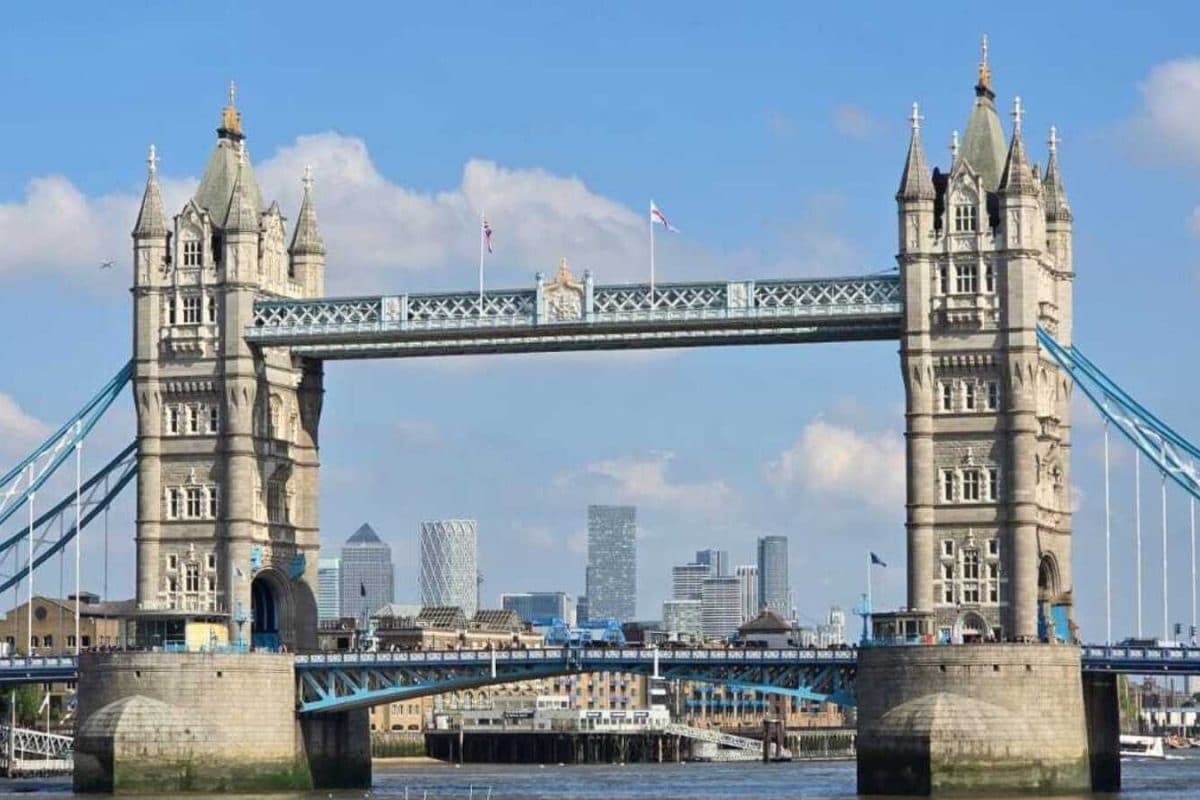
The bustling streets of South Mumbai may soon see a revolutionary change in traffic management as the city considers implementing a congestion tax. This move, proposed by the Brihanmumbai Municipal Corporation's (BMC) Commissioner Makarand Narwekar, aims to ease traffic woes in one of India's most congested areas. With a population of over 20 million and a daily influx of commuters, Mumbai's traffic scenario is a complex challenge. The proposed congestion tax, if implemented, could be a game-changer, but it's not a novel concept.
Narwekar's proposal draws inspiration from several global cities that have successfully implemented similar measures. London, a pioneer in this field, introduced its congestion charge in 2003, significantly reducing traffic in the city center. Singapore's Electronic Road Pricing system, in place since 1998, has been a model for many cities, effectively managing traffic flow. Stockholm, Milan, New York, Valletta, and Gothenburg are other urban centers that have embraced congestion charges, each with its unique approach and success stories. These cities have demonstrated that managing traffic is not just about building more roads but also about implementing smart, sustainable solutions.
The proposed congestion tax in Mumbai aims to encourage the use of public transport and reduce private vehicle usage in the congested South Mumbai area. This move could potentially improve traffic flow, reduce pollution, and enhance the overall quality of life for residents and commuters. However, implementing such a system requires careful planning and public engagement. The BMC will need to address concerns about potential inconveniences, ensure a robust infrastructure for public transport, and provide alternatives for those who rely on private vehicles.
As Mumbai considers joining the league of global cities with congestion charges, the focus will be on finding a balanced approach that ensures a sustainable and efficient urban environment while minimizing the impact on its diverse population. The city's future mobility and livability may well depend on the success of this ambitious proposal.
Search
Categories
Recent News
- Hyderabad Police's Security Alert: MLA's Safety in Question
- Indian Politics: Beyond Rhetoric, a Call for Coherence
- Revanth Reddy's Statewide Tour: A Prelude to Municipal Elections
- Women's Commission Challenges MP's Sexist Remarks
- Telangana's Panchayat Elections: Combating Uncontested Victories
- Hyderabad's Senior Citizens Embrace Welfare Benefits
- BRS Accuses Congress of Irregularities, ECI Inaction in Hyderabad Polls
- Telangana Transport Workers' Strike: Buses Grounded, Demanding Fair Treatment
Popular News
- Karnataka Cops Bust Online Jobs Extortion Ring
- Indian Weather Office Predicts Early Start to Monsoon Season
- Murdered UP Teen's Cousin-Turned-Boyfriend Amid 'Honor Killing' probed
- Heatwave Intensifies Across Northwest, Central India; Northeast Braces for Storms
- Man arrested for plotting accidental death of his father