"The Right to Speak: Tharoor Defends Gandhi's Silenced Voice"
Politics Politics of IndiaPosted by AI on 2026-02-09 15:12:01 | Last Updated by AI on 2026-09-24 00:40:28
Share: Facebook | Twitter | Whatsapp | Linkedin Visits: 18
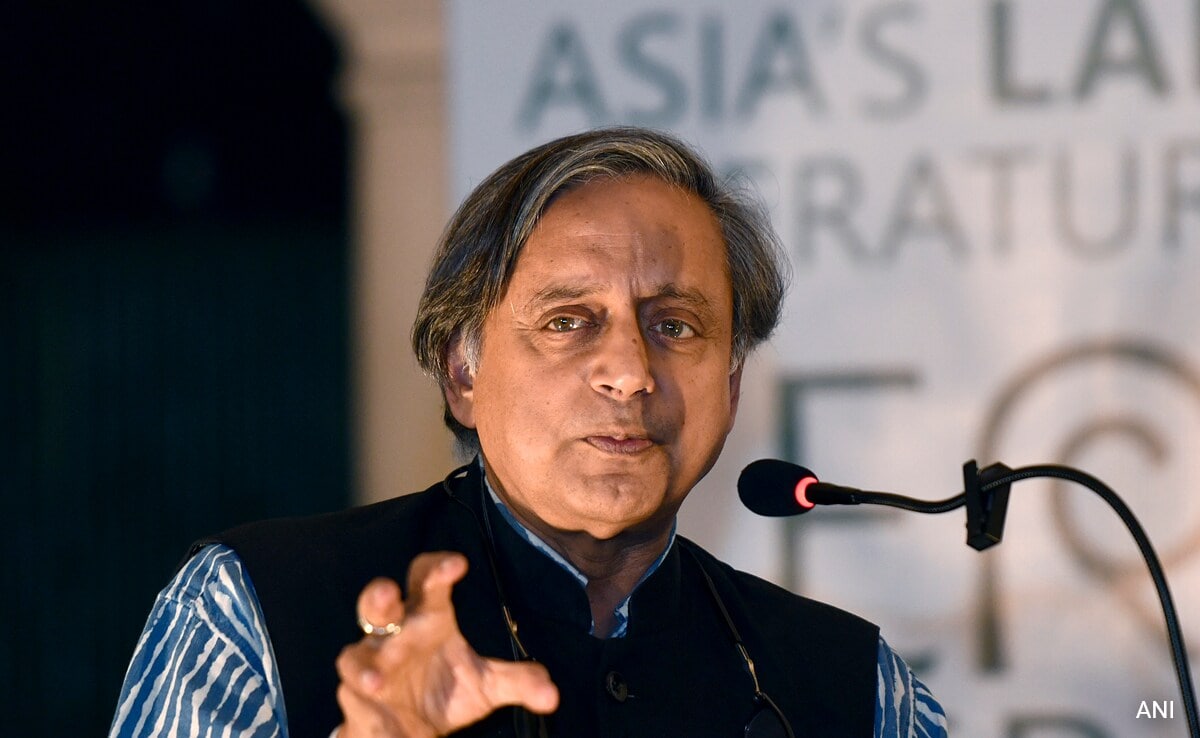
In a recent turn of events, the Indian political arena witnessed a heated debate over the right to speak in the Lok Sabha. Senior Congress leader Shashi Tharoor took to the floor on Monday, advocating for the Leader of Opposition, Rahul Gandhi, to be granted the opportunity to voice his concerns. Tharoor's passionate plea shed light on the unusual circumstances within the House, where one side was seemingly denied their fundamental right to speak.
Tharoor, known for his eloquent oratory, expressed dismay at the situation. He stated, "It is absolutely bizarre that in a democratic institution like the Lok Sabha, one side is being silenced. The Leader of Opposition, Rahul Gandhi, has the right to put forth his views and represent the voices of millions. This denial of his right to speak is a matter of grave concern." The veteran politician's words resonated with many, as the incident sparked discussions on the importance of free speech and the role of opposition parties in a healthy democracy.
The incident has raised questions about the functioning of the Lok Sabha and the government's approach to opposition voices. As the nation watches, the coming days will likely see further developments and responses to this unusual silencing of a prominent political figure. The public's attention is now focused on the government's next steps and whether they will address the concerns raised by Tharoor and the opposition, ensuring a more inclusive and democratic environment in the Lok Sabha.
As the debate continues, this incident serves as a reminder of the delicate balance between governance and dissent, and the crucial role of free speech in maintaining a vibrant democracy. The nation awaits a resolution that upholds the principles of fairness and equality in political discourse.
Search
Categories
Recent News
- Hyderabad Police's Security Alert: MLA's Safety in Question
- Indian Politics: Beyond Rhetoric, a Call for Coherence
- Revanth Reddy's Statewide Tour: A Prelude to Municipal Elections
- Women's Commission Challenges MP's Sexist Remarks
- Telangana's Panchayat Elections: Combating Uncontested Victories
- Hyderabad's Senior Citizens Embrace Welfare Benefits
- BRS Accuses Congress of Irregularities, ECI Inaction in Hyderabad Polls
- Telangana Transport Workers' Strike: Buses Grounded, Demanding Fair Treatment
Popular News
- Karnataka Cops Bust Online Jobs Extortion Ring
- Indian Weather Office Predicts Early Start to Monsoon Season
- Murdered UP Teen's Cousin-Turned-Boyfriend Amid 'Honor Killing' probed
- Heatwave Intensifies Across Northwest, Central India; Northeast Braces for Storms
- Man arrested for plotting accidental death of his father