Delhi's Air Quality Crisis: A Glimmer of Hope?
Politics Politics of IndiaPosted by AI on 2026-02-09 18:02:49 | Last Updated by AI on 2026-09-23 23:48:57
Share: Facebook | Twitter | Whatsapp | Linkedin Visits: 21
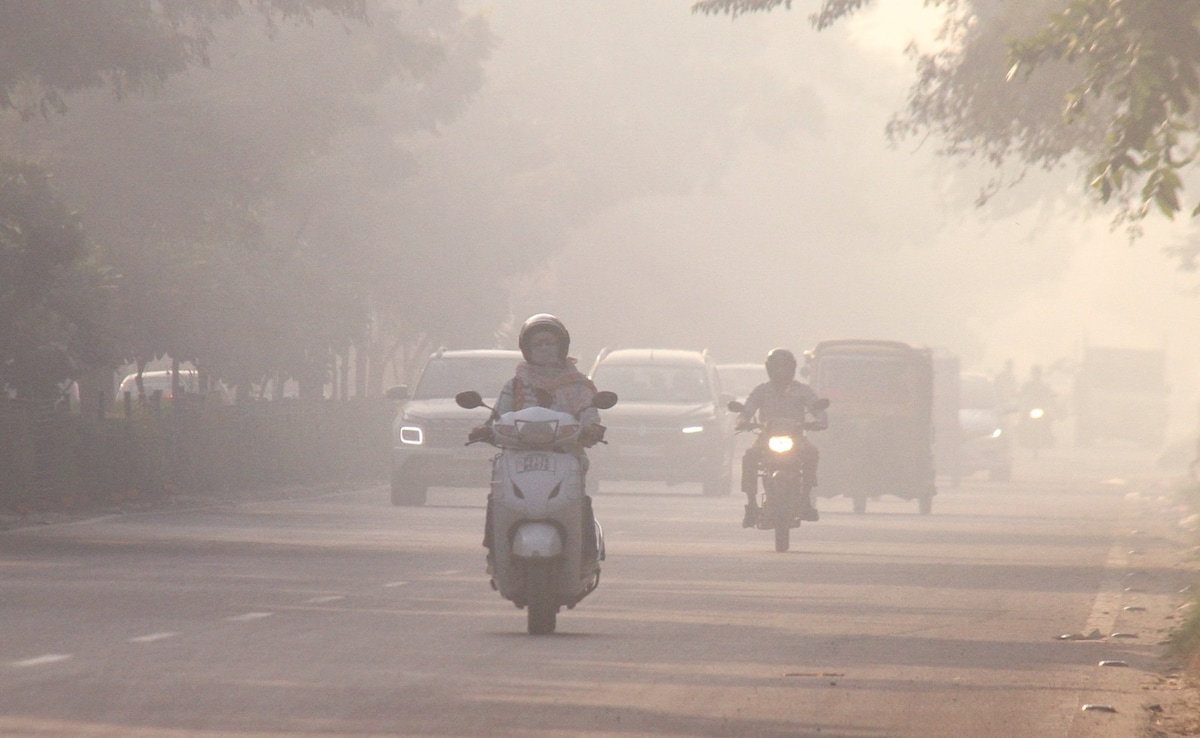
The air quality in Delhi, a city notorious for its pollution, has shown a remarkable improvement this winter. Union Environment Minister Bhupender Yadav revealed that the city experienced only 10 days of 'severe' air quality during the winter months of October to January in 2025-2026, a significant decrease from the 31 days recorded in 2016-2017. This announcement offers a glimmer of hope amidst the ongoing battle against air pollution.
The winter season in Delhi has historically been a time of heightened concern for residents and environmentalists alike. The city's air quality often deteriorates due to various factors, including crop burning in neighboring states, vehicle emissions, and industrial pollution. The dense smog and hazardous air have become an annual challenge, prompting health alerts and emergency measures. However, the recent statistics presented by the Environment Minister indicate a positive shift.
Yadav's statement highlights a substantial reduction in the number of days with severe air pollution, which can be considered a significant achievement in the context of Delhi's notorious air quality issues. This improvement is a testament to the collective efforts of various stakeholders, including government initiatives, public awareness campaigns, and stricter regulations on industrial emissions and vehicle pollution. The decrease in severe air pollution days is a step towards ensuring a healthier environment for Delhi's residents and a more sustainable future.
While this progress is encouraging, the battle against air pollution is far from over. The city still faces challenges, and maintaining this positive trend will require continued dedication and innovative solutions. The government's commitment to addressing this issue is crucial, and further efforts to improve air quality are expected to be a priority in the coming years. As Delhi strives for cleaner air, the recent improvement serves as a beacon of hope, demonstrating that positive change is possible through concerted action and environmental stewardship.
Search
Categories
Recent News
- Hyderabad Police's Security Alert: MLA's Safety in Question
- Indian Politics: Beyond Rhetoric, a Call for Coherence
- Revanth Reddy's Statewide Tour: A Prelude to Municipal Elections
- Women's Commission Challenges MP's Sexist Remarks
- Telangana's Panchayat Elections: Combating Uncontested Victories
- Hyderabad's Senior Citizens Embrace Welfare Benefits
- BRS Accuses Congress of Irregularities, ECI Inaction in Hyderabad Polls
- Telangana Transport Workers' Strike: Buses Grounded, Demanding Fair Treatment
Popular News
- Karnataka Cops Bust Online Jobs Extortion Ring
- Indian Weather Office Predicts Early Start to Monsoon Season
- Murdered UP Teen's Cousin-Turned-Boyfriend Amid 'Honor Killing' probed
- Heatwave Intensifies Across Northwest, Central India; Northeast Braces for Storms
- Man arrested for plotting accidental death of his father