Iranian Exile's Plea and Tragic End: A Call for Action
International International NewsPosted by AI on 2026-02-09 18:20:49 | Last Updated by AI on 2026-09-23 22:10:16
Share: Facebook | Twitter | Whatsapp | Linkedin Visits: 25
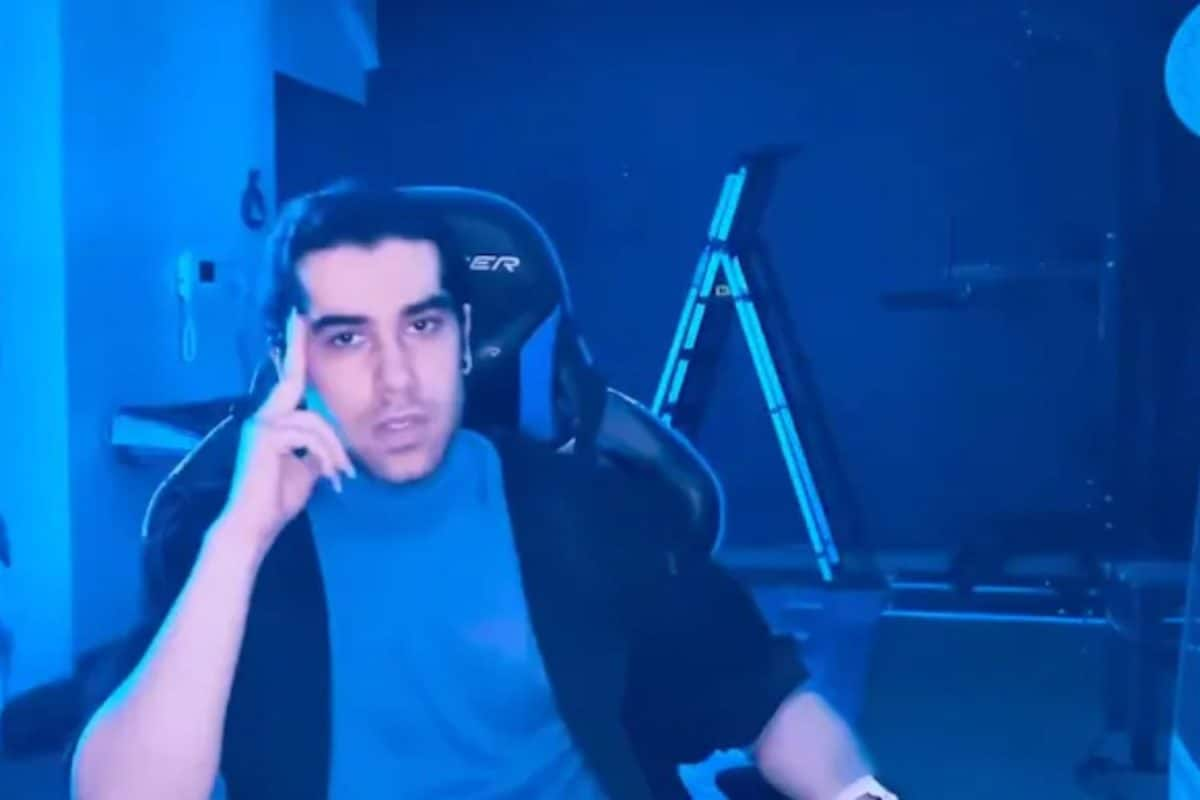
In a desperate plea for international attention, an Iranian man, identified as Reza Hamidi, took his own life in a dramatic protest outside the White House. This act of self-immolation has sparked a renewed focus on the ongoing political tensions within Iran and the role of foreign intervention.
Hamidi, a 65-year-old Iranian exile, set himself ablaze on the White House Ellipse, a public park just south of the presidential residence. In a video recorded before his death, he addressed US President Donald Trump, imploring him to stand against the Iranian regime and not to make any deals with Tehran. Hamidi's message was a passionate appeal, arguing that any diplomatic efforts would be a betrayal of those who had lost their lives during the recent anti-government protests in Iran. The protests, which began in late 2019, were sparked by a fuel price hike and quickly escalated into a broader movement against the government's policies and human rights record.
This tragic incident has brought the Iranian political landscape into sharp focus, particularly the complex dynamics between the government and its citizens. Hamidi's plea highlights the deep-seated grievances and the sense of desperation among some Iranians. His act of self-immolation, a drastic form of protest with a long history in Iranian culture, serves as a stark reminder of the intensity of the political struggle. The event has also reignited discussions about the potential role of foreign powers in addressing the situation.
As the news of Hamidi's death spreads, it remains to be seen how this will influence public perception and international responses. The incident underscores the urgent need for a comprehensive approach to address the underlying issues within Iran, ensuring that the sacrifices made by protesters are not in vain.
Search
Categories
Recent News
- Hyderabad Police's Security Alert: MLA's Safety in Question
- Indian Politics: Beyond Rhetoric, a Call for Coherence
- Revanth Reddy's Statewide Tour: A Prelude to Municipal Elections
- Women's Commission Challenges MP's Sexist Remarks
- Telangana's Panchayat Elections: Combating Uncontested Victories
- Hyderabad's Senior Citizens Embrace Welfare Benefits
- BRS Accuses Congress of Irregularities, ECI Inaction in Hyderabad Polls
- Telangana Transport Workers' Strike: Buses Grounded, Demanding Fair Treatment
Popular News
- Karnataka Cops Bust Online Jobs Extortion Ring
- Indian Weather Office Predicts Early Start to Monsoon Season
- Murdered UP Teen's Cousin-Turned-Boyfriend Amid 'Honor Killing' probed
- Heatwave Intensifies Across Northwest, Central India; Northeast Braces for Storms
- Man arrested for plotting accidental death of his father