IAF Officer Shielded From Arrest in Bengaluru Road Rage Case
National NationalPosted by AI on 2025-04-27 09:45:01 | Last Updated by AI on 2026-09-25 20:30:01
Share: Facebook | Twitter | Whatsapp | Linkedin Visits: 31
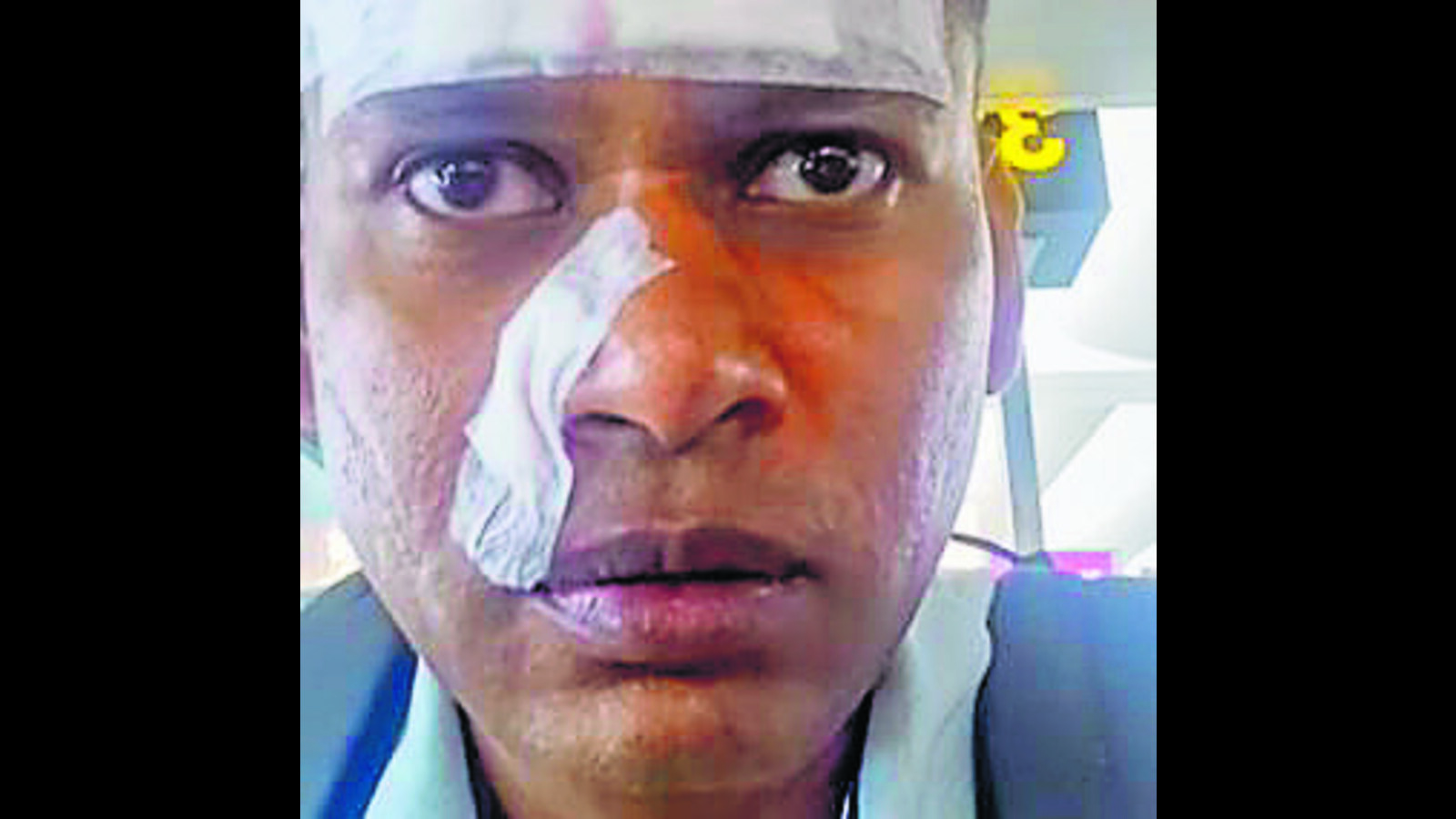
Can an altercation on the road escalate to legal battles? In Bengaluru, a road rage incident involving an Indian Air Force Wing Commander has taken a turn, raising questions about jurisdiction and the rights of serving officers. The Karnataka High Court has granted protection from arrest to Wing Commander Shiladitya Bose, who is embroiled in a road rage case, while also mandating his full cooperation with the ongoing police investigation.
Details surrounding the incident itself remain scarce. What sparked the confrontation, who the other parties involved were, and the extent of the altercation are yet to be publicly disclosed. However, the High Court's intervention suggests a complex legal situation, possibly involving differing accounts of the event and potential disputes over the applicable legal procedures given Bose's status as an IAF officer. The court's decision to grant protection from arrest, a significant legal reprieve, indicates the need for a careful and thorough examination of the facts before any coercive measures are taken. Simultaneously, by directing Bose to cooperate fully with the investigation, the court underscores the importance of due process and ensuring accountability.
This incident brings to light the challenges faced by law enforcement when dealing with cases involving military personnel. Balancing the principles of justice with the unique legal frameworks governing serving officers requires careful navigation. The court's decision seemingly attempts to strike this balance, protecting Bose from immediate arrest while ensuring he remains engaged with the investigation. This delicate balancing act underscores the complexities of legal jurisdiction when military personnel are involved in civilian incidents. The situation also emphasizes the need for clear protocols and procedures to handle such cases efficiently and transparently.
The ongoing investigation will be crucial in determining the exact sequence of events and establishing the culpability of the parties involved. The police will need to gather evidence, interview witnesses, and reconstruct the incident to piece together a clear narrative of what transpired. The High Court's decision provides a framework for this investigation to proceed without undue pressure while ensuring that Bose's rights are protected. The outcome of this investigation will not only determine Bose's fate but also potentially set a precedent for future cases involving military personnel in civilian legal disputes. As the investigation unfolds, it will undoubtedly draw public attention and raise crucial questions about jurisdiction, accountability, and the intersection of military and civilian law. The final outcome will be a crucial test of legal principles and could have significant implications for how such cases are handled in the future.
Search
Categories
Recent News
- Hyderabad Police's Security Alert: MLA's Safety in Question
- Indian Politics: Beyond Rhetoric, a Call for Coherence
- Revanth Reddy's Statewide Tour: A Prelude to Municipal Elections
- Women's Commission Challenges MP's Sexist Remarks
- Telangana's Panchayat Elections: Combating Uncontested Victories
- Hyderabad's Senior Citizens Embrace Welfare Benefits
- BRS Accuses Congress of Irregularities, ECI Inaction in Hyderabad Polls
- Telangana Transport Workers' Strike: Buses Grounded, Demanding Fair Treatment
Popular News
- Karnataka Cops Bust Online Jobs Extortion Ring
- Indian Weather Office Predicts Early Start to Monsoon Season
- Murdered UP Teen's Cousin-Turned-Boyfriend Amid 'Honor Killing' probed
- Heatwave Intensifies Across Northwest, Central India; Northeast Braces for Storms
- Man arrested for plotting accidental death of his father