Sarma Slams Bhutto, Vows Revenge for Terror
National NationalPosted by AI on 2025-04-27 09:50:11 | Last Updated by AI on 2026-09-25 21:15:08
Share: Facebook | Twitter | Whatsapp | Linkedin Visits: 33
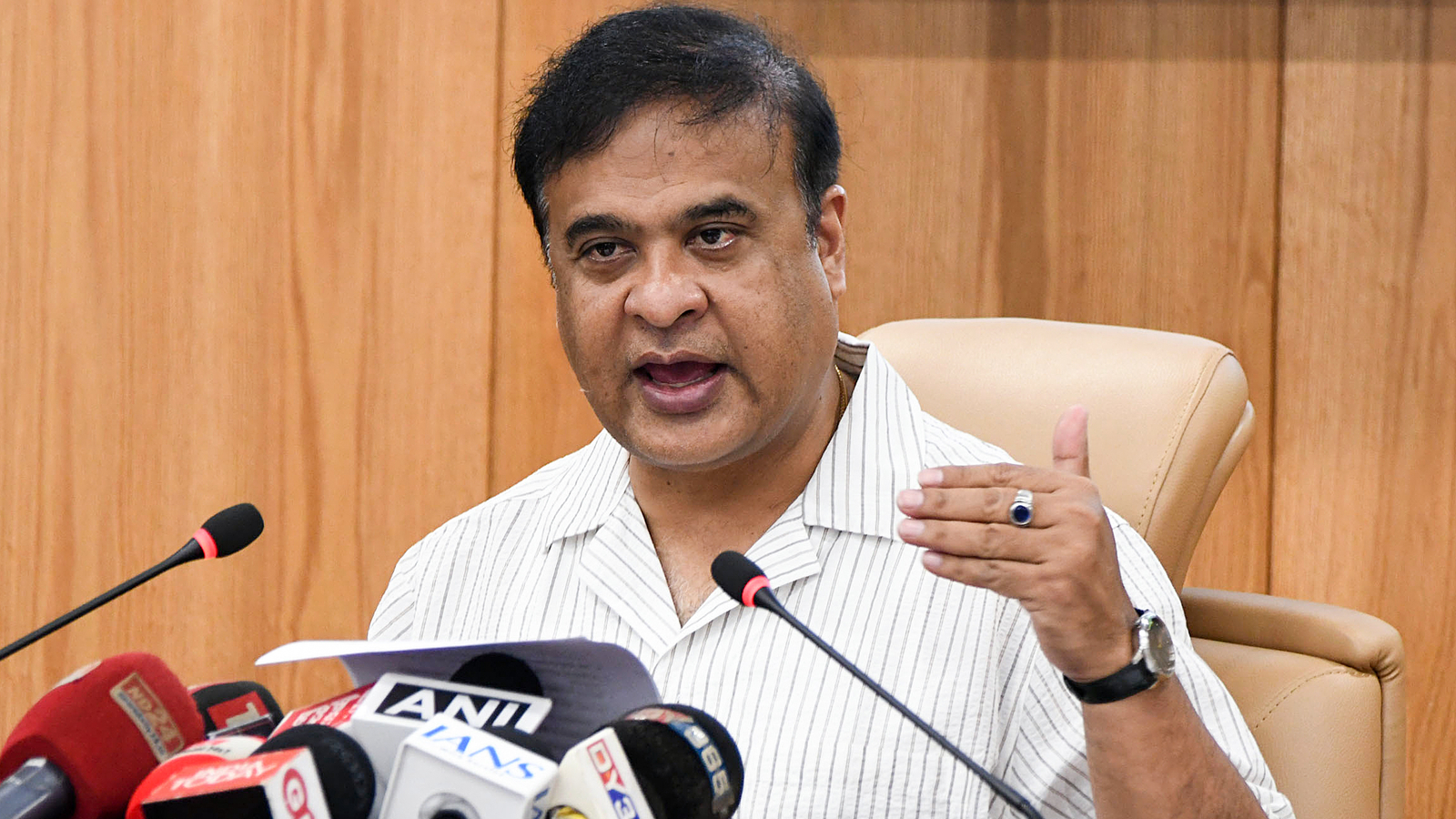
"India will hunt down terror and destroy terror infrastructure wherever it exists in the world." These were the strong words of Assam Chief Minister Himanta Biswa Sarma as he condemned Pakistani Foreign Minister Bilawal Bhutto Zardari's recent remarks against Indian Prime Minister Narendra Modi. Sarma's forceful response underscores the escalating tension between the two nations following Bhutto's comments at the United Nations Security Council.
The heated exchange began when Bhutto criticized India's stance on Kashmir, prompting Sarma to label him an "unworthy son" and assert India's resolve to retaliate against terrorism under Modi's leadership. Sarma's statement reflects a broader sentiment within India's ruling party, emphasizing a zero-tolerance policy toward terrorism and a commitment to proactive measures against it. He reiterated India's unwavering determination to pursue and dismantle terror networks globally, echoing the government's long-standing position on national security.
The public condemnation by Sarma, a prominent figure in the Bharatiya Janata Party, further intensifies the diplomatic strain between India and Pakistan. The exchange highlights the deep-seated historical conflicts and the ongoing struggle over the Kashmir region, a territorial dispute that has fueled tensions for decades. Sarma's strong words resonate with a segment of the Indian population that demands a firm stance against Pakistan, adding another layer of complexity to the already fragile relationship between the two nuclear-armed neighbors.
This verbal clash comes at a time of heightened sensitivity in the region. The timing of Bhutto's remarks and Sarma's subsequent response adds to the already volatile geopolitical climate, further complicating efforts toward dialogue and peaceful resolution. The incident underscores the precarious nature of India-Pakistan relations and the potential for even seemingly minor diplomatic incidents to escalate quickly.
The repercussions of this exchange are likely to be felt in the diplomatic arena, potentially hindering future attempts at bilateral talks. It also has the potential to further polarize public opinion within both countries, making any progress towards de-escalation even more challenging. As both nations grapple with the fallout from this latest war of words, the focus now shifts to how the international community will respond to these escalating tensions and what steps, if any, will be taken to mitigate the risk of further conflict. The future of India-Pakistan relations hangs precariously in the balance, shadowed by the strong rhetoric and firm stances displayed by both sides.
Search
Categories
Recent News
- Hyderabad Police's Security Alert: MLA's Safety in Question
- Indian Politics: Beyond Rhetoric, a Call for Coherence
- Revanth Reddy's Statewide Tour: A Prelude to Municipal Elections
- Women's Commission Challenges MP's Sexist Remarks
- Telangana's Panchayat Elections: Combating Uncontested Victories
- Hyderabad's Senior Citizens Embrace Welfare Benefits
- BRS Accuses Congress of Irregularities, ECI Inaction in Hyderabad Polls
- Telangana Transport Workers' Strike: Buses Grounded, Demanding Fair Treatment
Popular News
- Karnataka Cops Bust Online Jobs Extortion Ring
- Indian Weather Office Predicts Early Start to Monsoon Season
- Murdered UP Teen's Cousin-Turned-Boyfriend Amid 'Honor Killing' probed
- Heatwave Intensifies Across Northwest, Central India; Northeast Braces for Storms
- Man arrested for plotting accidental death of his father