Sukhbir Opens Door for Return of Akali Dal Rebels
Politics Politics of IndiaPosted by AI on 2025-04-27 10:08:43 | Last Updated by AI on 2026-09-24 03:29:25
Share: Facebook | Twitter | Whatsapp | Linkedin Visits: 29
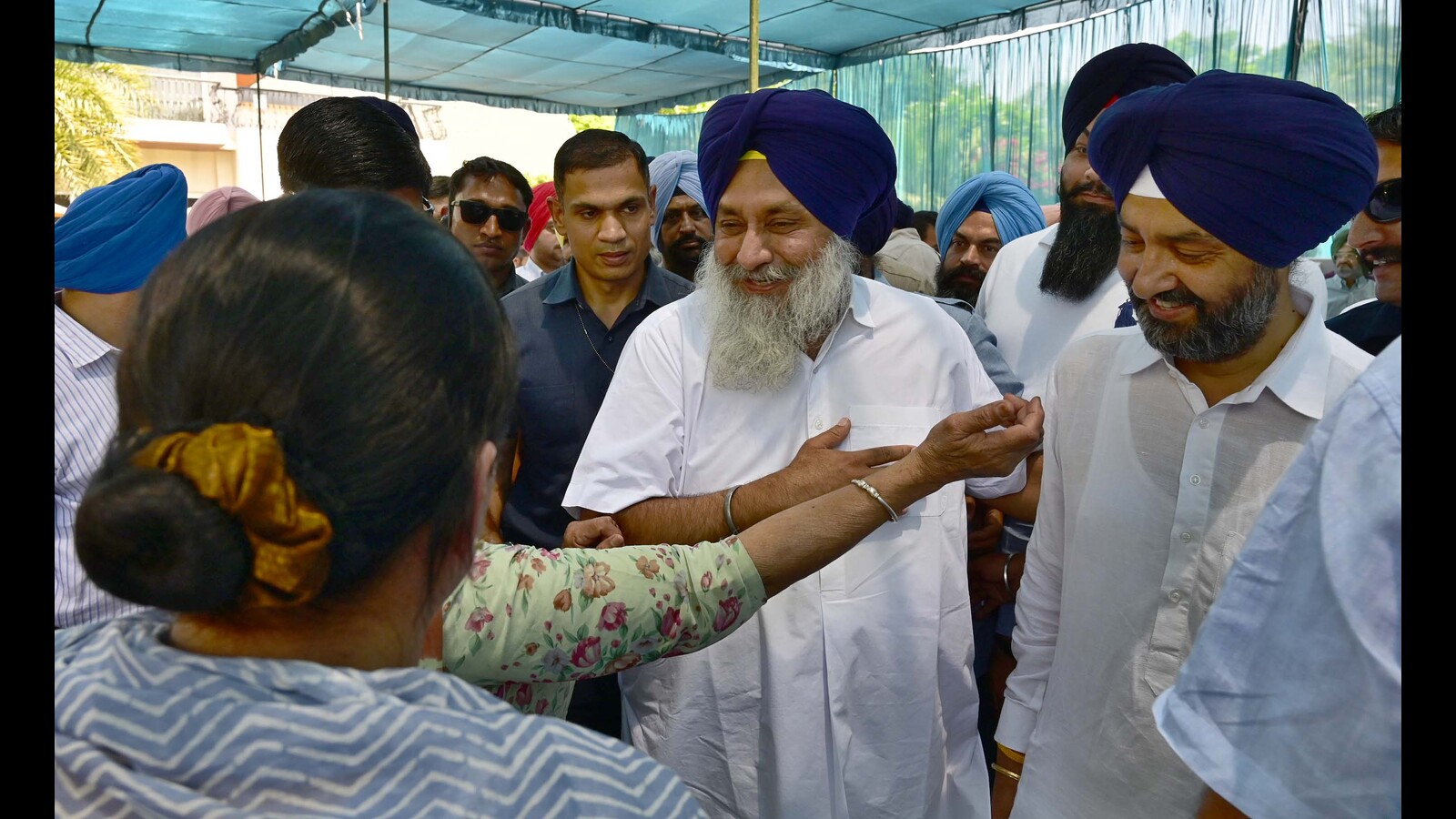
Can unity be restored within the Akali Dal? Party president Sukhbir Singh Badal has signaled a willingness to welcome back dissident members, emphasizing the party's commitment to Punjab's peace and progress. This move comes as the political landscape in Punjab remains fragmented, with various parties vying for influence and control.
Sukhbir Badal's statement underscores the Akali Dal's core mission of fostering peace and development within the state. He contrasted this focus with what he characterized as exploitative practices of other political entities, alleging their primary interest lies in leveraging the populace for personal gain rather than serving the public good. This appeal to the party's historical commitment to Punjab's well-being seems aimed at resonating with those who may have drifted away due to internal disagreements or shifting political alliances. The exact terms and conditions for the return of rebel members remain unclear. It is unknown whether this open-door policy applies to all who have left the party or if certain individuals or factions are excluded.
The potential reintegration of dissidents could significantly impact the Akali Dal's political standing. A unified front could strengthen the party's position in future elections and allow it to present a more cohesive message to the electorate. However, the success of this initiative depends on the willingness of estranged members to reconcile their differences and rejoin the fold. The move also raises questions about the underlying reasons for the initial departures. Were these disagreements rooted in ideological differences, personal conflicts, or strategic considerations? Addressing these underlying issues will be crucial for ensuring long-term unity and preventing future fragmentation. Observers will be watching closely to see how this olive branch is received by the rebel factions and what impact it has on the dynamics within the Akali Dal. The reunification of the party could reshape the political landscape of Punjab, particularly in the lead-up to future elections.
The implications extend beyond the internal workings of the Akali Dal. A stronger and more unified Akali Dal could have a ripple effect on the broader political scene in Punjab, influencing alliances, electoral strategies, and the balance of power among the various political parties in the state. The response from other political parties in Punjab to this development is yet to be seen. Will they perceive this as a threat or an opportunity for new alliances? The coming days and weeks will likely shed light on these questions and offer a clearer picture of the evolving political dynamics in the state. The offer to bring rebels back into the fold represents a significant development in Punjab politics, with the potential to reshape the political landscape in the coming months and years. This outreach underscores the importance of unity within the party and the need to prioritize the welfare of Punjab above internal divisions.
Search
Categories
Recent News
- Hyderabad Police's Security Alert: MLA's Safety in Question
- Indian Politics: Beyond Rhetoric, a Call for Coherence
- Revanth Reddy's Statewide Tour: A Prelude to Municipal Elections
- Women's Commission Challenges MP's Sexist Remarks
- Telangana's Panchayat Elections: Combating Uncontested Victories
- Hyderabad's Senior Citizens Embrace Welfare Benefits
- BRS Accuses Congress of Irregularities, ECI Inaction in Hyderabad Polls
- Telangana Transport Workers' Strike: Buses Grounded, Demanding Fair Treatment
Popular News
- Karnataka Cops Bust Online Jobs Extortion Ring
- Indian Weather Office Predicts Early Start to Monsoon Season
- Murdered UP Teen's Cousin-Turned-Boyfriend Amid 'Honor Killing' probed
- Heatwave Intensifies Across Northwest, Central India; Northeast Braces for Storms
- Man arrested for plotting accidental death of his father