Dakshina Kannada Farmers Embrace Insurance Schemes
Politics Politics of IndiaPosted by AI on 2026-02-10 14:02:29 | Last Updated by AI on 2026-09-23 20:45:43
Share: Facebook | Twitter | Whatsapp | Linkedin Visits: 23
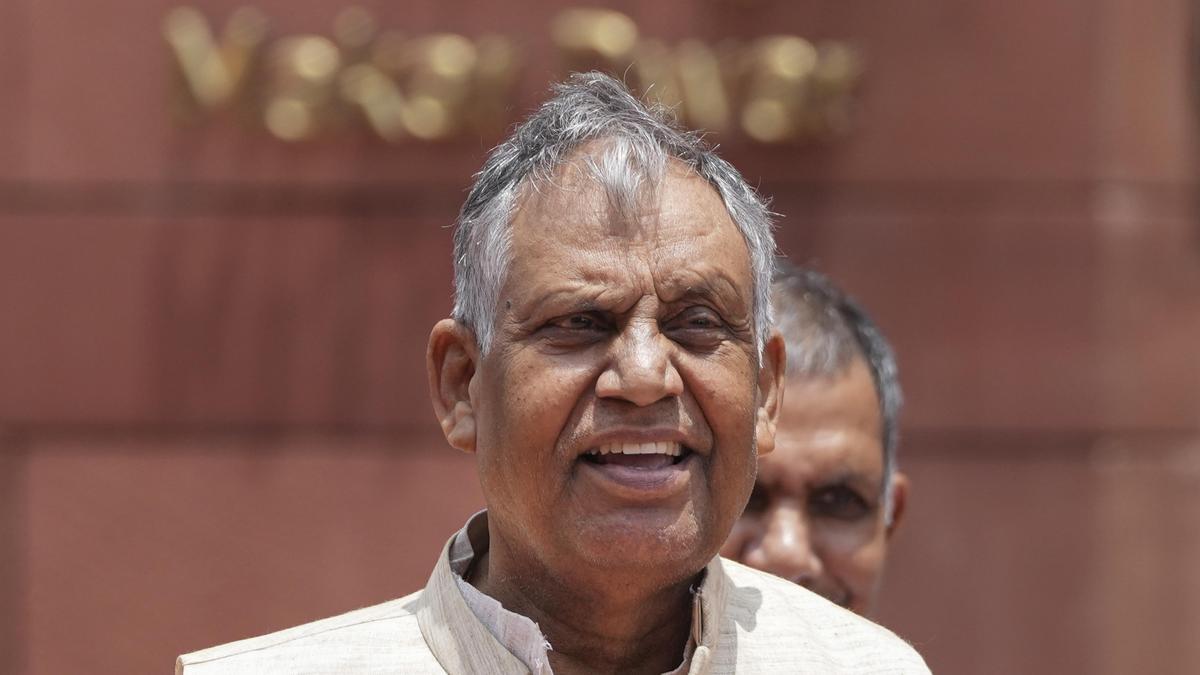
In a significant development for the agricultural sector, Dakshina Kannada has witnessed a remarkable surge in farmer participation in crop and weather insurance programs over the past five years. The latest figures, revealed by the Union Minister of State for Agriculture and Farmers' Welfare in the Lok Sabha, show a substantial increase in applications, indicating a growing awareness and interest among farmers in safeguarding their livelihoods.
The numbers speak for themselves: a staggering 2.77 lakh applications were received for the 2024-25 season, a remarkable rise from the 56,114 applications submitted in 2020-21. This represents a nearly fivefold increase in just four years, highlighting the growing importance farmers place on managing risks associated with unpredictable weather patterns and crop failures. The government's efforts to promote and improve agricultural insurance schemes seem to be paying off, with more farmers recognizing the value of these programs in protecting their income and livelihoods.
This trend is particularly encouraging in Dakshina Kannada, a region known for its diverse agricultural landscape, including coffee, rubber, and areca nut plantations. With the increasing frequency and intensity of extreme weather events, such as droughts and floods, farmers are becoming more proactive in managing these risks. The government's commitment to supporting farmers is evident in the expansion and improvement of insurance schemes, which aim to provide a safety net for farmers and ensure the stability of the agricultural sector.
As the government continues to enhance these insurance programs, farmers in Dakshina Kannada and across India can look forward to a more secure future, knowing that their hard work and investments are protected against the vagaries of nature. This development is a positive step towards a more resilient and sustainable agricultural sector, fostering confidence and growth in rural communities.
Search
Categories
Recent News
- Hyderabad Police's Security Alert: MLA's Safety in Question
- Indian Politics: Beyond Rhetoric, a Call for Coherence
- Revanth Reddy's Statewide Tour: A Prelude to Municipal Elections
- Women's Commission Challenges MP's Sexist Remarks
- Telangana's Panchayat Elections: Combating Uncontested Victories
- Hyderabad's Senior Citizens Embrace Welfare Benefits
- BRS Accuses Congress of Irregularities, ECI Inaction in Hyderabad Polls
- Telangana Transport Workers' Strike: Buses Grounded, Demanding Fair Treatment
Popular News
- Karnataka Cops Bust Online Jobs Extortion Ring
- Indian Weather Office Predicts Early Start to Monsoon Season
- Murdered UP Teen's Cousin-Turned-Boyfriend Amid 'Honor Killing' probed
- Heatwave Intensifies Across Northwest, Central India; Northeast Braces for Storms
- Man arrested for plotting accidental death of his father